
Sécurité - 6 décembre 2025
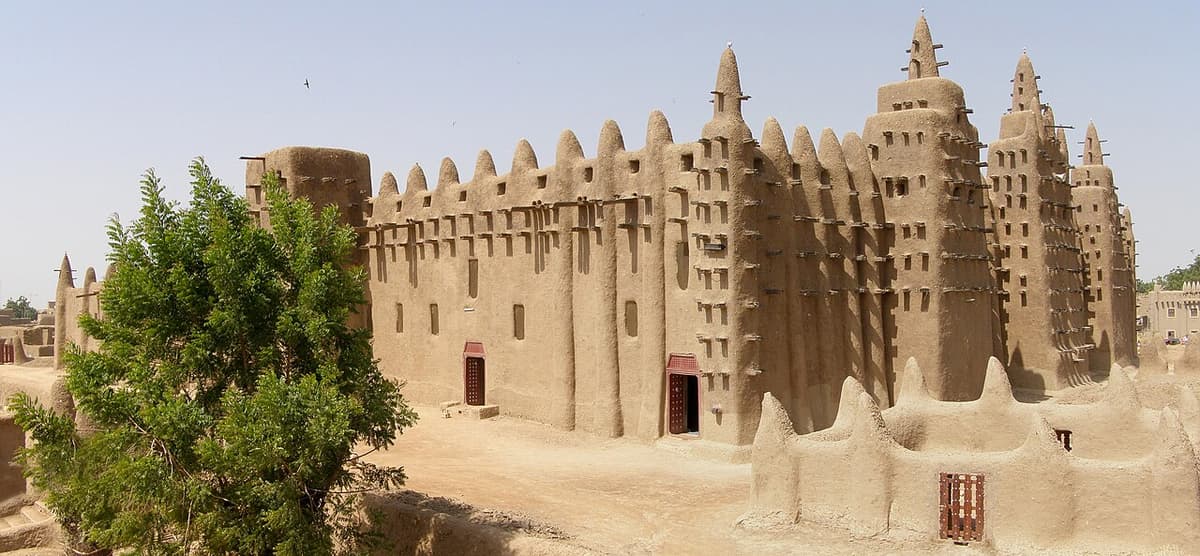
JNIM Ambush on Pro-Government Militias in Djenné
Bamako, le 6 décembre 2025 - Djenné, Mopti Region, December 7, 2025 - On Sunday, December 7, JNIM announced via Al-Zalaqa that it had carried out an ambush against Malian pro-government militias near the village of Djini, on Friday, December 5.
The statement reported five militia members killed and the seizure of several automatic weapons and ammunition, highlighting the persistent threat posed by JNIM to local security forces in central Mali.
The period from November 24 to December 7, 2025, presents a stark duality in Mali’s trajectory, characterized by significant diplomatic and macroeconomic strides contrasted against a deteriorating security and human rights landscape.
Diplomatic and Economic Fortification The transitional government has successfully reinforced its international standing and regional integration. The Confederation of Sahel States (AES/CSA) is rapidly operationalizing, with intense preparations for the upcoming College of Heads of State session in Bamako. Simultaneously, Mali is diversifying its strategic partnerships, strengthening ties with Iran, Moldova, and the Philippines. Economically, the government received strong validation from the IMF and WAEMU for its fiscal discipline and a projected growth rate of 6.1%. The launch of the first National Export Day further signals a push toward economic autonomy and industrialization.
The Security Paradox and Energy Crisis Despite these institutional successes, the security situation remains precarious. While the Malian Armed Forces (FAMa) continue to destroy terrorist bases and acquire new assets, insurgent groups like JNIM have intensified their blockade strategies. The encirclement of Bamako and the resumption of attacks on fuel convoys have triggered a severe hydrocarbon crisis, directly impacting the daily lives of citizens and threatening economic stability. The collapse of the temporary fuel agreement with JNIM highlights the fragility of the country's supply lines.
Human Rights and Social Strain The cost of the conflict on the civilian population is escalating. Human rights organizations and opposition panels have documented alarming allegations of "ethnic cleansing," summary executions, and scorched-earth tactics in the Timbuktu and Azawad regions attributed to FAMa and the Africa Corps. Concurrently, the civic space is shrinking, evidenced by the suspension of radio stations and the arrest of journalists, signaling a tightening grip on freedom of expression.
Final Outlook As Mali prepares to host the AES Heads of State summit in late December, the government faces the critical challenge of reconciling its diplomatic ambitions with urgent domestic realities. The coming weeks will be pivotal in determining whether the state can leverage its regional alliances to secure its territory and energy supply, or if the worsening humanitarian and security crises will undermine the macroeconomic and political gains achieved thus far.
À lire aussi
Sécurité - 31 août 2026
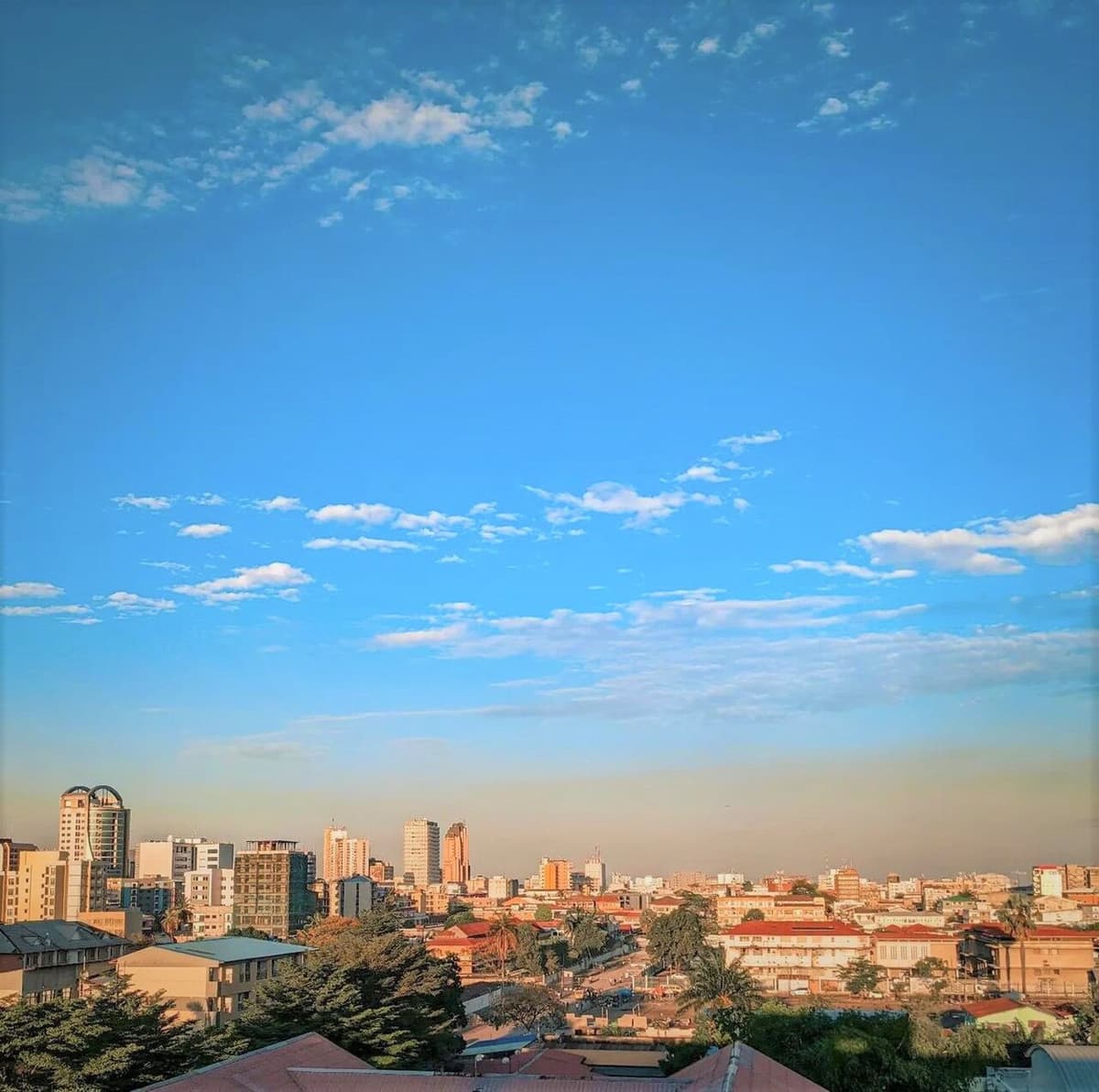
RDC et Congo-Brazzaville s'efforcent de désamorcer le conflit frontalier sur le fleuve Congo
Kinshasa, le 31 août 2026 - La RDC et le Congo-Brazzaville ont agi pour contenir les tensions après un affrontement mortel du 28 août entre les troupes des FARDC et les forces du Congo-Brazzaville sur le fleuve Congo…
Par Amina Kabasele - 3 min de lecture
Sécurité - 31 août 2026
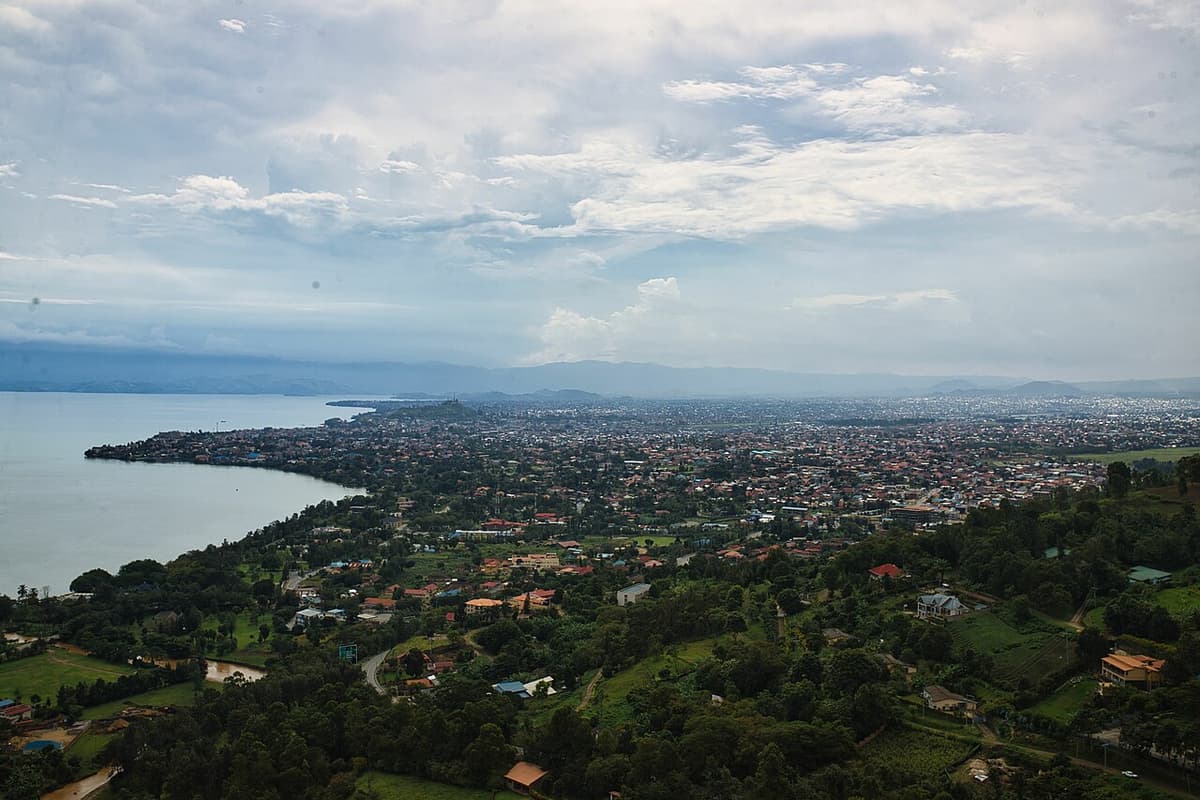
Des villages de Walikale vidés alors que les combats se propagent dans l'est de la RDC
Goma, le 31 août 2026 - Plusieurs villages du groupement Waloa Loanda de Walikale ont été vidés alors que les combats entre l'armée et les forces AFC/M23 se sont étendus des zones voisines de Masisi et Kalehe…
Par Amina Kabasele - 3 min de lecture
Sécurité - 31 août 2026
Le gouvernement affirme que l'armée bloque l'expansion de l'AFC/M23 au Kivu
Kinshasa, le 31 août 2026 - Le gouvernement a déclaré que les FARDC faisaient systématiquement échouer les tentatives de l'AFC/M23 d'occuper de nouveaux territoires dans les Kivus, alors que les combats se poursuivaient…
Par Amina Kabasele - 3 min de lecture