
Sécurité - 30 octobre 2025
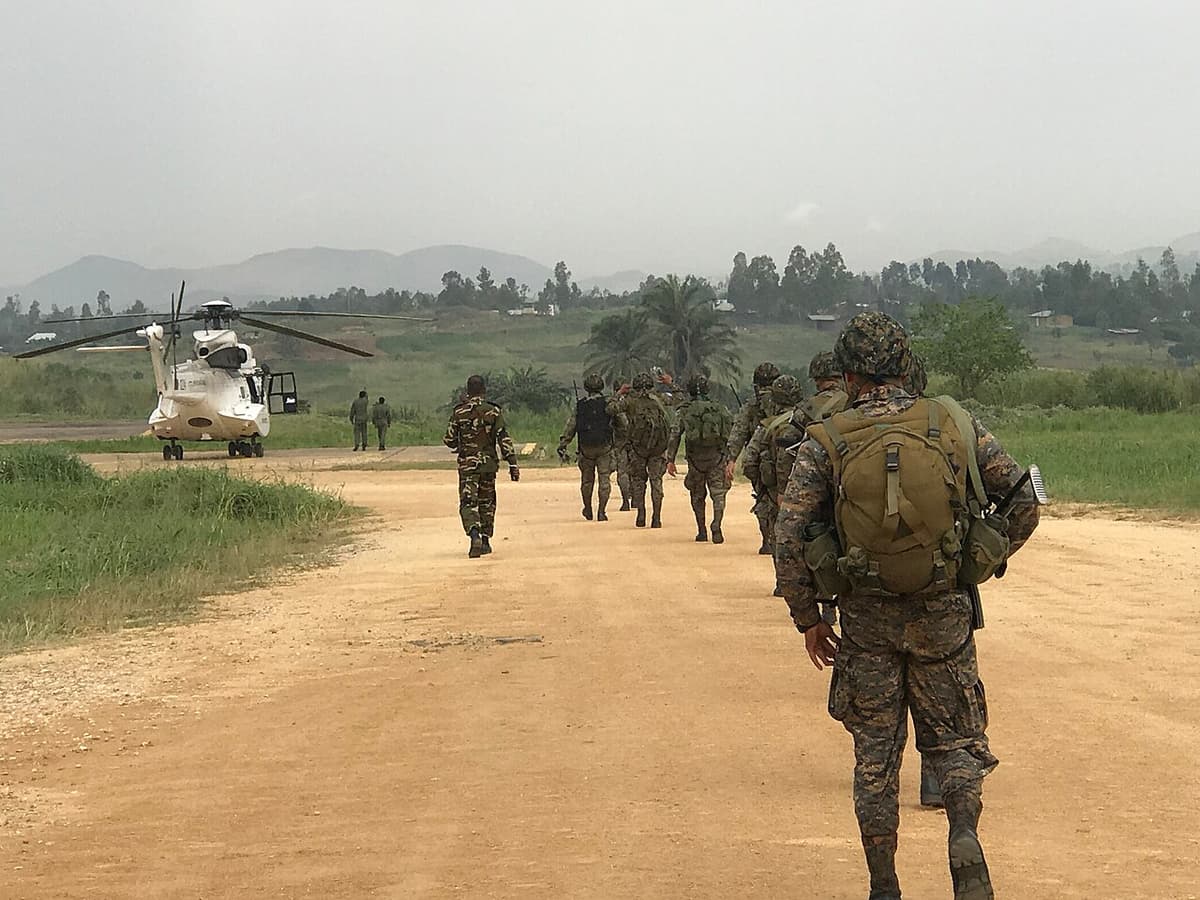
Ituri : Les FARDC saisissent un arsenal d'armes de la milice CRP à Djugu
Kinshasa, le 30 octobre 2025 - RDC - Les Forces Armées de la République Démocratique du Congo (FARDC) ont récupéré un important arsenal d'armes et de munitions de la milice Convention pour la Révolution Populaire (CRP), dirigée par Thomas Lubanga, à Djugu mercredi 29 octobre.
L'arsenal saisi comprenait huit fusils d'assaut AK-47, deux fusils AK-56, une mitraillette Uzi et des munitions variées, apparemment cachées par la milice après sa défaite lors des opérations militaires de dimanche dernier.
Le porte-parole de l'armée, le lieutenant Jules Ngongo, a déclaré que ces opérations font partie des efforts continus pour pacifier la région et rétablir l'autorité de l'État. Le gouverneur militaire, le lieutenant-général Johnny Luboya N’kashama, a salué le professionnalisme des FARDC et a réitéré que les opérations se poursuivraient pour éliminer toutes les formes de violence dans cette partie de l'Ituri.
Conclusion générale : Rapport RDC, 20-31 octobre 2025
La période du 20 au 31 octobre 2025 pour la République Démocratique du Congo (RDC) a été caractérisée par un équilibre délicat entre un engagement diplomatique et économique intensifié et des crises de sécurité et humanitaires persistantes et graves, en particulier dans les provinces de l'est.
Sur les fronts politique et diplomatique, la RDC a réalisé des avancées notables dans ses relations régionales et internationales :
Paix RDC-Rwanda : Les États-Unis ont salué des progrès significatifs dans la mise en œuvre de l'accord de paix, suite à la troisième session du Mécanisme de Coordination de la Sécurité Conjointe (JSCM) à Washington, qui a porté sur la neutralisation des FDLR et la levée des mesures défensives du Rwanda.
Direction de l'Assemblée Nationale : L'Union Sacrée au pouvoir, sous l'autorité du président Félix Tshisekedi, a désigné Aimé Boji Sangara comme son candidat unique à la présidence de l'Assemblée Nationale, visant à consolider l'unité politique.
Diplomatie internationale : Le président Tshisekedi a engagé une diplomatie de haut niveau à Paris, appelant à une action mondiale pour mettre fin à la "tragédie prolongée" dans la région des Grands Lacs et obtenant un engagement de 1,5 milliard d'euros pour la paix et l'aide humanitaire. Il a également renforcé la coopération bilatérale avec l'Égypte dans les secteurs militaire, économique et diplomatique.
Les efforts se sont concentrés sur la réforme économique interne et le commerce extérieur :
Monnaie et prix : Le gouvernement a tenu une réunion pour évaluer l'appréciation du franc congolais (CDF), visant à traduire les gains monétaires en baisse des prix sur le marché et lançant une campagne nationale pour lutter contre la spéculation sur les prix.
Réforme du secteur pétrolier : La RDC et le FMI ont conclu un accord pour résoudre les déficits de revenus dans le secteur pétrolier dans le cadre d'un programme de réforme plus large visant à améliorer la transparence budgétaire.
Liens économiques régionaux : Le 3ème Forum Économique RDC-Angola était prévu pour février 2026 afin de renforcer le commerce bilatéral et la coopération. La construction d'un pont de 600 mètres reliant Zongo à Bangui (RCA) a été mise en avant comme un projet d'infrastructure clé pour l'intégration régionale.
Malgré les efforts diplomatiques, la situation sécuritaire reste très volatile, entraînant une crise humanitaire catastrophique :
Violence croissante : Des affrontements intenses entre les FARDC/Wazalendo et les rebelles de l'AFC/M23 ont été signalés au Nord-Kivu (Masisi, Walikale) et au Sud-Kivu (Nyangezi), provoquant des déplacements massifs et les États-Unis ont mis en garde contre les violations du cessez-le-feu. Le gouvernement de la RDC et l'AFC/M23 ont continué à échanger des accusations sur les violations de trêve.
Attaques ADF : Des attaques attribuées aux rebelles ADF se sont poursuivies en Ituri (Kamagolo) et au Nord-Kivu (Lubero), entraînant des décès civils, des enlèvements et des déplacements massifs.
Échelle humanitaire : Le secrétaire général de l'ONU, Guterres, a décrit la situation comme l'une des plus graves au monde, notant que plus de 21 millions de personnes ont besoin d'aide, 5,7 millions sont déplacées et 32 000 enfants restent dans des groupes armés.
Crises sanitaires : Le pays a connu l'une de ses pires épidémies de choléra depuis une décennie, avec plus de 1 700 décès et 58 000 cas suspects enregistrés depuis janvier 2025. Le Premier ministre a également déclaré que la lutte contre les cancers féminins était un "impératif national".
En résumé, la fin octobre 2025 a démontré la volonté déterminée de la RDC de trouver une solution politique à ses conflits et d'atteindre la stabilité économique, notamment à travers le JSCM et la gestion monétaire. Cependant, ces avancées positives sont continuellement sapées par l'insécurité rampante, les affrontements inter-milices et les urgences humanitaires et de santé publique massives dans l'est.
À lire aussi
Sécurité - 31 août 2026
RDC et Congo-Brazzaville s'efforcent de désamorcer le conflit frontalier sur le fleuve Congo
Kinshasa, le 31 août 2026 - La RDC et le Congo-Brazzaville ont agi pour contenir les tensions après un affrontement mortel du 28 août entre les troupes des FARDC et les forces du Congo-Brazzaville sur le fleuve Congo…
Par Amina Kabasele - 3 min de lecture
Sécurité - 31 août 2026
Des villages de Walikale vidés alors que les combats se propagent dans l'est de la RDC
Goma, le 31 août 2026 - Plusieurs villages du groupement Waloa Loanda de Walikale ont été vidés alors que les combats entre l'armée et les forces AFC/M23 se sont étendus des zones voisines de Masisi et Kalehe…
Par Amina Kabasele - 3 min de lecture
Sécurité - 31 août 2026
Le gouvernement affirme que l'armée bloque l'expansion de l'AFC/M23 au Kivu
Kinshasa, le 31 août 2026 - Le gouvernement a déclaré que les FARDC faisaient systématiquement échouer les tentatives de l'AFC/M23 d'occuper de nouveaux territoires dans les Kivus, alors que les combats se poursuivaient…
Par Amina Kabasele - 3 min de lecture