
Sécurité - 11 juillet 2026
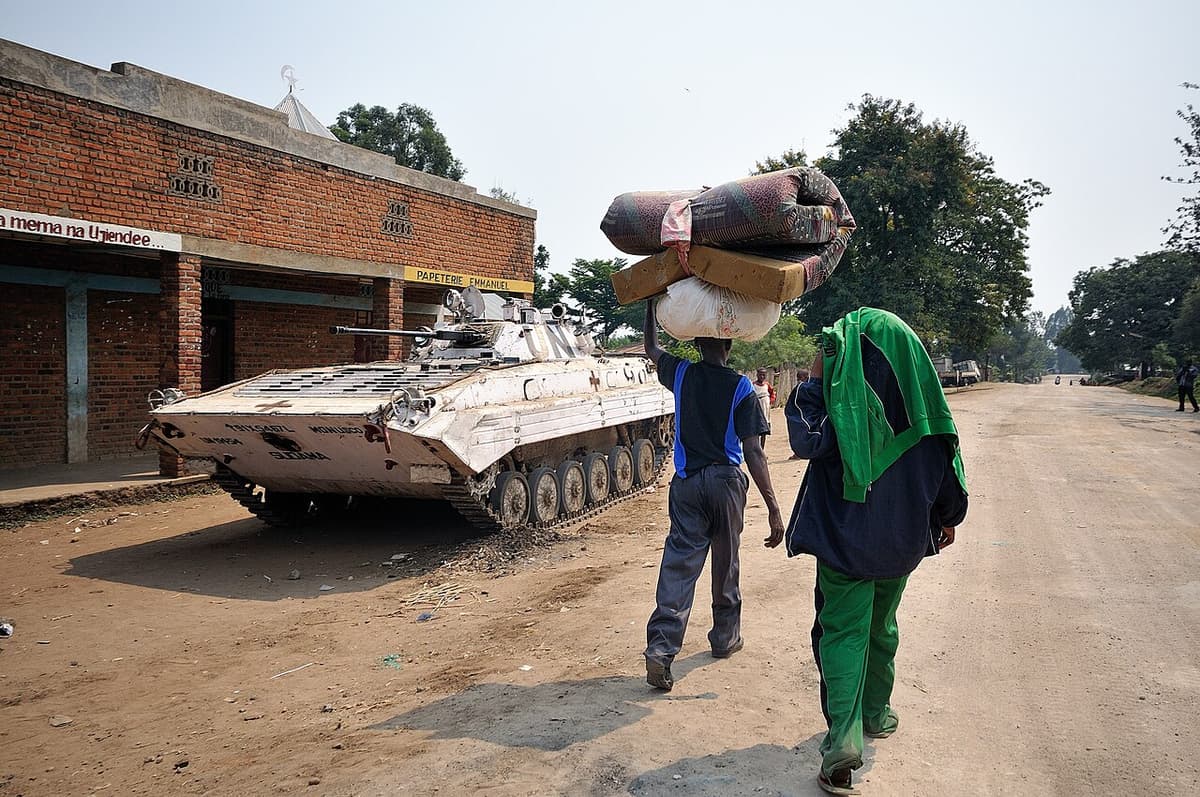
Les rivalités internes et les luttes de pouvoir révèlent de profondes divisions au sein de l’AFC/M23
Kinshasa, le 11 juillet 2026 - Les tensions internes autour des ambitions politiques, de la stratégie militaire et du contrôle des ressources divisent de plus en plus l'Alliance du fleuve Congo/Mouvement du 23 mars (AFC/M23), selon des conclusions mettant en évidence des désaccords croissants au sein du groupe armé opérant dans l'est de la République démocratique du Congo.
La structure dirigeante de l’AFC/M23 reste marquée par un équilibre fragile entre ses ailes politique et militaire. Le commandement militaire du mouvement continue d’être attribué au général Sultani Makenga, même si son influence aurait été confrontée à des défis croissants de la part de l’organisation et d’acteurs externes. Le leadership politique reste associé à Bertrand Bisimwa et à Corneille Nangaa, l'ancien président de la Commission électorale nationale indépendante (CENI).
Les dirigeants du groupe ont continué de bénéficier du soutien et des conseils des autorités rwandaises et des structures de renseignement, selon les conclusions. Cependant, au-delà du soutien extérieur, les divisions internes sont devenues plus visibles, notamment sur les objectifs du mouvement et son orientation future.
Les ambitions politiques semblent être l’une des principales sources de désaccord. Des personnalités telles que Corneille Nangaa et l’ancien président congolais Joseph Kabila auraient exprimé des ambitions liées à l’influence sur le pouvoir national à Kinshasa, tandis que plusieurs hauts commandants du M23 se sont opposés à l’expansion des opérations militaires au-delà du Nord et du Sud-Kivu.
Les différends sur la gestion et la répartition des ressources ont également alimenté les tensions entre les hauts responsables. Certains membres du mouvement auraient fait part de leurs inquiétudes quant au traitement préférentiel dont bénéficieraient certains officiers et combattants tutsis, ajoutant ainsi une autre couche de friction au sein de l’organisation.
Militairement, les territoires de l'AFC/M23 sous son contrôle auraient été réorganisés en trois zones de défense principales. La première zone, couvrant les territoires de Nyiragongo, Rutshuru et Lubero, est dirigée par le général Baudoin Ngaruye. La deuxième zone, couvrant Masisi et Walikale, est commandée par le général de brigade Justin Gacheri Musanga, tandis que le général Innocent Byamungu supervise les opérations au Sud-Kivu.
Les forces armées du mouvement sont estimées à environ 30 000 combattants. Cette force comprendrait d'anciens membres du Congrès national pour la défense du peuple (CNDP), des combattants du mouvement originel M23, de nouvelles recrues mobilisées depuis 2021 et des individus issus des communautés de la diaspora et des camps de réfugiés au Rwanda.
Les rangs se seraient également élargis grâce à l'intégration d'anciens membres de l'armée congolaise (FARDC), de la Police nationale congolaise, des combattants de Wazalendo, des groupes de défense locaux et des unités de police nouvellement créées, à la suite de l'évolution du champ de bataille et de la capture de zones stratégiques dans l'est de la RDC.
Ces développements surviennent alors que les efforts diplomatiques visant à rétablir la paix dans l’est du Congo continuent de se heurter à des obstacles majeurs. Malgré la signature de l'Accord de Washington et plusieurs discussions de suivi, l'insécurité et les défis humanitaires restent graves, tandis que les désaccords entre Kinshasa et Kigali continuent de compliquer la mise en œuvre des engagements.
Le processus de paix de Doha, facilité par le Qatar, a également eu du mal à réaliser une avancée décisive. Plusieurs cycles de négociations entre le gouvernement congolais et l'AFC/M23 n'ont pas réussi à résoudre des désaccords majeurs, tandis que d'autres efforts de médiation, notamment des pourparlers tenus en Suisse, n'ont pas encore produit de progrès significatifs.
Alors que les initiatives diplomatiques ralentissent et que les conditions de sécurité se détériorent, l’avenir de l’est de la RDC reste incertain, les rivalités politiques, la fragmentation militaire et la concurrence pour les ressources stratégiques continuant de façonner le paysage conflictuel.
À lire aussi
Sécurité - 31 août 2026
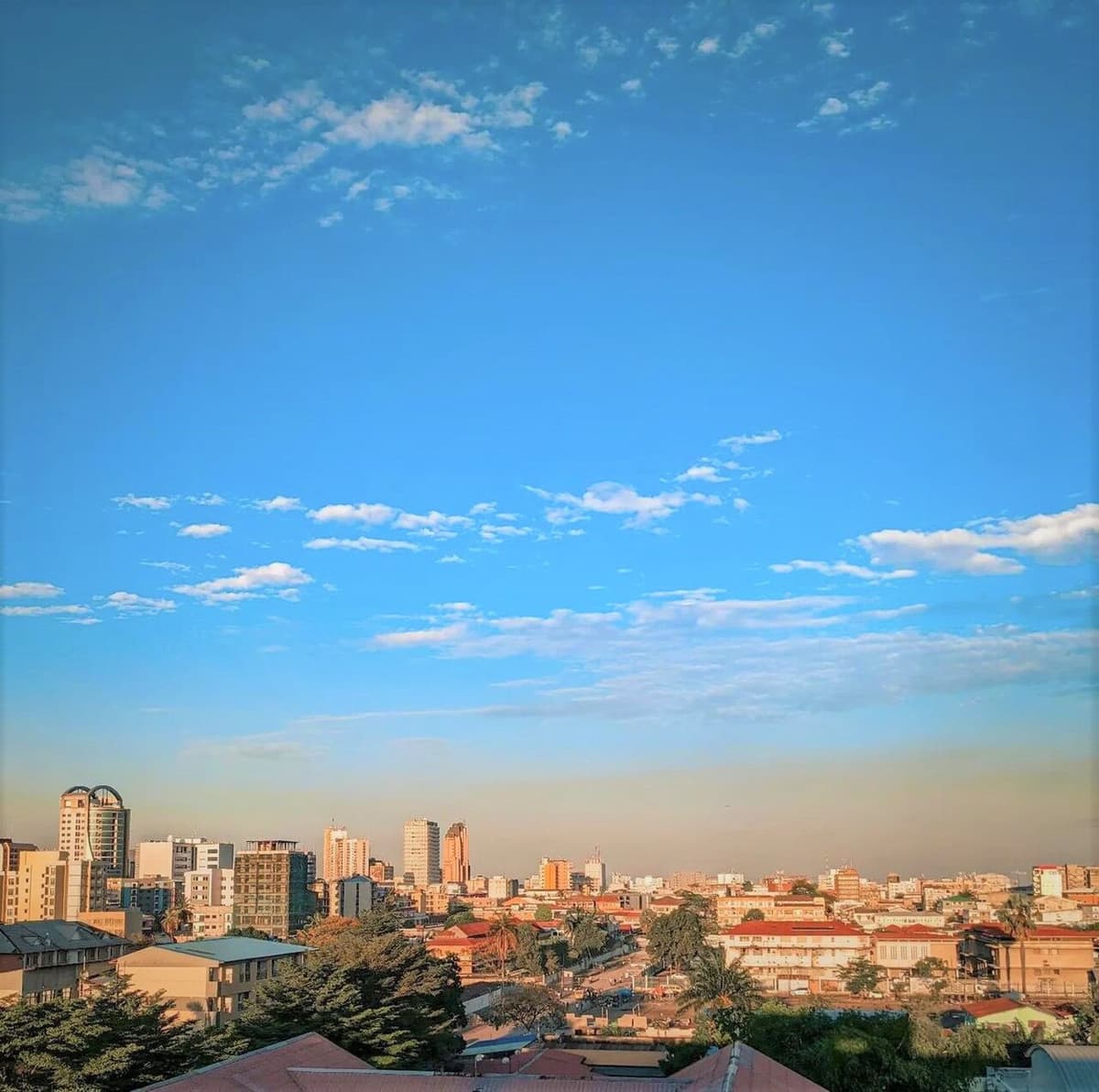
RDC et Congo-Brazzaville s'efforcent de désamorcer le conflit frontalier sur le fleuve Congo
Kinshasa, le 31 août 2026 - La RDC et le Congo-Brazzaville ont agi pour contenir les tensions après un affrontement mortel du 28 août entre les troupes des FARDC et les forces du Congo-Brazzaville sur le fleuve Congo…
Par Amina Kabasele - 3 min de lecture
Sécurité - 31 août 2026
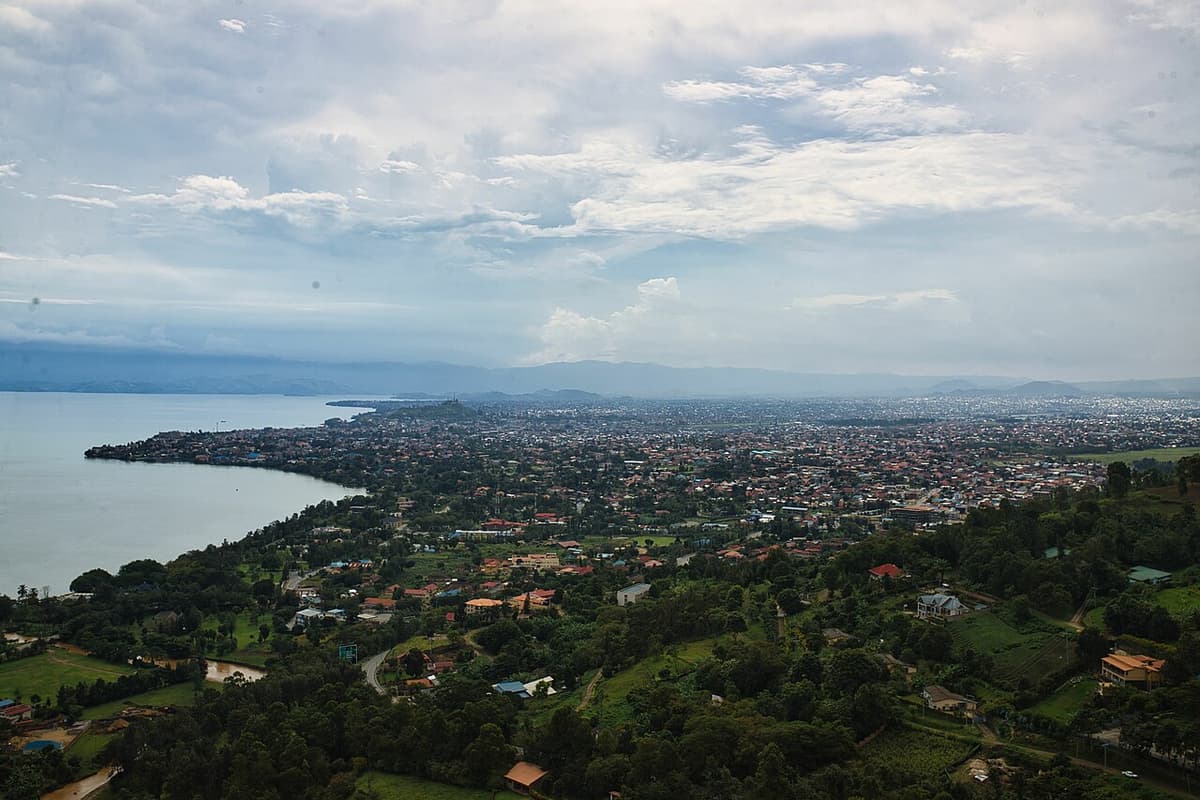
Des villages de Walikale vidés alors que les combats se propagent dans l'est de la RDC
Goma, le 31 août 2026 - Plusieurs villages du groupement Waloa Loanda de Walikale ont été vidés alors que les combats entre l'armée et les forces AFC/M23 se sont étendus des zones voisines de Masisi et Kalehe…
Par Amina Kabasele - 3 min de lecture
Sécurité - 31 août 2026
Le gouvernement affirme que l'armée bloque l'expansion de l'AFC/M23 au Kivu
Kinshasa, le 31 août 2026 - Le gouvernement a déclaré que les FARDC faisaient systématiquement échouer les tentatives de l'AFC/M23 d'occuper de nouveaux territoires dans les Kivus, alors que les combats se poursuivaient…
Par Amina Kabasele - 3 min de lecture