
Justice - 23 février 2026
Le FMI met en garde contre la hausse de la masse salariale publique, qui constitue un risque budgétaire majeur en RDC
Kinshasa, le 15 février 2026 - Le Fonds monétaire international (FMI) a identifié la masse salariale du secteur public comme un risque budgétaire majeur pour la République démocratique du Congo dans le cadre du programme de facilité élargie de crédit (FEC).
Selon la deuxième revue du FMI, l’augmentation rapide des salaires dans les secteurs de l’éducation, de la santé et de la justice met à rude épreuve l’exécution du budget et réduit l’espace budgétaire disponible, en particulier dans un contexte déjà grevé par les dépenses de sécurité.
Le rapport souligne que la croissance de la masse salariale découle des ajustements salariaux, des recrutements, de la régularisation administrative et de la poursuite des engagements précédemment pris par les autorités. Cette augmentation a exercé une pression sur les dépenses courantes en 2024-2025, dépassant les niveaux initialement projetés.
Le FMI prévient que la masse salariale publique consomme une part croissante des ressources budgétaires, limitant la capacité du gouvernement à financer les investissements publics et les dépenses sociales, qui sont des priorités dans le cadre du programme. L’augmentation des dépenses de sécurité exacerbe encore cette tension budgétaire.
Pour 2025 et 2026, le FMI note que le creusement du déficit s'explique en partie par l'augmentation des rémunérations dans les secteurs sociaux et judiciaires. Le fonds souligne que cette tendance, associée à une mobilisation limitée des recettes, accroît le risque de réduction de la flexibilité macrobudgétaire.
Le FMI appelle les autorités congolaises à :
Contenir la croissance de la masse salariale du secteur public.
Élaborer et mettre en œuvre une politique salariale cohérente.
Renforcer le contrôle sur la taille de la fonction publique.
Intégrer ces mesures dans des réformes plus larges de la gestion des finances publiques.
Même si le FMI n’a pas fourni de calendrier ni d’instruments spécifiques pour ces réformes, il a souligné que le contrôle de la masse salariale est essentiel pour la crédibilité du programme à moyen terme et la poursuite des objectifs de stabilisation et de développement.
Sans mesures correctives, la rigidité des dépenses courantes pourrait réduire encore davantage l’espace budgétaire, compliquant ainsi les efforts visant à maintenir la stabilité macroéconomique et à soutenir la croissance.
À lire aussi

Justice - 31 août 2026
Des agents de police arrêtés suite à une interpellation liée à une tenue à Rubavu
Kigali, le 31 août 2026 - La Police nationale du Rwanda a arrêté deux agents après qu'une vidéo les a montrés en train d'arrêter une jeune femme à la gare routière de Rubavu en raison de la longueur de sa robe, un cas…
Par Amina Kabasele - 2 min de lecture
Justice - 31 août 2026
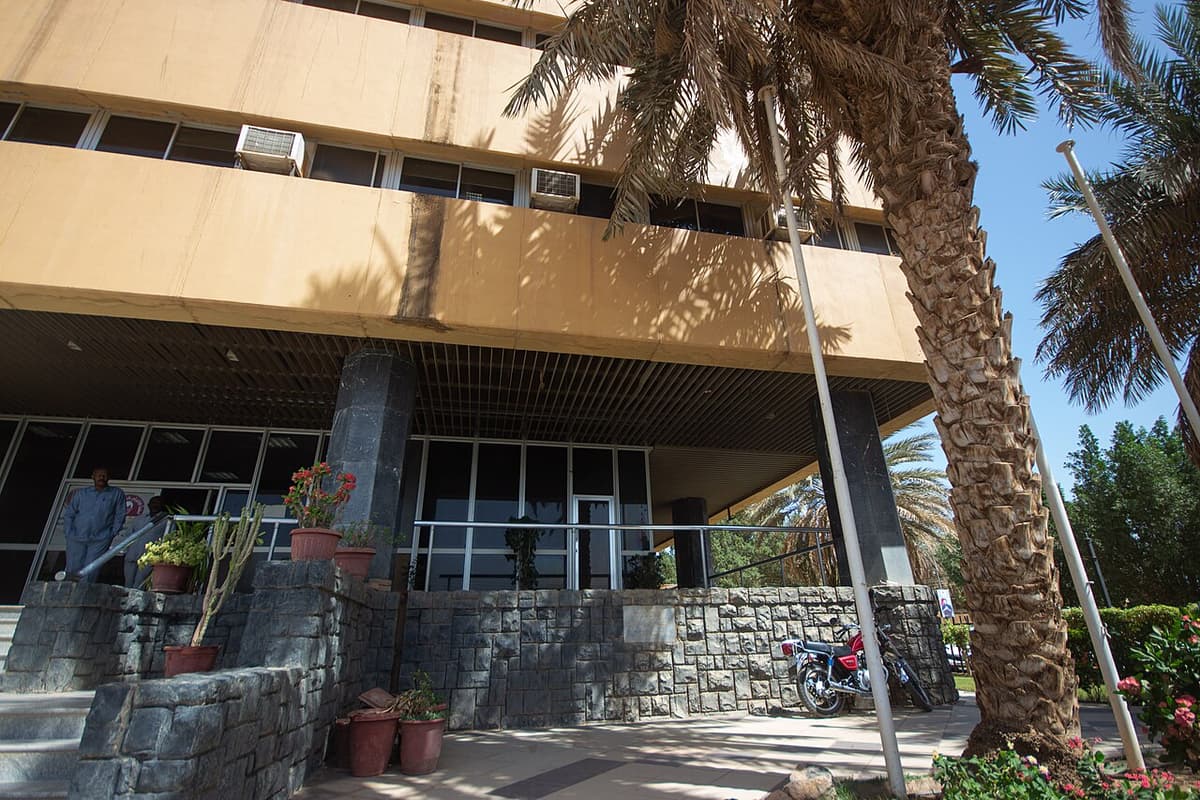
L'Intelligence militaire arrête le leader du syndicat des médecins lors d'un travail de terrain sur les maladies
Khartoum, le 31 août 2026 - L'Intelligence militaire soudanaise a arrêté le Dr Attiya Abdallah, à la tête du principal syndicat des médecins du pays, dans une affaire qui met en lumière la pression croissante sur les…
Par Amina Kabasele - 2 min de lecture
Justice - 31 août 2026
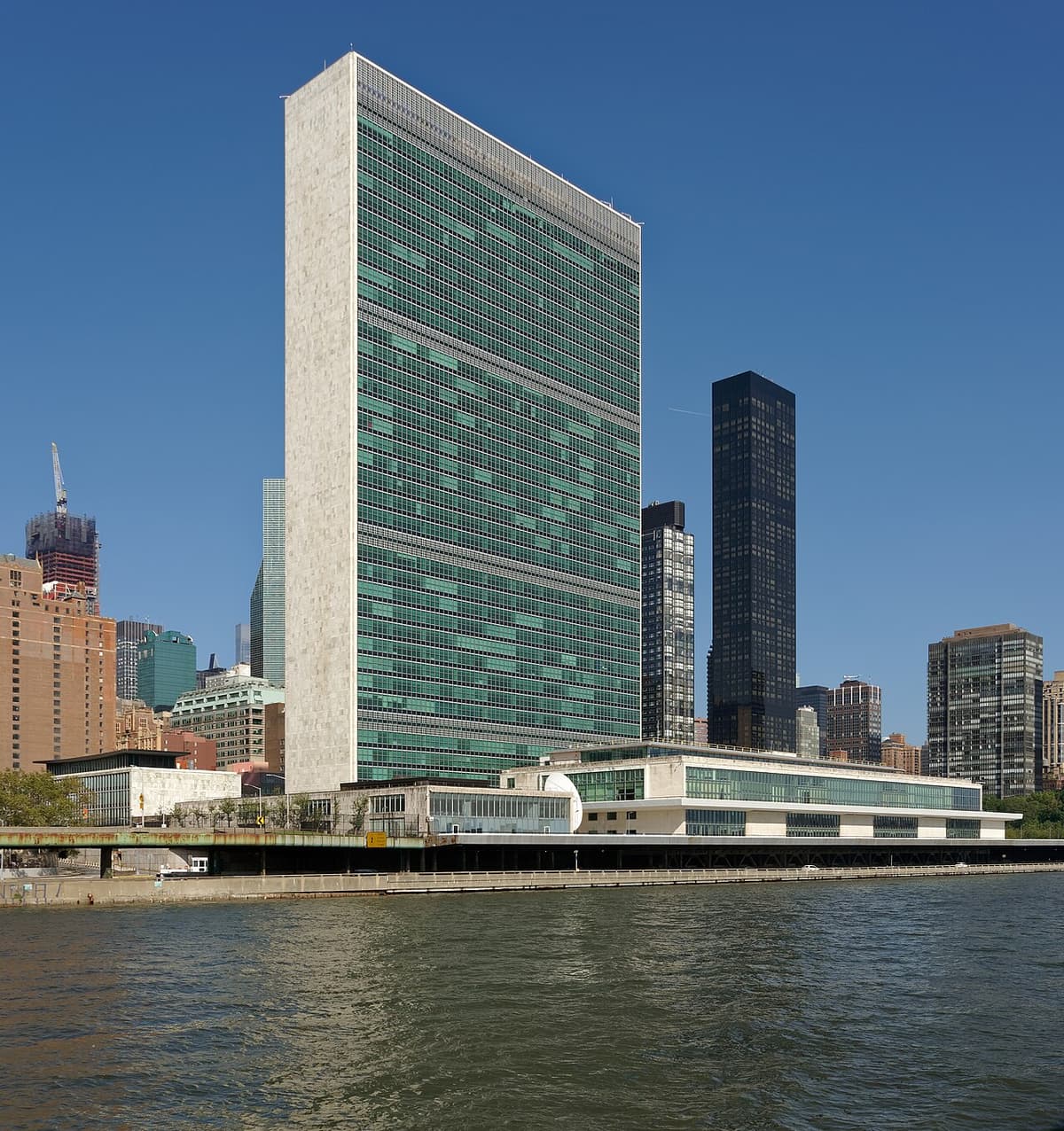
L'ONU exige la libération des travailleurs humanitaires détenus au Soudan
Khartoum, le 31 août 2026 - Les Nations Unies ont appelé à la libération immédiate et inconditionnelle des travailleurs humanitaires détenus par des groupes armés au Soudan, avertissant que les arrestations arbitraires…
Par Amina Kabasele - 2 min de lecture