
Politique - 23 février 2026
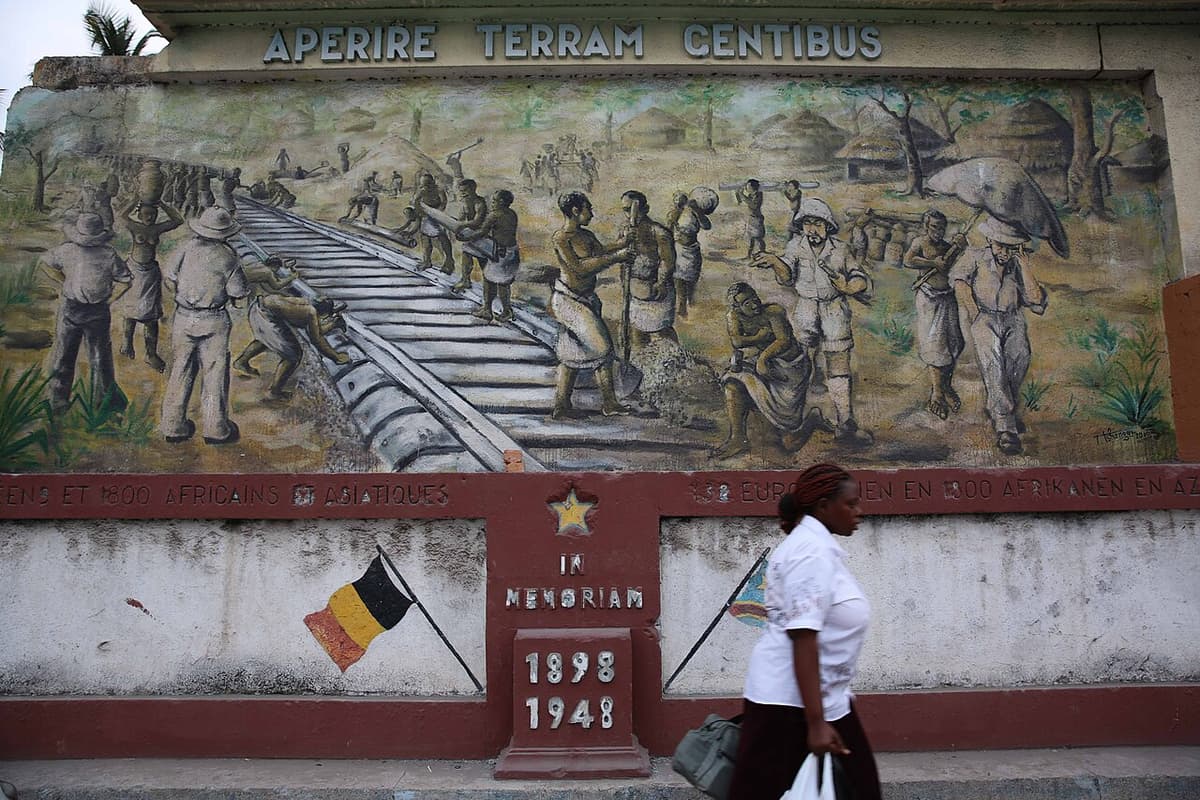
Le FMI annonce que les réformes structurelles en RDC ont été réalisées mais restent fragiles
Kinshasa, le 9 février 2026 - Le Fonds monétaire international (FMI) a présenté un bilan globalement positif des réformes structurelles de la République démocratique du Congo, à l’issue de la deuxième revue du programme soutenu au titre de la Facilité Elargie de Crédit (FEC).
Le rapport note que la majorité des repères structurels ont été respectés dans les délais, sept des huit repères étant atteints à temps et le dernier étant réalisé avec un léger retard. En outre, trois critères permanents ont également été remplis.
Les principales avancées soulignées par le FMI comprennent :
Renforcer la chaîne des dépenses
Décentralisation progressive de l'allocation budgétaire
Mise en œuvre d’instruments pour améliorer la transmission de la politique monétaire
Amélioration des prévisions de revenus du secteur extractif
Cependant, le FMI constate des faiblesses institutionnelles persistantes et des retards législatifs, notamment en ce qui concerne le système standardisé de facturation de la TVA, qui n'a pas été pleinement adopté à la date prévue malgré des progrès significatifs.
Le rapport prévient que même si les décisions administratives et exécutives ont accéléré les réformes, cette dépendance crée une fragilité institutionnelle en l’absence d’un cadre législatif plus solide. Il souligne la nécessité de :
Renforcer durablement la gestion des finances publiques
Limiter les procédures d’urgence
Améliorer le contrôle et la traçabilité des dépenses publiques
Le FMI conclut que les progrès en matière de réformes structurelles sont réels et significatifs, ce qui conforte la crédibilité du programme, mais souligne que les réformes doivent être consolidées institutionnellement pour garantir leur durabilité à long terme.
À lire aussi
Politique - 31 août 2026
Le Président angolais met en garde contre le risque d'un conflit dans l'est de la RDC s'étendant à la région des Grands Lacs
Kinshasa, le 31 août 2026 - Le Président angolais Joao Lourenco a averti que le conflit de longue date dans l'est de la RDC pourrait avoir des répercussions dans la région des Grands Lacs, ajoutant un poids diplomatique…
Par Amina Kabasele - 3 min de lecture
Politique - 31 août 2026
Le Rwanda rejette le cadrage ethnique des remarques du chef militaire ougandais
Kigali, le 31 août 2026 - Le Rwanda a réagi aux remarques sur les réseaux sociaux attribuées au chef des forces de défense de l'Ouganda, le général Muhoozi Kainerugaba, après que la porte-parole du gouvernement, Yolande…
Par Amina Kabasele - 2 min de lecture
Politique - 31 août 2026
L'Union africaine soutient le plan de dialogue soudanais alors que des blocs civils s'y opposent
Khartoum, le 31 août 2026 - L'Union africaine a approuvé une nouvelle initiative de dialogue soudanais destinée à mettre fin à la guerre civile, mais d'importants groupes civils et politiques ont rejeté cette démarche…
Par Amina Kabasele - 2 min de lecture