
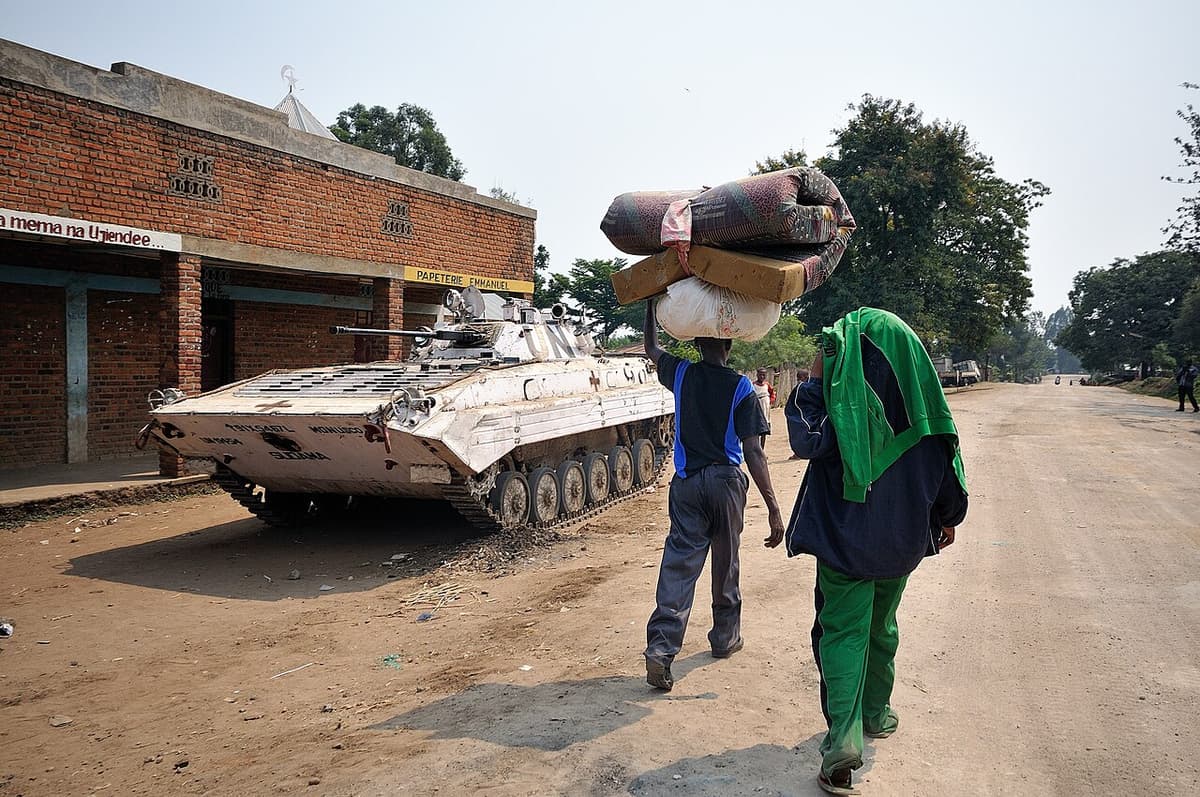
Sécurité - 24 janvier 2026
La "tragédie humaine" et la "désolation" des réfugiés congolais au Burundi et en Tanzanie
Kinshasa, le 24 janvier 2026 - Le Burundi et la Tanzanie, pays voisins de la République Démocratique du Congo (RDC), accueillent des centaines de milliers de réfugiés congolais fuyant les affrontements entre les forces gouvernementales et la rébellion AFC/M23 soutenue par le Rwanda. Ces hostilités ont conduit à la chute d'Uvira et d'autres localités, élargissant l'influence rebelle à travers le Nord-Kivu et le Sud-Kivu dans l'est de la RDC.
En réponse, le gouvernement congolais, dirigé par la ministre d'État aux Affaires sociales et à l'Action humanitaire, Ève Bazaiba Masudi, a mené une mission humanitaire dans les deux pays pour soutenir les réfugiés, fournir une assistance, renforcer la coordination avec les gouvernements hôtes et évaluer les besoins aux côtés de partenaires internationaux.
À l'issue de la mission, la ministre a décrit la situation comme une "tragédie humaine" et une "désolation". S'exprimant lors d'une conférence de presse à Kinshasa le samedi 17 janvier, elle a déclaré :
"C'est une tragédie humaine dévastatrice. Nos compatriotes n'ont pas fui à cause de la pauvreté ou du changement climatique, mais à cause des hostilités et de l'agression menée par les proxies de l'AFC/M23."
Chiffres alarmants
Le Burundi accueille actuellement environ 250 000 réfugiés congolais, répartis sur sept sites.
Le plus grand site, Busuma, abrite 67 000 personnes, dont 30 000 enfants et 2 200 mineurs non accompagnés.
La Tanzanie accueille environ 87 000 réfugiés congolais, dont 50 000 enfants de moins de 18 ans.
Les arrivées récentes comprennent près de 10 000 personnes, et 28 naissances ont été enregistrées le jour de la visite de la délégation congolaise.
Crise humanitaire et manque de financements
La ministre a averti d'une grave pénurie de financements humanitaires internationaux, notant que de nombreux grands donateurs ont réduit ou retiré leur soutien, obligeant les pays hôtes à assumer un fardeau croissant.
Malgré ses propres défis, le gouvernement de la RDC est devenu le principal donateur soutenant ses réfugiés, une étape exceptionnelle en vertu du droit humanitaire international.
"Dans des circonstances normales, le pays d'origine n'intervient pas directement. Mais des circonstances exceptionnelles nécessitent des mesures exceptionnelles," a souligné Ève Bazaiba.
L'aide humanitaire fournie comprenait des denrées alimentaires et des articles non alimentaires, soutenue par un mémorandum d'accord spécial entre le gouvernement congolais, le HCR et le Burundi, permettant une intervention directe.
Appel à la solidarité nationale
Félicitant la résilience et le patriotisme des réfugiés, qui ont exprimé un fort désir de retourner chez eux une fois la paix rétablie, Ève Bazaiba a lancé un appel national à l'action :
"J'appelle à la solidarité nationale de tous les Congolais, au pays et à l'étranger, pour venir en aide à nos compatriotes en détresse. Soyons de véritables soldats de l'armée numérique et de la nation."
Elle a exhorté les citoyens à se mobiliser, notamment à travers des plateformes numériques, pour défendre la cause nationale et soutenir les populations vulnérables.
Contexte sécuritaire
Cette urgence humanitaire se déroule dans un contexte de gains territoriaux continus de l'AFC/M23, malgré son annonce controversée de retrait d'Uvira. Les autorités congolaises estiment que cette déclaration vise à réduire la pression internationale, notamment sur Kigali, tandis que les rebelles continuent de consolider leur contrôle et d'établir des administrations parallèles.
Autrefois un pôle de sécurité stratégique dans le Sud-Kivu, la chute d'Uvira a considérablement renforcé l'emprise de la rébellion sur l'est de la RDC et est perçue comme une porte d'entrée potentielle vers la région du Grand Katanga, le cœur économique du pays.
Le gouvernement congolais insiste sur le fait que seule une pression internationale soutenue, une solidarité nationale et une action humanitaire concrète peuvent prévenir de nouvelles souffrances et restaurer la dignité des populations déplacées.
À lire aussi
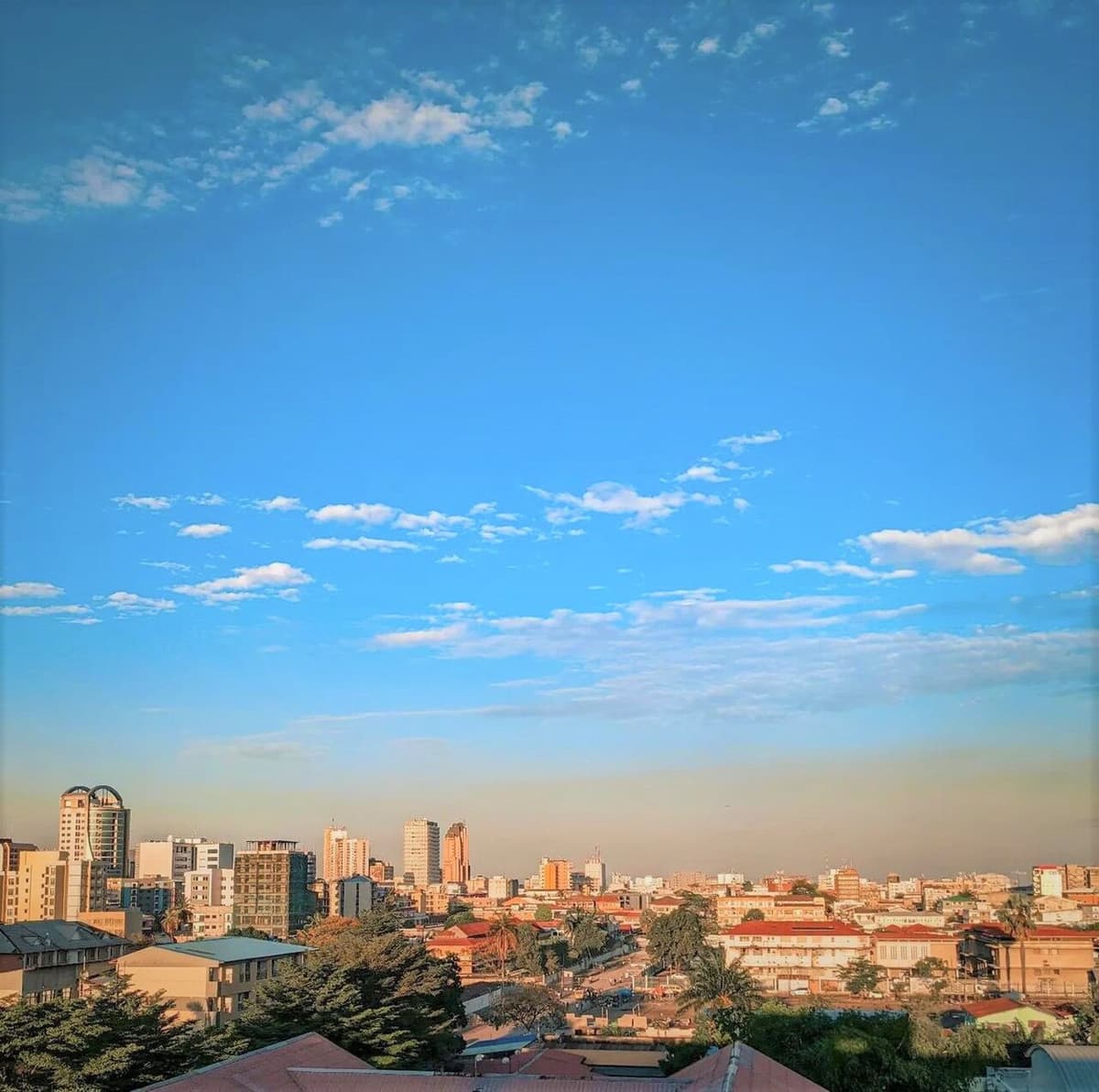
Sécurité - 31 août 2026
RDC et Congo-Brazzaville s'efforcent de désamorcer le conflit frontalier sur le fleuve Congo
Kinshasa, le 31 août 2026 - La RDC et le Congo-Brazzaville ont agi pour contenir les tensions après un affrontement mortel du 28 août entre les troupes des FARDC et les forces du Congo-Brazzaville sur le fleuve Congo…
Par Amina Kabasele - 3 min de lecture
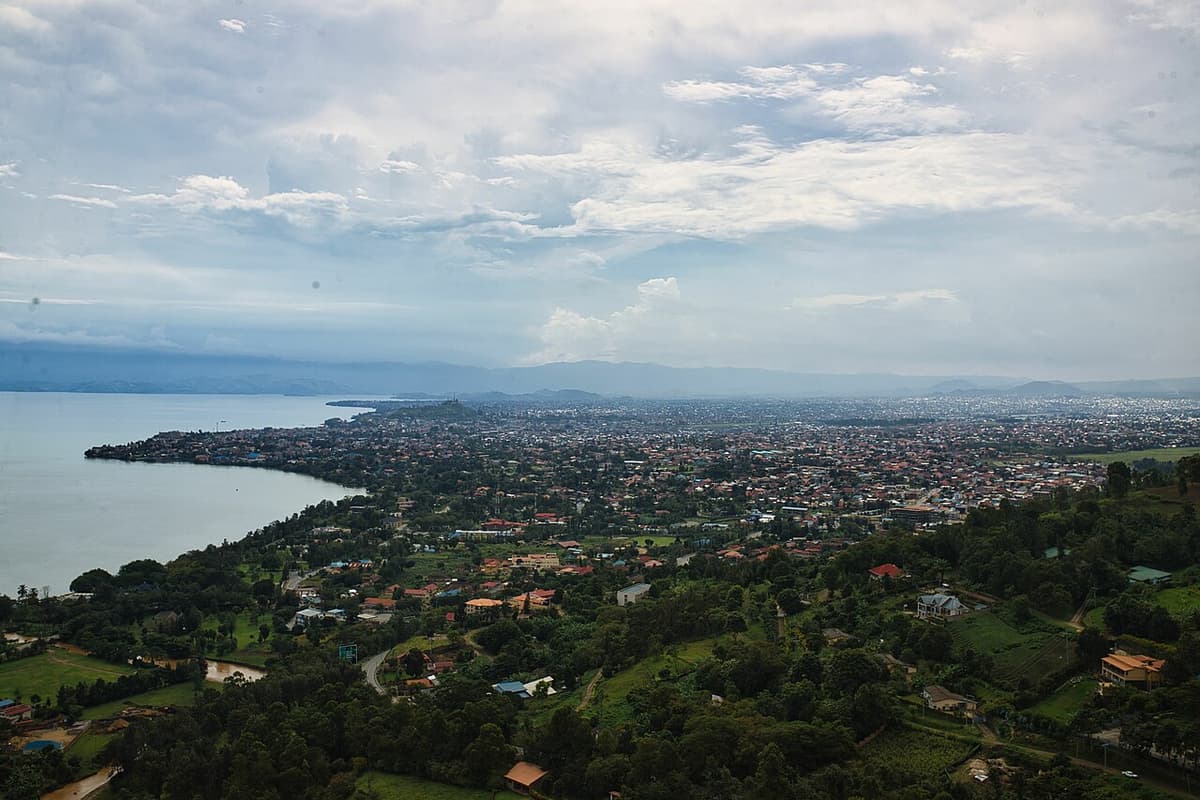
Sécurité - 31 août 2026
Des villages de Walikale vidés alors que les combats se propagent dans l'est de la RDC
Goma, le 31 août 2026 - Plusieurs villages du groupement Waloa Loanda de Walikale ont été vidés alors que les combats entre l'armée et les forces AFC/M23 se sont étendus des zones voisines de Masisi et Kalehe…
Par Amina Kabasele - 3 min de lecture
Sécurité - 31 août 2026
Le gouvernement affirme que l'armée bloque l'expansion de l'AFC/M23 au Kivu
Kinshasa, le 31 août 2026 - Le gouvernement a déclaré que les FARDC faisaient systématiquement échouer les tentatives de l'AFC/M23 d'occuper de nouveaux territoires dans les Kivus, alors que les combats se poursuivaient…
Par Amina Kabasele - 3 min de lecture