
Économie - 8 mars 2026
Le gouvernement reconnaît les retards dans les salaires des fonctionnaires
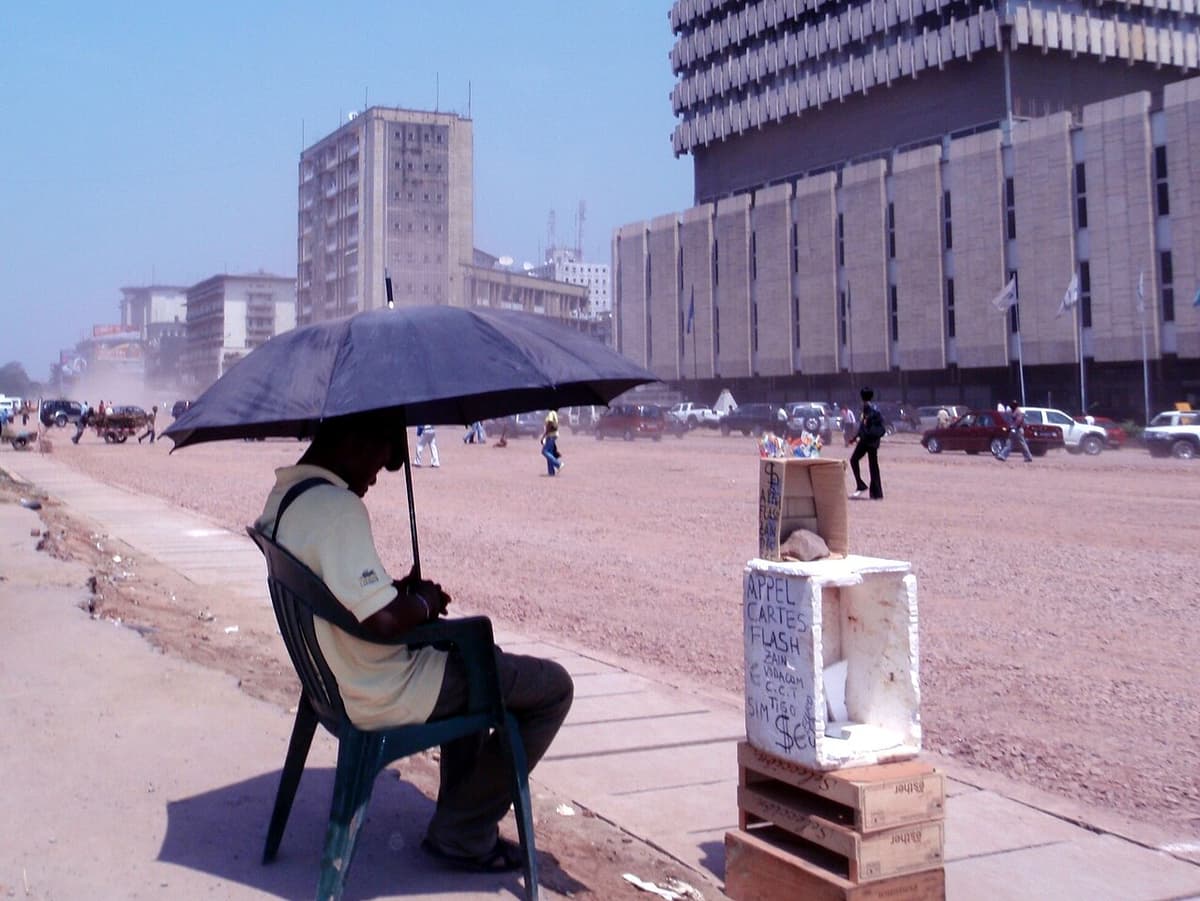
KINSHASA, le 6 mars 2026 - Le gouvernement de la République démocratique du Congo a reconnu les retards dans le paiement des salaires des fonctionnaires, invoquant des tensions sur les finances publiques, et s'est engagé à revenir à des paiements réguliers dans le mois.
Lors d'une réunion le 5 mars, le gouvernement, dirigé par la Première ministre Judith Suminwa, et le Comité de situation économique (CCE) ont examiné les finances publiques, la dynamique monétaire, les prix du marché et les effets potentiels de la crise du Moyen-Orient sur l'économie congolaise. Le vice-Premier ministre et ministre de l'Économie nationale, Daniel Mukoko Samba, a confirmé que les retards de salaires résultent de pressions sur le Trésor, aggravées par les dépenses sécuritaires et humanitaires liées au conflit en cours dans l'est de la RDC.
"Le retard est dû à la pression exercée sur la trésorerie", a expliqué Mukoko Samba. "Il y a quelques mois, le gouvernement soulignait déjà le poids croissant de la masse salariale. Nous prenons des mesures pour renforcer la collecte des recettes et mieux contrôler les dépenses afin de rétablir le paiement des salaires dans les délais."
Il a rassuré que les mesures visant à améliorer la gestion de la paie et la collecte des recettes publiques, alignées sur les directives du président Félix Tshisekedi, devraient normaliser les paiements d’ici le mois.
Ces retards récurrents ont attiré l'attention d'économistes, comme le député Gode Mpoy, qui a souligné que les fluctuations des taux de change contribuent aux déficits lorsque les masses salariales sont calculées en dollars américains mais converties en francs congolais. Le gouvernement rejette toutefois les allégations de problèmes de liquidité, affirmant que des ressources suffisantes sont disponibles.
Le Fonds monétaire international (FMI) a également signalé l’augmentation de la masse salariale du secteur public comme un risque budgétaire, en particulier dans les domaines de l’éducation, de la santé et de la justice, où les récents ajustements salariaux, recrutements et régularisations administratives ont mis à rude épreuve le budget.
Le président Tshisekedi avait précédemment ordonné un audit complet des salaires, dont les résultats sont attendus dans les 30 jours, visant à garantir la viabilité des finances publiques et le paiement régulier et fiable des salaires des fonctionnaires.
Cette décision intervient alors que la RDC est confrontée à une augmentation des dépenses liées aux opérations de sécurité, notamment en réponse à la rébellion AFC/M23 au Nord et au Sud-Kivu, mettant en évidence l’équilibre délicat entre la gestion budgétaire et la stabilité sociale.
À lire aussi

Économie - 31 août 2026
Le Rwanda récupère des parcelles industrielles non développées pour améliorer l'utilisation des terres
Kigali, le 31 août 2026 - Le Rwanda a récupéré 15 parcelles industrielles supplémentaires auprès d'investisseurs qui n'ont pas réussi à les développer dans les délais convenus, renforçant ainsi la volonté du…
Par Jean-Marc Okito - 2 min de lecture

Économie - 31 août 2026
Les coûts élevés et le manque d'informations ralentissent l'adoption de l'énergie solaire chez les agriculteurs
Kampala, le 31 août 2026 - Les coûts initiaux élevés et le manque d'informations freinent l'adoption des technologies solaires chez les petits agriculteurs ougandais, limitant la productivité et la gestion post-récolte.
Par Jean-Marc Okito - 3 min de lecture
Économie - 31 août 2026
La fermeture de la cafétéria du Parlement expose un différend sur un contrat de nourriture de 2 milliards de Shs
Kampala, le 31 août 2026 - Un différend sur un contrat de restauration du Parlement d'une valeur comprise entre 1,3 milliard et 2 milliards de Shs a perturbé les services de la cafétéria pour les législateurs et le…
Par Jean-Marc Okito - 2 min de lecture