
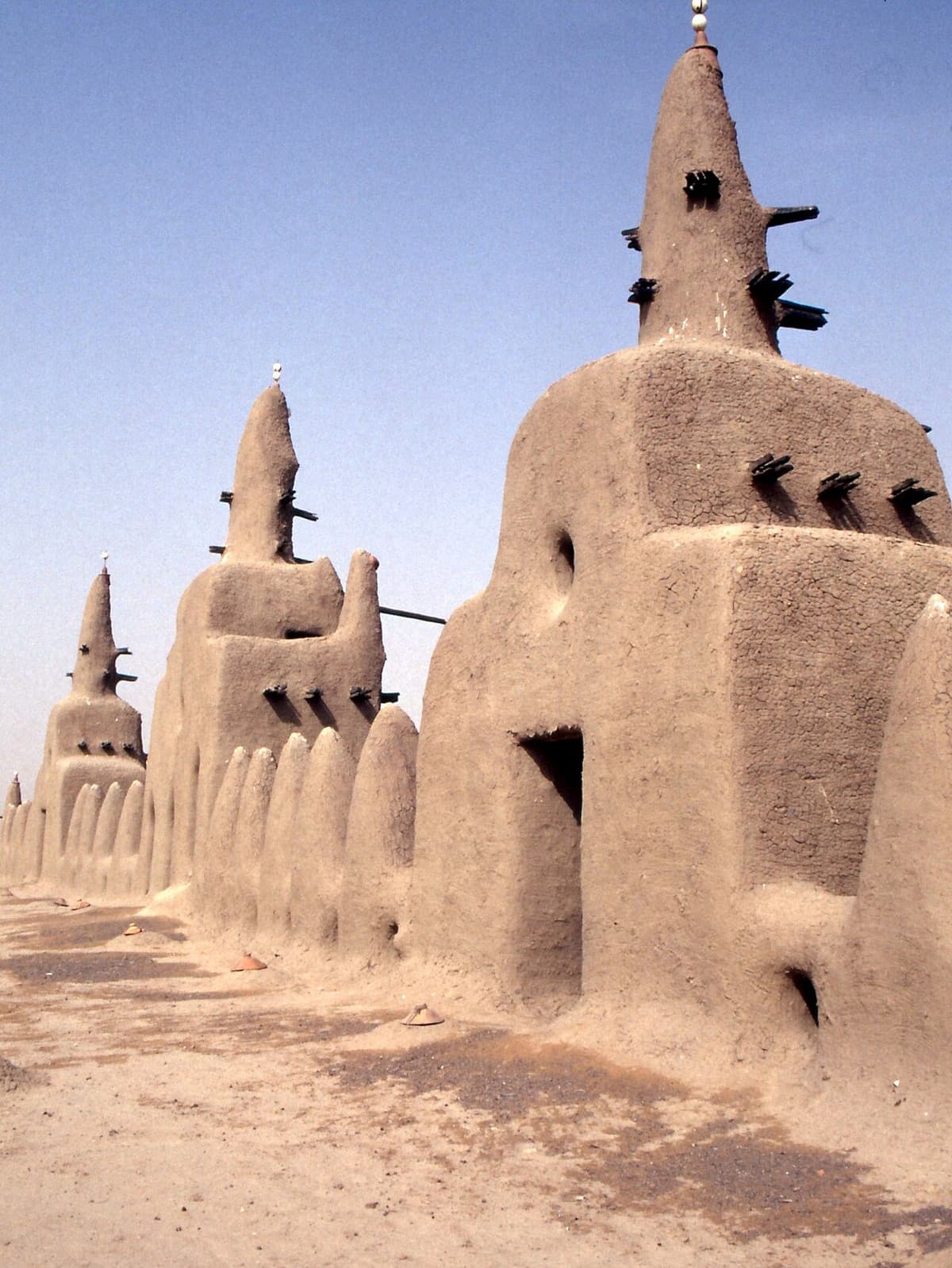
Sécurité - 23 novembre 2025
Fréquentations d'enlèvements à Nioro en pleine blocus jihadiste
Bamako, le 23 novembre 2025 - Nioro, Mali - Le 22 novembre 2025. Le 22 novembre 2025, des jihadistes ont enlevé deux nationaux de Nioro. De tels enlèvements sont devenus très fréquents : des dizaines de civils de la ville ont été kidnappés depuis que celle-ci a été bloquée en septembre 2025.
Conclusion : Crise croissante et résilience souveraine au Mali (10-23 novembre 2025)
La période du 10 au 23 novembre 2025 au Mali a été marquée par une sévère escalade de la crise sécuritaire et un double effort du gouvernement de transition pour affirmer la souveraineté nationale tout en faisant face à des défis logistiques et humanitaires critiques. La nation a été confrontée à ce que plusieurs acteurs internationaux ont décrit comme une menace terroriste existentielle.
Crise sécuritaire intensifiée : Le groupe terroriste JNIM (GSIM/filiale d'Al-Qaïda) a intensifié sa guerre économique, annonçant la deuxième phase de son blocus de carburant et de fournitures contre Bamako et menaçant de traiter les conducteurs de camions-citernes comme des combattants. Cette action a coïncidé avec de multiples avertissements internationaux et des évacuations de citoyens par des pays tels que le Portugal, la Norvège, le Danemark et la Suède.
Dommages aux civils et violations des droits de l'homme : Les opérations militaires, y compris celles de l'armée malienne et de mercenaires russes, ont entraîné des pertes civiles documentées. Human Rights Watch (HRW) a rapporté des frappes de drones mortelles ayant tué des civils touaregs, y compris des enfants, dans la région de Tombouctou, et des opérations létales de l'armée malienne et des milices Dozo dans la région de Ségou. JNIM a également condamné la hausse des ciblages de civils, en particulier par des frappes de drones turcs, qualifiant cela de "stratégie de la terre brûlée".
Réponse du gouvernement et affirmation de la souveraineté : Les autorités maliennes ont constamment souligné l'autonomie stratégique et le choix souverain en matière de défense et de partenariats. Le ministre des Affaires étrangères, Abdoulaye Diop, a condamné les "campagnes médiatiques hostiles" et les "actions déstabilisatrices" tout en réaffirmant l'engagement des Forces de défense et de sécurité maliennes (FDS) à sécuriser le territoire.
Progrès logistiques malgré les pénuries : Malgré le blocus de JNIM et les longues files d'attente persistantes aux stations-service, le gouvernement a rapporté une normalisation progressive de l'approvisionnement en carburant grâce à des livraisons réussies. Les responsables mettent en œuvre un protocole d'accord avec les compagnies pétrolières pour réduire le temps de traitement douanier de 72 à 24 heures afin d'alléger les goulets d'étranglement de distribution. Une collaboration avec le Sénégal a également été initiée pour débloquer le corridor commercial critique Dakar-Bamako.
Nouveaux liens : Le Mali a accueilli une délégation d'affaires biélorusse pour explorer des investissements dans des secteurs stratégiques. La Russie a affirmé son engagement à soutenir le Mali face à la crise du carburant, déployant le Corps d'armée pour l'Afrique pour assurer la sécurité et des escortes de convois.
Coopération régionale : La Confédération des États du Sahel (AES) - Mali, Burkina Faso et Niger - a appelé à une coopération régionale dirigée par la souveraineté contre le terrorisme et a formellement signé un accord de coordination de fréquence radio pour améliorer l'intégration numérique.
Dialogue international : Le ministre Diop a eu des discussions constructives avec le Royaume-Uni, qui a salué les efforts du Mali pour rétablir la normalité, et a réaffirmé l'engagement du Mali envers l'ONU, en soulignant l'autonomie opérationnelle de ses forces armées.
Le Mali lutte simultanément contre une insurrection terroriste sophistiquée et une crise de perception internationale. L'affirmation par le gouvernement de son autonomie et de sa résilience stratégique est évidente dans ses partenariats et son rejet des allégations selon lesquelles Bamako serait menacé. Cependant, la pression économique due au blocus, le coût humanitaire de la violence (y compris le déplacement de milliers de réfugiés vers la Côte d'Ivoire) et les allégations de graves violations des droits de l'homme risquent de saper ce récit de résilience.
Le succès à long terme de la stratégie du Mali dépendra de sa capacité à traduire les améliorations techniques en logistique de carburant en services publics stables, à garantir la protection de sa population civile contre tous les acteurs, et à atteindre un chemin politique inclusif, comme le demande l'ONU et l'Algérie.
À lire aussi
Sécurité - 31 août 2026
RDC et Congo-Brazzaville s'efforcent de désamorcer le conflit frontalier sur le fleuve Congo
Kinshasa, le 31 août 2026 - La RDC et le Congo-Brazzaville ont agi pour contenir les tensions après un affrontement mortel du 28 août entre les troupes des FARDC et les forces du Congo-Brazzaville sur le fleuve Congo…
Par Amina Kabasele - 3 min de lecture
Sécurité - 31 août 2026
Des villages de Walikale vidés alors que les combats se propagent dans l'est de la RDC
Goma, le 31 août 2026 - Plusieurs villages du groupement Waloa Loanda de Walikale ont été vidés alors que les combats entre l'armée et les forces AFC/M23 se sont étendus des zones voisines de Masisi et Kalehe…
Par Amina Kabasele - 3 min de lecture
Sécurité - 31 août 2026
Le gouvernement affirme que l'armée bloque l'expansion de l'AFC/M23 au Kivu
Kinshasa, le 31 août 2026 - Le gouvernement a déclaré que les FARDC faisaient systématiquement échouer les tentatives de l'AFC/M23 d'occuper de nouveaux territoires dans les Kivus, alors que les combats se poursuivaient…
Par Amina Kabasele - 3 min de lecture