
Sécurité - 8 février 2026
Le FBI enquête sur une tentative de coup d'État en 2024 à Kinshasa
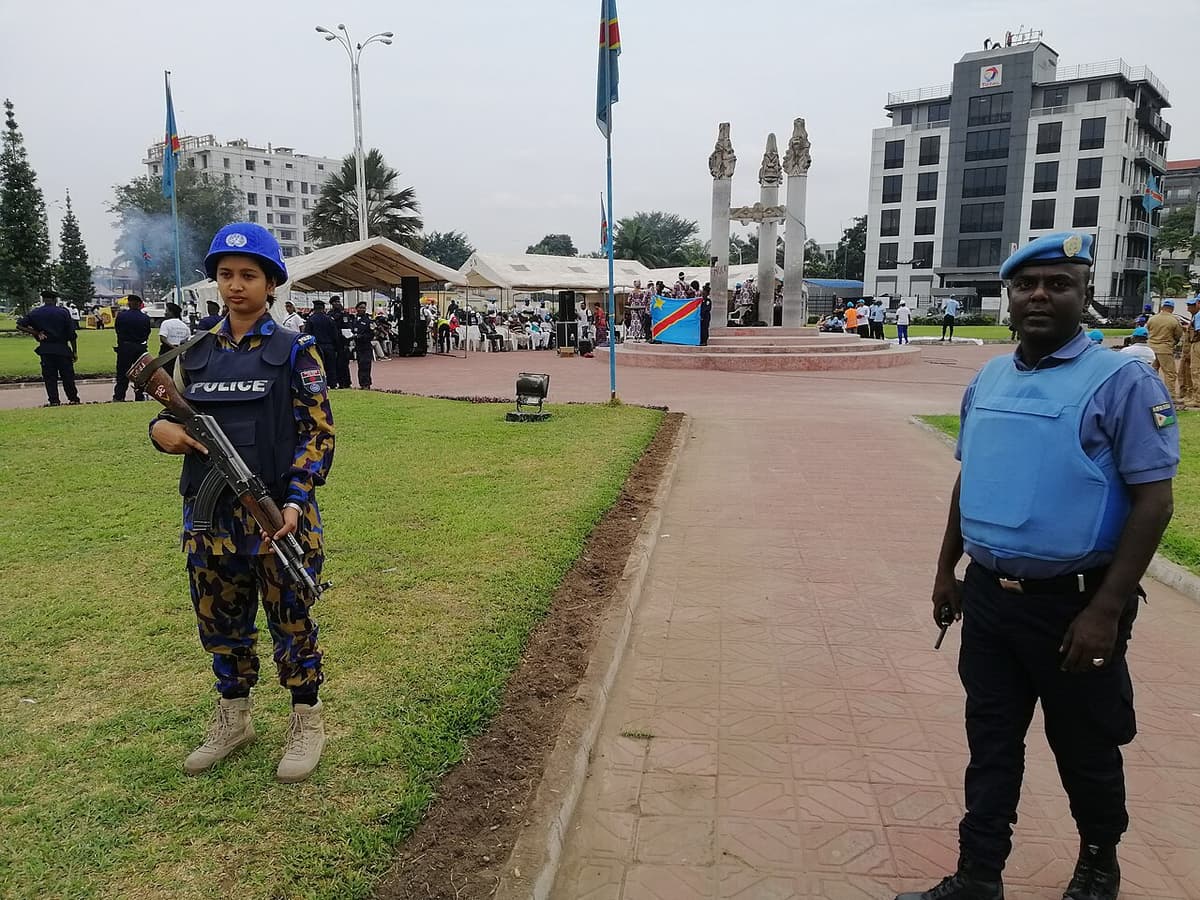
Kinshasa, le 8 février 2026 - Le Federal Bureau of Investigation (FBI) des États-Unis enquête sur une tentative de coup d'État ratée survenue en République Démocratique du Congo (RDC) en 2024.
Le matin du 19 mai 2024, des hommes armés dirigés par le Congolais-américain Christian Malanga ont pris d'assaut le palais présidentiel, affirmant avoir renversé le président Félix Tshisekedi. Ils ont également attaqué les domiciles de hauts fonctionnaires, y compris l'ancien ministre de l'Économie Vital Kamerhe, tuant plusieurs de ses gardes du corps, et l'ancien ministre de la Défense Jean-Pierre Bemba.
Les forces de sécurité de Tshisekedi ont engagé un violent combat avec les assaillants au palais, tuant Malanga et arrêtant plusieurs individus, dont son fils Marcel et d'autres Américains : Tyler Thomson, Benjamin Zalman-Polun et Joseph Peter.
Les personnes arrêtées au palais présidentiel ont été condamnées à mort, mais les ressortissants américains ont été extradés vers les États-Unis en avril 2025 pour être jugés dans leur pays d'origine.
Le Département de la Justice des États-Unis a annoncé des charges, notamment de conspiration pour soutenir des actes terroristes, d'utilisation d'armes de destruction massive, d'attaques contre des infrastructures étatiques, et de conspiration pour commettre un meurtre ou un enlèvement.
Selon Radio France Internationale (RFI), avant leur procès dans l'Utah en mars 2026, deux agents du FBI se sont rendus à Kinshasa pour enquêter sur les crimes et évaluer les dommages causés par la tentative de coup d'État.
Les responsables qui devraient être interrogés incluent des enquêteurs, des procureurs, des avocats de la défense et des juges impliqués à tous les niveaux dans l'affaire.
Conclusion
En résumé, le rapport met en lumière une période de tensions diplomatiques significatives et de réformes internes au Rwanda et dans la région des Grands Lacs en général, de fin janvier à début février 2026. Sur le plan national, le Rwanda avance dans ses objectifs de gouvernance numérique et d'exportation tout en s'attaquant à la sécurité sociale et à la conformité fiscale. Cependant, sur le plan régional, la situation reste fragile, caractérisée par des frictions croissantes avec le Burundi et la RDC, un conflit persistant dans l'est du Congo, et l'utilisation controversée de mercenaires étrangers. Ces développements soulignent un paysage complexe où le Rwanda continue de s'efforcer de progresser économiquement et de gagner une reconnaissance internationale tout en naviguant dans des défis de sécurité régionaux profondément enracinés.
Par Jeff Buleli
À lire aussi
Sécurité - 31 août 2026
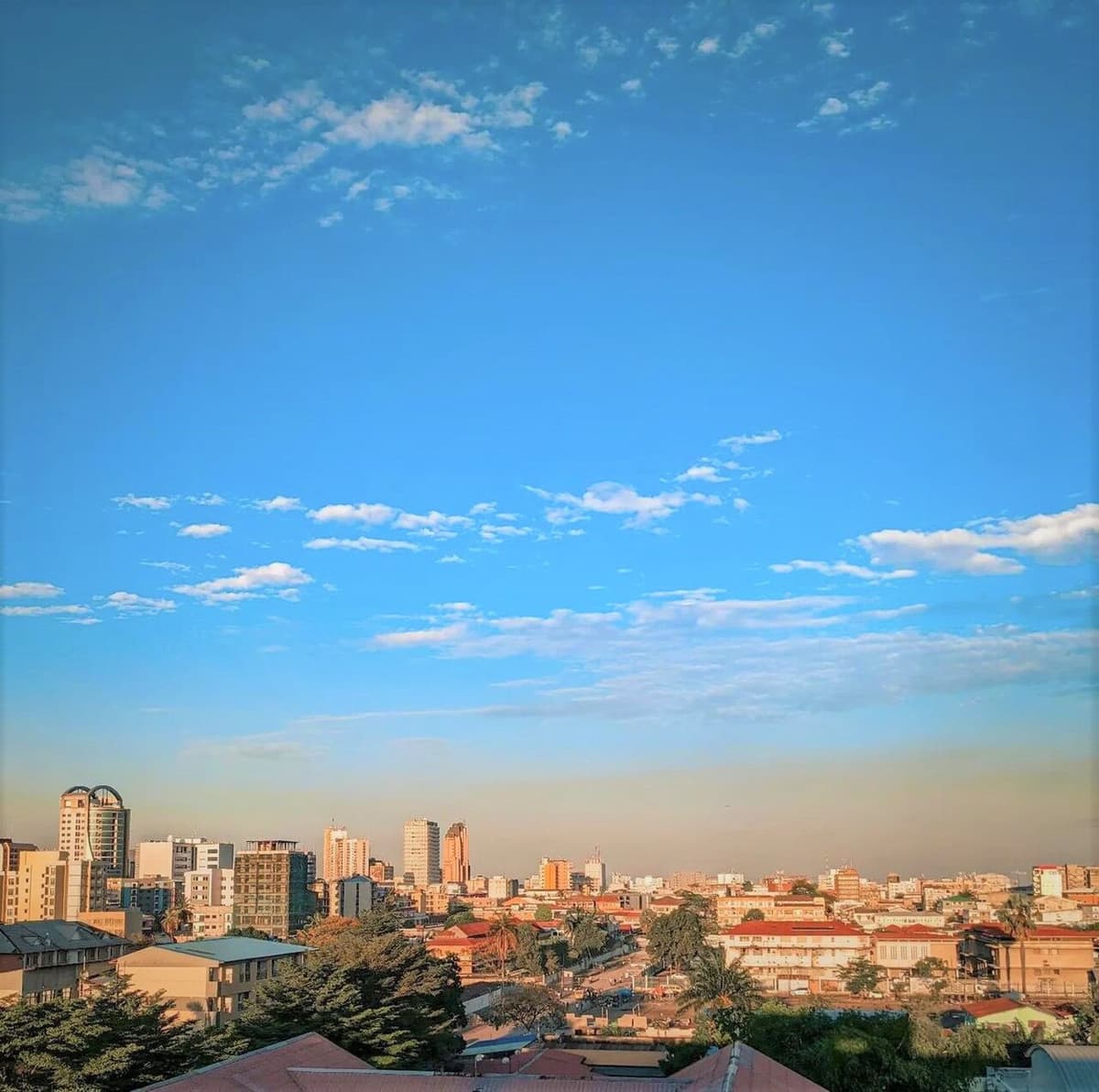
RDC et Congo-Brazzaville s'efforcent de désamorcer le conflit frontalier sur le fleuve Congo
Kinshasa, le 31 août 2026 - La RDC et le Congo-Brazzaville ont agi pour contenir les tensions après un affrontement mortel du 28 août entre les troupes des FARDC et les forces du Congo-Brazzaville sur le fleuve Congo…
Par Amina Kabasele - 3 min de lecture
Sécurité - 31 août 2026
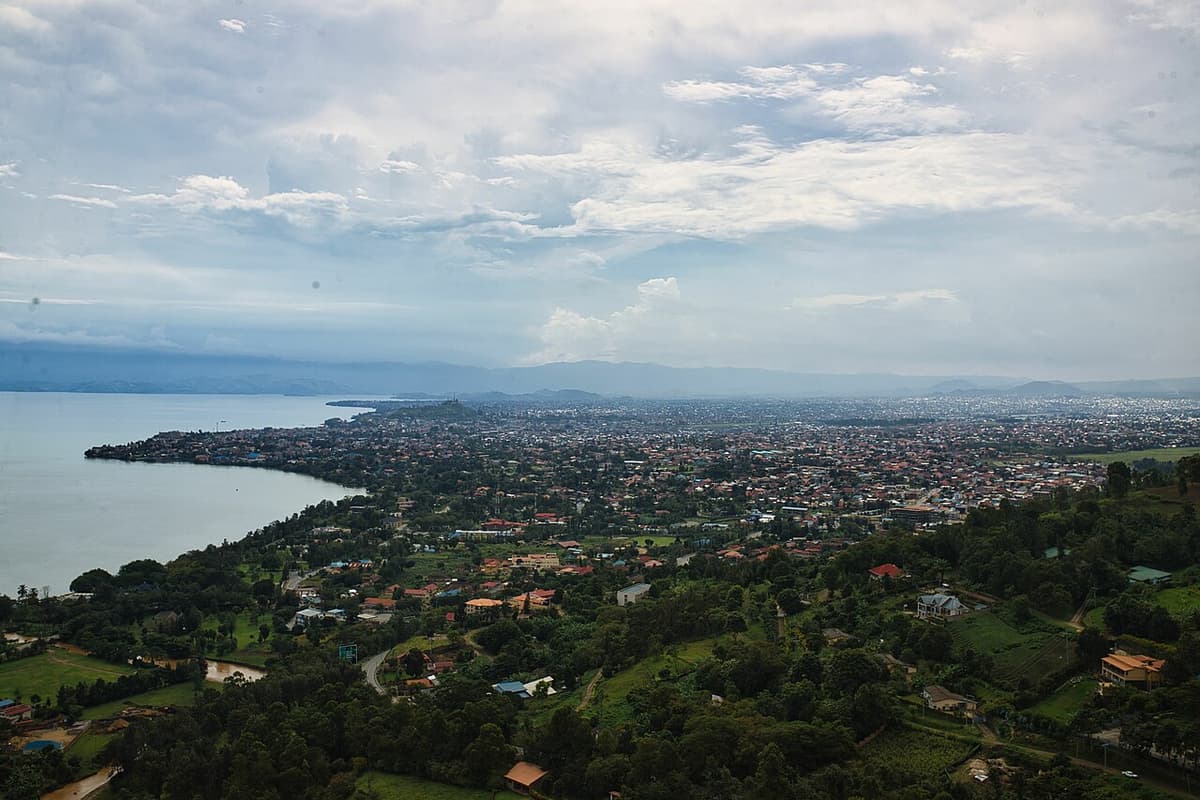
Des villages de Walikale vidés alors que les combats se propagent dans l'est de la RDC
Goma, le 31 août 2026 - Plusieurs villages du groupement Waloa Loanda de Walikale ont été vidés alors que les combats entre l'armée et les forces AFC/M23 se sont étendus des zones voisines de Masisi et Kalehe…
Par Amina Kabasele - 3 min de lecture
Sécurité - 31 août 2026
Le gouvernement affirme que l'armée bloque l'expansion de l'AFC/M23 au Kivu
Kinshasa, le 31 août 2026 - Le gouvernement a déclaré que les FARDC faisaient systématiquement échouer les tentatives de l'AFC/M23 d'occuper de nouveaux territoires dans les Kivus, alors que les combats se poursuivaient…
Par Amina Kabasele - 3 min de lecture