
Sécurité - 24 janvier 2026
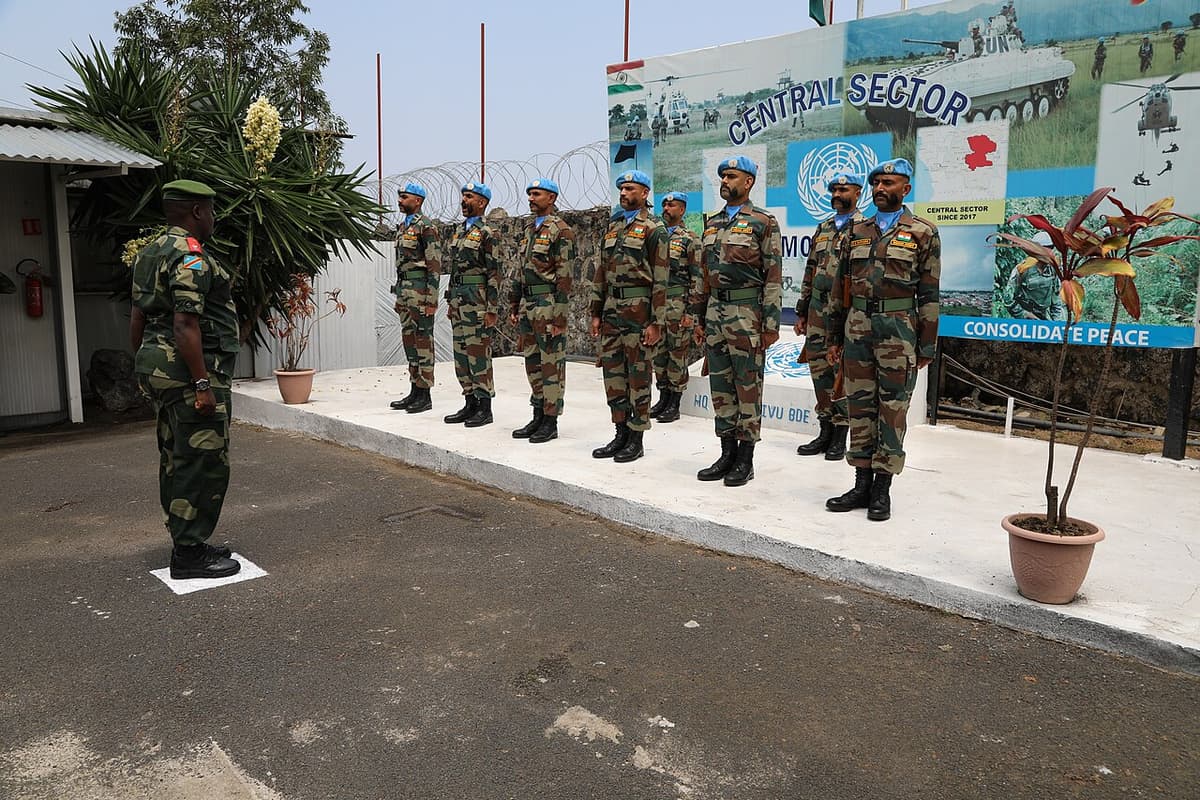
Les FARDC reprennent le contrôle d'Uvira, dénoncent le pillage avant le retrait de l'AFC/M23
Uvira, le 19 janvier 2026 - Les Forces armées de la République démocratique du Congo (FARDC) ont annoncé avoir repris le contrôle de la ville d'Uvira, dans le Sud-Kivu, suite au retrait de l'armée rwandaise et de ses alliés de l'AFC/M23. Selon l'armée, la ville a été reprise le dimanche 18 janvier 2026.
Dans un communiqué, les FARDC ont condamné le pillage systématique effectué dans la ville par les forces de l'AFC/M23-RDF avant leur évacuation. L'armée a indiqué qu'environ une vingtaine de civils impliqués dans le pillage avaient été arrêtés et seront traduits en justice.
"Les FARDC poursuivent leur déploiement dans et autour d'Uvira pour consolider les positions et assurer la sécurité des personnes et des biens," a déclaré le communiqué.
Ce développement fait suite à une lettre envoyée le 15 janvier 2026 par le coordinateur politique de l'AFC/M23, Corneille Nangaa, au Secrétaire général des Nations unies, annonçant que le groupe plaçait Uvira sous la responsabilité de la communauté internationale. Le mouvement a déclaré que cela faisait partie de sa décision de retrait, initialement annoncée le 15 décembre 2025, et réaffirmée dans le cadre de son engagement de cessez-le-feu.
La rébellion a également annoncé le retrait immédiat de son "unité d'observation et de surveillance", déclinant toute responsabilité supplémentaire pour la sécurité d'Uvira.
Cependant, les autorités congolaises ont exprimé des doutes quant à ce retrait, le considérant comme une tentative de détourner l'attention et de réduire la pression internationale, notamment sur Kigali, que Kinshasa considère comme le principal soutien de la rébellion. Sur le terrain, l'AFC/M23 continue ses avancées territoriales et établit une administration parallèle en dehors du contrôle gouvernemental.
Uvira, ville stratégique du Sud-Kivu, était tombée sous le contrôle des rebelles, renforçant la prise de pouvoir du groupe sur le Nord et le Sud-Kivu. La ville est considérée comme un pôle de sécurité clé, dont le contrôle pourrait faciliter de nouvelles avancées vers la région du Grand Katanga, le cœur économique de la République démocratique du Congo.
À lire aussi
Sécurité - 31 août 2026
RDC et Congo-Brazzaville s'efforcent de désamorcer le conflit frontalier sur le fleuve Congo
Kinshasa, le 31 août 2026 - La RDC et le Congo-Brazzaville ont agi pour contenir les tensions après un affrontement mortel du 28 août entre les troupes des FARDC et les forces du Congo-Brazzaville sur le fleuve Congo…
Par Amina Kabasele - 3 min de lecture
Sécurité - 31 août 2026
Des villages de Walikale vidés alors que les combats se propagent dans l'est de la RDC
Goma, le 31 août 2026 - Plusieurs villages du groupement Waloa Loanda de Walikale ont été vidés alors que les combats entre l'armée et les forces AFC/M23 se sont étendus des zones voisines de Masisi et Kalehe…
Par Amina Kabasele - 3 min de lecture
Sécurité - 31 août 2026
Le gouvernement affirme que l'armée bloque l'expansion de l'AFC/M23 au Kivu
Kinshasa, le 31 août 2026 - Le gouvernement a déclaré que les FARDC faisaient systématiquement échouer les tentatives de l'AFC/M23 d'occuper de nouveaux territoires dans les Kivus, alors que les combats se poursuivaient…
Par Amina Kabasele - 3 min de lecture