
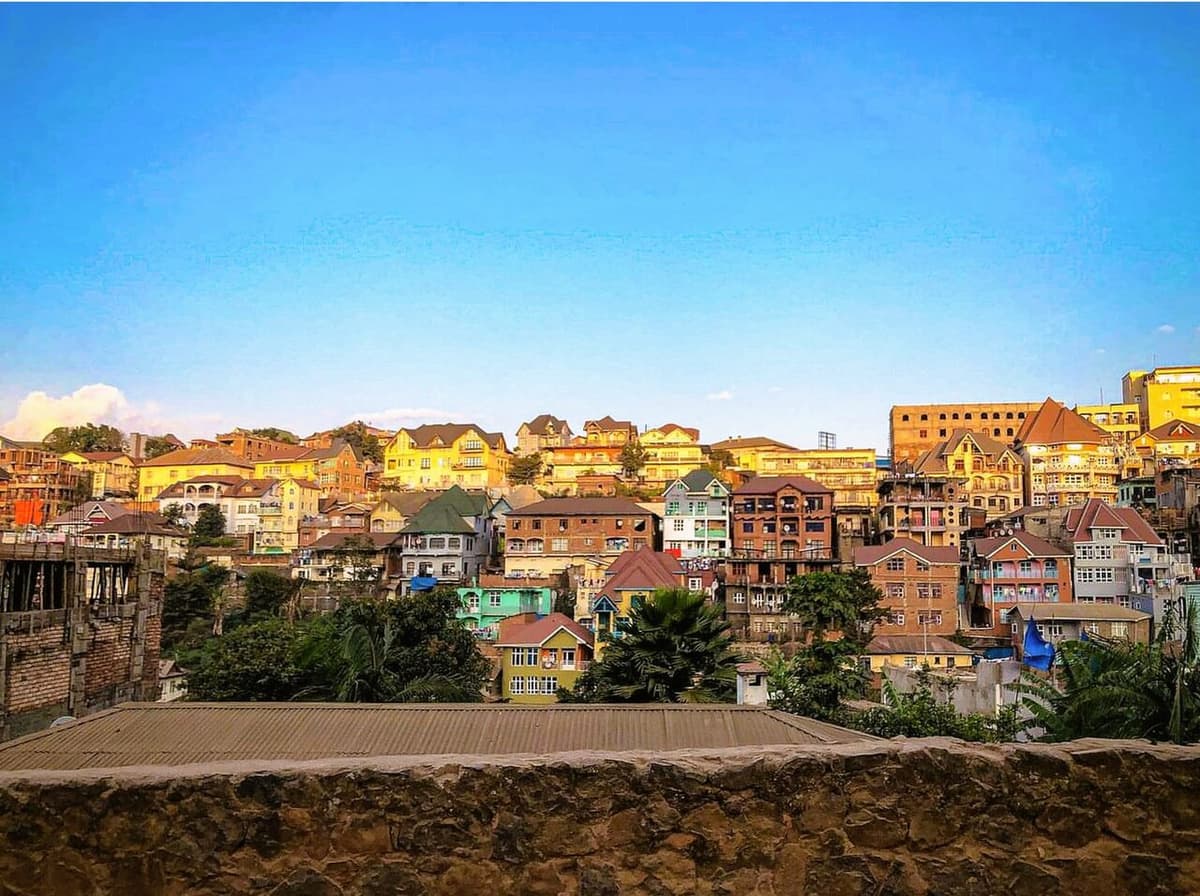
Sécurité - 27 décembre 2025
Les FARDC lancent une offensive pour reprendre Uvira au milieu des affrontements avec l'AFC/M23
Uvira, le 27 décembre 2025 - Les Forces armées de la République démocratique du Congo (FARDC) ont lancé une campagne majeure pour reprendre des zones stratégiques du Sud-Kivu, y compris la ville d'Uvira, aux mains de la coalition rebelle AFC/M23.
Le 24 décembre, les FARDC, en coordination avec les forces Wazalendo, ont attaqué les positions de l'AFC/M23 au Centre de Makobola dans le territoire de Fizi, utilisant des avions de chasse, des drones et des armes lourdes. La veille de Noël, les combattants de l'AFC/M23 se sont retirés de Makobola après deux semaines d'occupation, les forces Wazalendo ayant réalisé des gains territoriaux significatifs.
Le 26 décembre, les FARDC ont mené des frappes aériennes et des frappes de drones ciblant les positions de l'AFC/M23 au port de Kalundu, près d'Uvira sur le lac Tanganyika.
Au 27 décembre, les FARDC ont repris le contrôle de Makobola 1 et Makobola 2, tandis que les combats se poursuivent dans des zones situées à environ sept kilomètres d'Uvira, y compris Katongo et Kabimba, selon le porte-parole militaire, le général major Sylvain Ekenge Bomusa.
L'AFC/M23 est entrée à Uvira le 9 décembre mais s'est retirée les 17 et 18 décembre dans le cadre d'efforts pour instaurer la confiance lors des négociations de paix en cours avec le gouvernement de la RDC. Malgré leur départ de la ville, les forces rebelles restent dans les zones environnantes, y compris le sud de Makobola, les approches nord et les régions montagneuses à l'ouest, créant des tensions avec le gouvernement, qui insiste sur le fait que la ville n'a pas réellement été évacuée.
Les FARDC et Wazalendo semblent concentrés sur le fait de repousser les combattants de l'AFC/M23 vers Uvira, signalant aux médiateurs, y compris des représentants des États-Unis et du Qatar, que la ville n'est pas encore totalement sous contrôle civil ou neutre. Cette approche reflète la stratégie antérieure des FARDC à Makobola, où la ville a été reprise par la force après un retrait rebelle.
La période entre le 14 et le 28 décembre 2025 reflète un jeu complexe de défis de sécurité régionale, de manœuvres diplomatiques et de progrès intérieur constant pour le Rwanda. Bien que les tensions avec le Burundi voisin et la République démocratique du Congo (RDC) restent élevées - caractérisées par des allégations mutuelles de bombardements et de soutien à des groupes rebelles - le Rwanda a maintenu une posture proactive. Cela se manifeste par des pourparlers de sécurité timides avec le Burundi et un engagement à démanteler les FDLR par le biais de cadres internationaux.
Sur la scène internationale, le Rwanda continue de projeter la stabilité et la compétence militaire. Ses forces de sécurité ont joué un rôle clé dans le succès des élections présidentielles en République centrafricaine et dans le maintien de la sécurité dans la province de Cabo Delgado au Mozambique. Ces efforts ont été renforcés par un message national fort du président Paul Kagame, qui a souligné l'unité nationale et le professionnalisme des services de sécurité.
Économiquement, le Rwanda montre une résilience significative et une croissance stratégique. Le pays a réussi à générer plus de 13,7 millions de dollars en exportations agricoles en une seule fenêtre de cinq jours et continue d'élargir son rayonnement en tant que centre financier grâce à de nouveaux accords d'évitement de double imposition. Couplé à des investissements majeurs dans les infrastructures, comme le projet d'irrigation de Gisagara de 48 millions de dollars, le Rwanda semble bien positionné pour atteindre ses objectifs d'accélération économique à long terme.
En résumé, malgré la menace persistante d'instabilité régionale et la pression diplomatique d'acteurs externes, le Rwanda entre dans les derniers jours de 2025 avec un accent sur la cohésion interne, la désescalade régionale et le développement économique soutenu.
À lire aussi
Sécurité - 31 août 2026
RDC et Congo-Brazzaville s'efforcent de désamorcer le conflit frontalier sur le fleuve Congo
Kinshasa, le 31 août 2026 - La RDC et le Congo-Brazzaville ont agi pour contenir les tensions après un affrontement mortel du 28 août entre les troupes des FARDC et les forces du Congo-Brazzaville sur le fleuve Congo…
Par Amina Kabasele - 3 min de lecture
Sécurité - 31 août 2026
Des villages de Walikale vidés alors que les combats se propagent dans l'est de la RDC
Goma, le 31 août 2026 - Plusieurs villages du groupement Waloa Loanda de Walikale ont été vidés alors que les combats entre l'armée et les forces AFC/M23 se sont étendus des zones voisines de Masisi et Kalehe…
Par Amina Kabasele - 3 min de lecture
Sécurité - 31 août 2026
Le gouvernement affirme que l'armée bloque l'expansion de l'AFC/M23 au Kivu
Kinshasa, le 31 août 2026 - Le gouvernement a déclaré que les FARDC faisaient systématiquement échouer les tentatives de l'AFC/M23 d'occuper de nouveaux territoires dans les Kivus, alors que les combats se poursuivaient…
Par Amina Kabasele - 3 min de lecture