
Politique - 9 octobre 2025
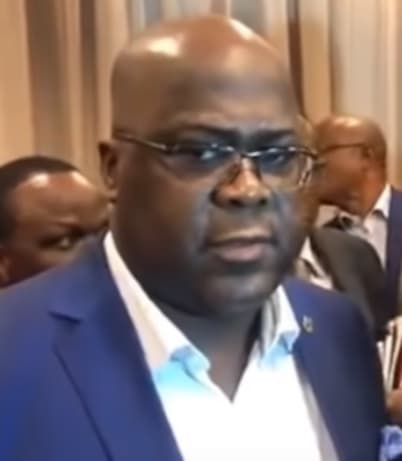
Vérification des faits du discours du Président Tshisekedi au Forum Global Gateway 2025 à Bruxelles
Bruxelles, le 9 octobre 2025 - Lors de son discours au Forum Global Gateway 2025, le Président de la République Démocratique du Congo (RDC), Félix Tshisekedi, a prononcé un discours appelant à la paix et à la coopération régionale, notamment avec les pays voisins, le Rwanda et l'Ouganda. Cependant, un examen plus approfondi de ses déclarations révèle plusieurs incohérences avec les faits et les développements récents dans la région.
Affirmation 1 : « Depuis mon élection en 2019, j'ai visité les neuf pays voisins, en particulier le Rwanda et l'Ouganda, pour proposer de travailler ensemble pour le développement et le bien-être. »
Bien qu'il soit vrai que le Président Tshisekedi ait initié des visites diplomatiques dans plusieurs États voisins au début de son mandat, les relations avec le Rwanda et l'Ouganda se sont depuis détériorées de manière significative. Depuis 1999, plus de dix accords de paix ont été signés entre la RDC et ses voisins, mais rarement mis en œuvre - en grande partie en raison de la préférence de Kinshasa pour des solutions militaires et d'une méfiance politique persistante.
Les analystes soulignent également la rhétorique anti-rwandaise et la persécution interne de certaines communautés congolaises, notamment les Tutsi congolais, qui se sont intensifiées ces dernières années sous l'administration de Tshisekedi.
Affirmation 2 : « À aucun moment je n'ai affiché d'attitude belliqueuse envers le Rwanda ou l'Ouganda. »
Cette déclaration contredit de nombreux discours publics et interviews dans lesquels le Président Tshisekedi a utilisé un langage hostile envers le Rwanda et son leadership. Lors de sa campagne de réélection en 2023, Tshisekedi a qualifié le Président rwandais Paul Kagame de « Hitler », a menacé de « bombarder Kigali » et a juré de « travailler avec les ennemis du Rwanda ».
Une telle rhétorique a également résonné dans des forums régionaux et internationaux, où des responsables congolais ont accusé à plusieurs reprises le Rwanda de soutenir la rébellion M23 et ont appelé à des sanctions contre Kigali. Au niveau local, des responsables congolais ont souvent imputé les défis internes - des scandales de corruption à la stagnation économique - au Rwanda, alimentant le sentiment anti-rwandais et les discours de haine dans le pays.
Affirmation 3 : « Nous sommes les seuls capables d'arrêter cette escalade. »
Les observateurs soutiennent que l'escalade dépend largement des décisions de Kinshasa, notamment en ce qui concerne la milice FDLR, un groupe rebelle rwandais basé dans l'est du Congo et accusé d'avoir participé au génocide de 1994 contre les Tutsi. Malgré les engagements régionaux à travers l'EAC, l'UA et la SADC, la RDC a continué à collaborer avec des unités FDLR, des mercenaires étrangers et des milices locales telles que les Wazalendo, aggravant l'instabilité. Le Rwanda soutient que la paix ne peut être atteinte que par un dialogue direct entre le gouvernement de la RDC et l'AFC/M23, un mouvement rebelle congolais impliqué dans le processus de paix de Doha.
Affirmation 4 : « Le Rwanda a boycotté une cérémonie de paix presque finale sans raison. »
Le gouvernement rwandais a déclaré publiquement qu'il avait refusé de participer à la cérémonie de Luanda parce que la RDC n'avait pas honoré ses engagements antérieurs, y compris des discussions avec des mouvements rebelles internes. Kigali a décrit l'événement comme une « opportunité photo » qui ne traitait pas des problèmes de sécurité fondamentaux.
Affirmation 5 : « Le M23 doit arrêter son escalade soutenue par le Rwanda. »
Le gouvernement de la RDC continue de blâmer le Rwanda pour son soutien au M23, une affirmation que Kigali nie. Cependant, des observateurs indépendants et des médiateurs régionaux notent que les propres actions de Kinshasa - telles que l'absence de démobilisation des FDLR et le recrutement de mercenaires étrangers - ont également alimenté le conflit.
De multiples incidents transfrontaliers ont été enregistrés depuis 2019, y compris des tirs d'artillerie en janvier 2025 qui ont tué au moins 16 civils rwandais dans le district de Rubavu.
Affirmation 6 : « Nous les comptons par millions depuis des années. »
La référence de Tshisekedi à des « millions » de victimes n'a pas de base statistique vérifiée. Bien que le coût humanitaire du conflit dans l'est du Congo soit effectivement catastrophique, les experts mettent en garde contre les exagérations motivées politiquement qui déforment l'ampleur de la crise.
Affirmation 7 : « Nous restons reconnaissants aux troupes de la SADC qui sont tombées sur le champ d'honneur. »
Les forces de la SADC, déployées fin 2024 pour soutenir l'armée congolaise, ont subi de lourdes pertes lors des affrontements en province du Kivu Nord. Après la chute de Goma, les troupes survivantes et les mercenaires étrangers auraient reçu un passage sécurisé à travers le Rwanda après leur retrait.
Affirmation 8 : « La RDC n'est pas belliqueuse et veut la paix. »
Malgré l'appel final de Tshisekedi à la paix, les offensives militaires en cours de son gouvernement, les récits alimentés par la haine et l'absence de mise en œuvre des accords de paix régionaux contredisent cette affirmation. Les analystes et les médiateurs régionaux soulignent que la paix ne viendra que d'une volonté politique sincère - notamment, par le démantèlement des FDLR, la cessation des provocations anti-rwandaises et la réengagement dans les mécanismes de paix de Doha et de Luanda de bonne foi.
Le discours du Président Tshisekedi à Bruxelles a projeté l'image d'un leader engagé pour la paix et le dialogue. Cependant, une vérification des faits détaillée révèle un schéma de contradictions entre ses déclarations publiques et les actions de la RDC sur le terrain. Alors que la RDC continue de se présenter comme une victime d'agression externe, les preuves indiquent que des choix politiques internes, des erreurs militaires et un défi régional constituent des obstacles majeurs à la paix dans la région des Grands Lacs.
À lire aussi
Politique - 31 août 2026
Le Président angolais met en garde contre le risque d'un conflit dans l'est de la RDC s'étendant à la région des Grands Lacs
Kinshasa, le 31 août 2026 - Le Président angolais Joao Lourenco a averti que le conflit de longue date dans l'est de la RDC pourrait avoir des répercussions dans la région des Grands Lacs, ajoutant un poids diplomatique…
Par Amina Kabasele - 3 min de lecture
Politique - 31 août 2026
Le Rwanda rejette le cadrage ethnique des remarques du chef militaire ougandais
Kigali, le 31 août 2026 - Le Rwanda a réagi aux remarques sur les réseaux sociaux attribuées au chef des forces de défense de l'Ouganda, le général Muhoozi Kainerugaba, après que la porte-parole du gouvernement, Yolande…
Par Amina Kabasele - 2 min de lecture
Politique - 31 août 2026
L'Union africaine soutient le plan de dialogue soudanais alors que des blocs civils s'y opposent
Khartoum, le 31 août 2026 - L'Union africaine a approuvé une nouvelle initiative de dialogue soudanais destinée à mettre fin à la guerre civile, mais d'importants groupes civils et politiques ont rejeté cette démarche…
Par Amina Kabasele - 2 min de lecture