
Justice - 22 mars 2026
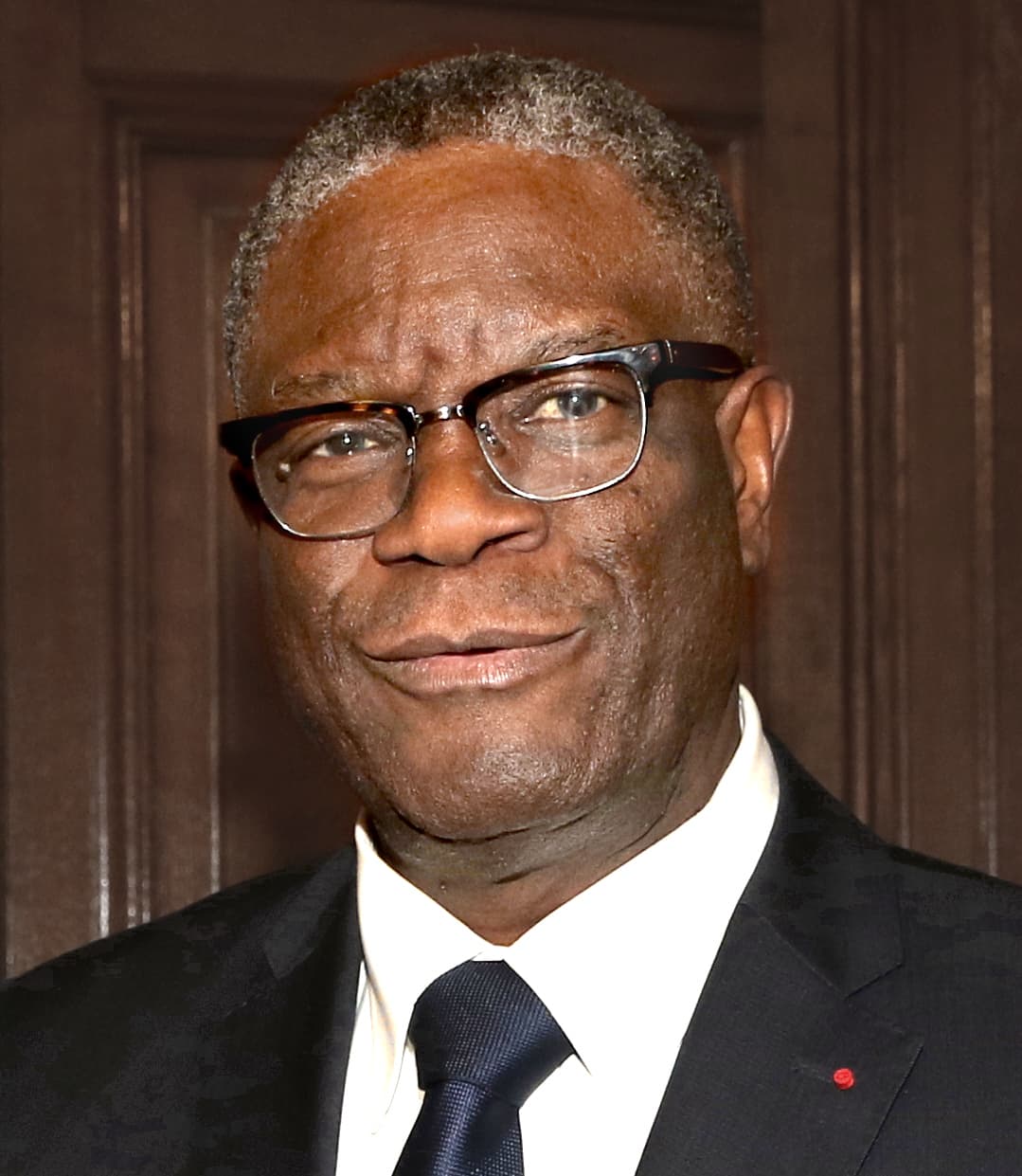
Etienne Davignon sera jugé pour son rôle dans l'assassinat de Patrice Lumumba
Kinshasa, le 17 mars 2026 - La justice belge a approuvé le procès d'Etienne Davignon pour son implication présumée dans l'enlèvement et le transfert de Patrice Lumumba, qui a finalement conduit à l'assassinat du premier Premier ministre du Congo indépendant le 17 janvier 1961.
Davignon, le dernier survivant des onze Belges visés par une plainte pour crimes de guerre déposée en 2011 par les enfants de Lumumba, fera l'objet de poursuites à l'issue d'une enquête qui aura duré dix ans.
S'exprimant lors d'un point de presse à Bruxelles, les membres de la famille Lumumba ont souligné que le procès ne portait pas sur des réparations, mais sur l'établissement de responsabilités juridiques pour les crimes de l'ère coloniale.
"L'objectif premier de ce procès est que justice soit rendue à Patrice Lumumba, et de reconnaître que ce qu'il a subi était un crime", a déclaré Blandine Lumumba, épouse de François Lumumba. "Les conséquences de cet acte continuent d'affecter la famille, et cette justice contribuera à panser les blessures de la famille et du pays."
Le parquet fédéral belge accuse Davignon d'avoir détenu et transféré illégalement un prisonnier de guerre, de l'avoir privé d'un procès équitable et de l'avoir soumis à des traitements humiliants et dégradants, sans qu'aucune intention de tuer n'ait été établie. Davignon était alors un jeune diplomate stagiaire en poste à Kinshasa et Brazzaville, et sa position lui aurait permis d'avoir connaissance de l'arrestation et du transfert prévus.
Lumumba a été renversé, arrêté et transféré au Katanga, où il a été exécuté aux côtés de Maurice M'Polo et Joseph Okito, au milieu des tensions de la guerre froide, des sécessions régionales et des ingérences étrangères.
Six petits-enfants de Lumumba se portent partie civile à la procédure, cherchant une reconnaissance publique de la responsabilité belge et un débat sur ce qu'ils appellent un crime colonial désastreux.
La défense a soutenu que l'affaire devait être classée sans suite en raison du délai de prescription, invoquant le temps écoulé depuis les événements. Davignon, une figure éminente des cercles politiques et industriels belges après les années 1960, est désormais confronté à un jugement juridique alimenté par des décennies de recherche historique, notamment les travaux de l'historien Ludo De Witte, qui a documenté l'implication civile et militaire belge dans l'exécution de Lumumba.
À lire aussi

Justice - 31 août 2026
Des agents de police arrêtés suite à une interpellation liée à une tenue à Rubavu
Kigali, le 31 août 2026 - La Police nationale du Rwanda a arrêté deux agents après qu'une vidéo les a montrés en train d'arrêter une jeune femme à la gare routière de Rubavu en raison de la longueur de sa robe, un cas…
Par Amina Kabasele - 2 min de lecture

Justice - 31 août 2026
L'Intelligence militaire arrête le leader du syndicat des médecins lors d'un travail de terrain sur les maladies
Khartoum, le 31 août 2026 - L'Intelligence militaire soudanaise a arrêté le Dr Attiya Abdallah, à la tête du principal syndicat des médecins du pays, dans une affaire qui met en lumière la pression croissante sur les…
Par Amina Kabasele - 2 min de lecture
Justice - 31 août 2026
L'ONU exige la libération des travailleurs humanitaires détenus au Soudan
Khartoum, le 31 août 2026 - Les Nations Unies ont appelé à la libération immédiate et inconditionnelle des travailleurs humanitaires détenus par des groupes armés au Soudan, avertissant que les arrestations arbitraires…
Par Amina Kabasele - 2 min de lecture