
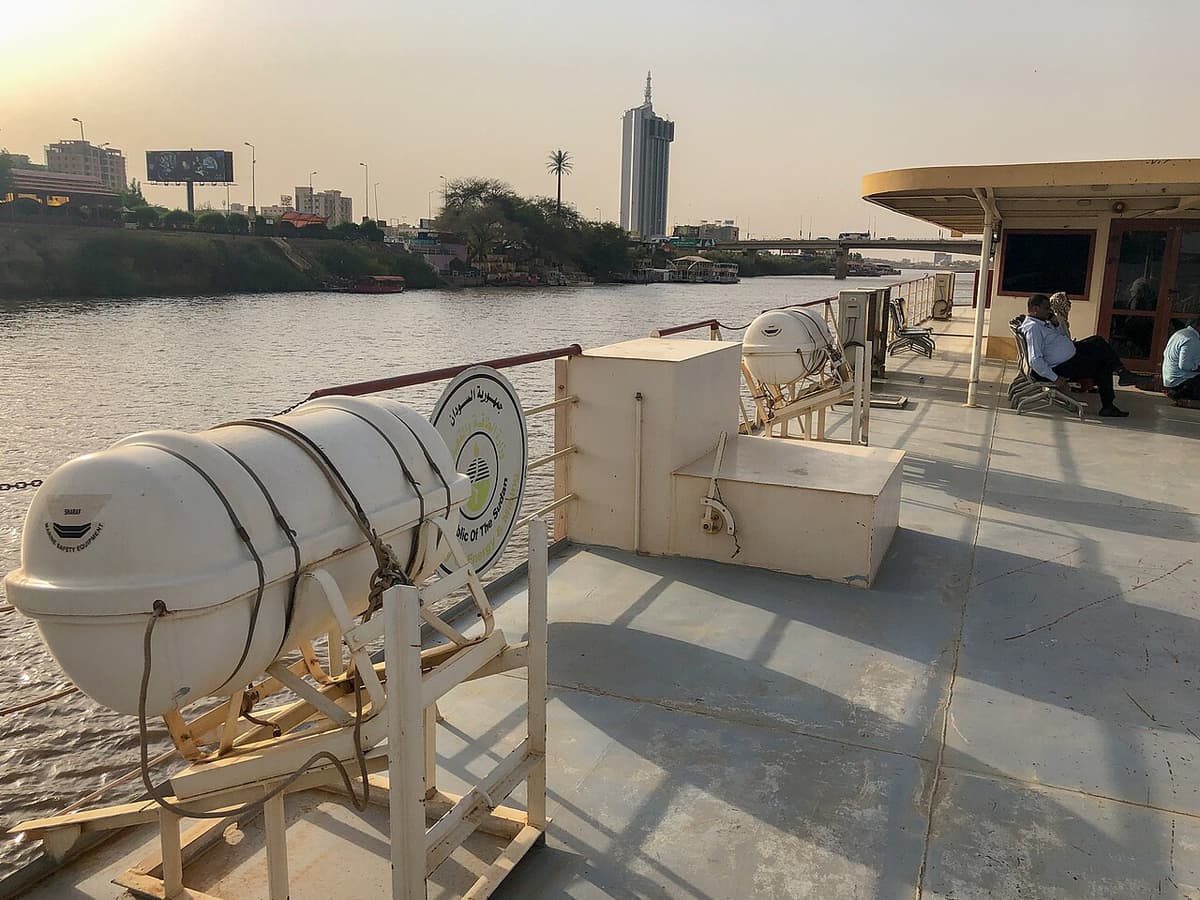
Sécurité - 4 juillet 2026
L’égalité citoyenne considérée comme la clé de la stabilité durable du Soudan
KHARTOUM, le 4 juillet 2026 - Pour construire un Soudan stable et pacifique, il faudra résoudre la crise d'identité de longue date du pays par le biais d'une citoyenneté égale, d'une gouvernance inclusive et d'institutions nationales plus fortes, selon une analyse politique examinant les racines des conflits récurrents au Soudan.
L’analyse soutient que les divisions ethniques et les rivalités idéologiques sont restées les principaux moteurs de l’instabilité politique depuis l’indépendance, façonnant les coups d’État militaires, les rébellions armées et la compétition pour le pouvoir de l’État. Il affirme que chaque fois que l’appartenance ethnique ou l’idéologie devient la base de l’autorité politique, la cohésion nationale s’affaiblit et le risque de conflit violent augmente.
Malgré des décennies de transition politique et de conflit armé, les gouvernements successifs n’auraient pas réussi à établir un système de gouvernance garantissant l’égalité des citoyens et une participation équitable à toutes les communautés. En conséquence, de nombreux Soudanais continuent de s’identifier plus étroitement à leurs groupes tribaux ou ethniques qu’à l’État, ce qui reflète une confiance limitée dans les institutions nationales.
Avec plus de 300 groupes ethniques à travers le pays, le Soudan continue de faire face à des défis pour concilier diversité culturelle et unité nationale. L'analyse note que l'accès inégal à la représentation politique, aux opportunités économiques et aux institutions publiques a contribué à des griefs persistants et à des perceptions variables de la citoyenneté parmi les différentes communautés.
Trois grandes formes de conflits liés à l’identité sont mises en évidence. La première découle de la compétition idéologique entre mouvements politiques cherchant à façonner l’État selon leurs visions respectives. La seconde se concentre sur les demandes d'une plus grande inclusion politique, d'un partage équitable du pouvoir et d'une reconnaissance de la diversité culturelle du Soudan. Le troisième implique des conflits motivés par la domination ethnique, le contrôle territorial et le changement démographique, que l’analyse décrit comme constituant la plus grande menace pour la stabilité à long terme.
Selon l'analyse, bon nombre des conflits majeurs du Soudan ont été présentés comme des luttes politiques tout en étant profondément influencés par des divisions ethniques ou idéologiques. Il soutient que la guerre qui a débuté en avril 2023 a mis en évidence ces tensions sous-jacentes, l’identité devenant un facteur de plus en plus important dans le conflit.
Le document compare également le conflit actuel avec les périodes de violence précédentes, notant à la fois les similitudes et les différences dans la nature de la violence basée sur l'identité et les objectifs des acteurs armés. Il affirme que la guerre actuelle a intensifié les inquiétudes concernant la violence ethnique, les déplacements et les changements démographiques dans plusieurs régions du pays.
L'analyse conclut qu'une paix durable au Soudan dépendra de la construction d'un État fondé sur l'égalité des citoyens, l'État de droit et une participation politique inclusive. Il affirme que la résolution de la crise d'identité du pays par une réforme institutionnelle progressive et une réconciliation nationale sera essentielle pour prévenir de futurs conflits et renforcer la stabilité à long terme.
À lire aussi
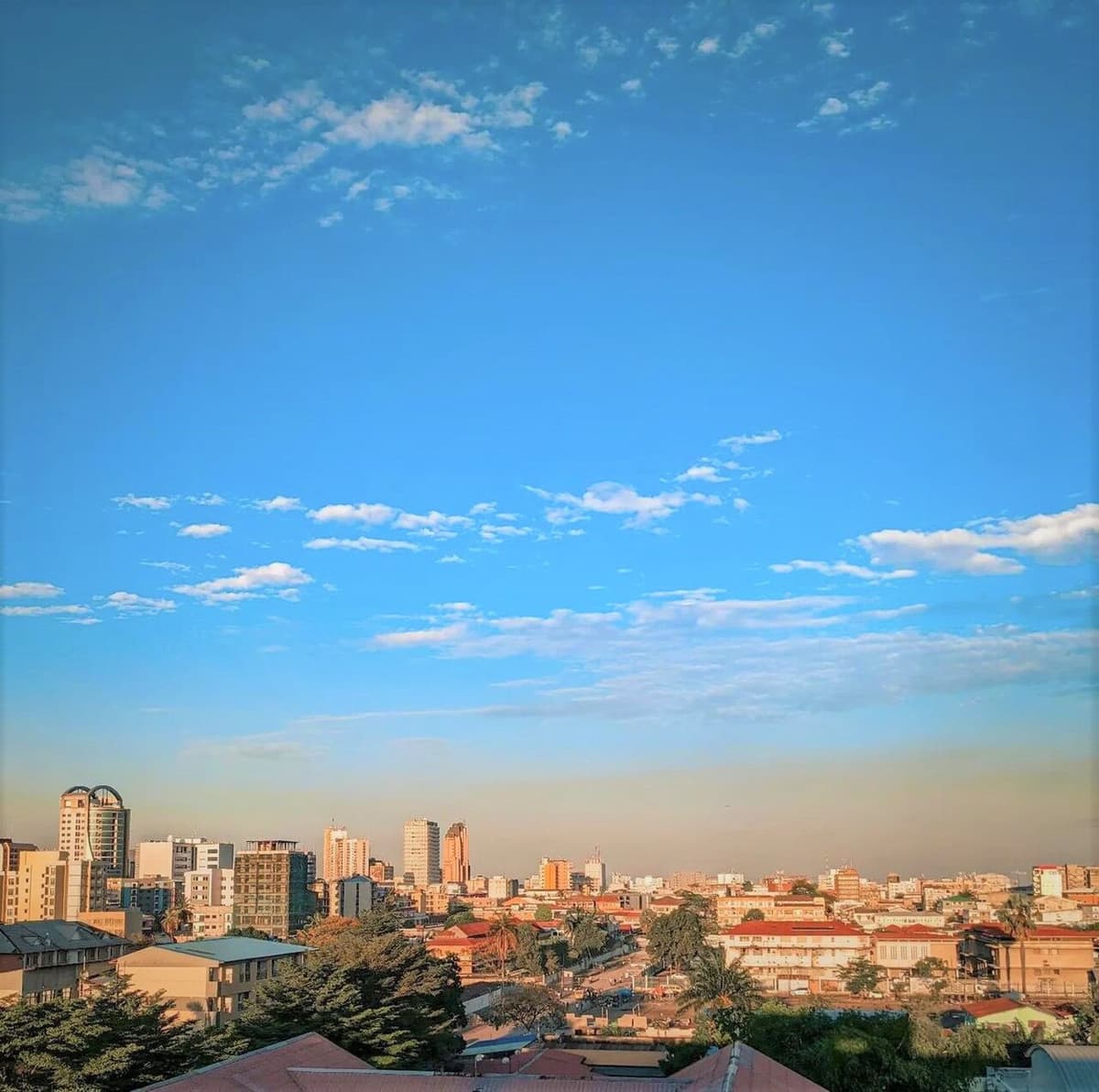
Sécurité - 31 août 2026
RDC et Congo-Brazzaville s'efforcent de désamorcer le conflit frontalier sur le fleuve Congo
Kinshasa, le 31 août 2026 - La RDC et le Congo-Brazzaville ont agi pour contenir les tensions après un affrontement mortel du 28 août entre les troupes des FARDC et les forces du Congo-Brazzaville sur le fleuve Congo…
Par Amina Kabasele - 3 min de lecture
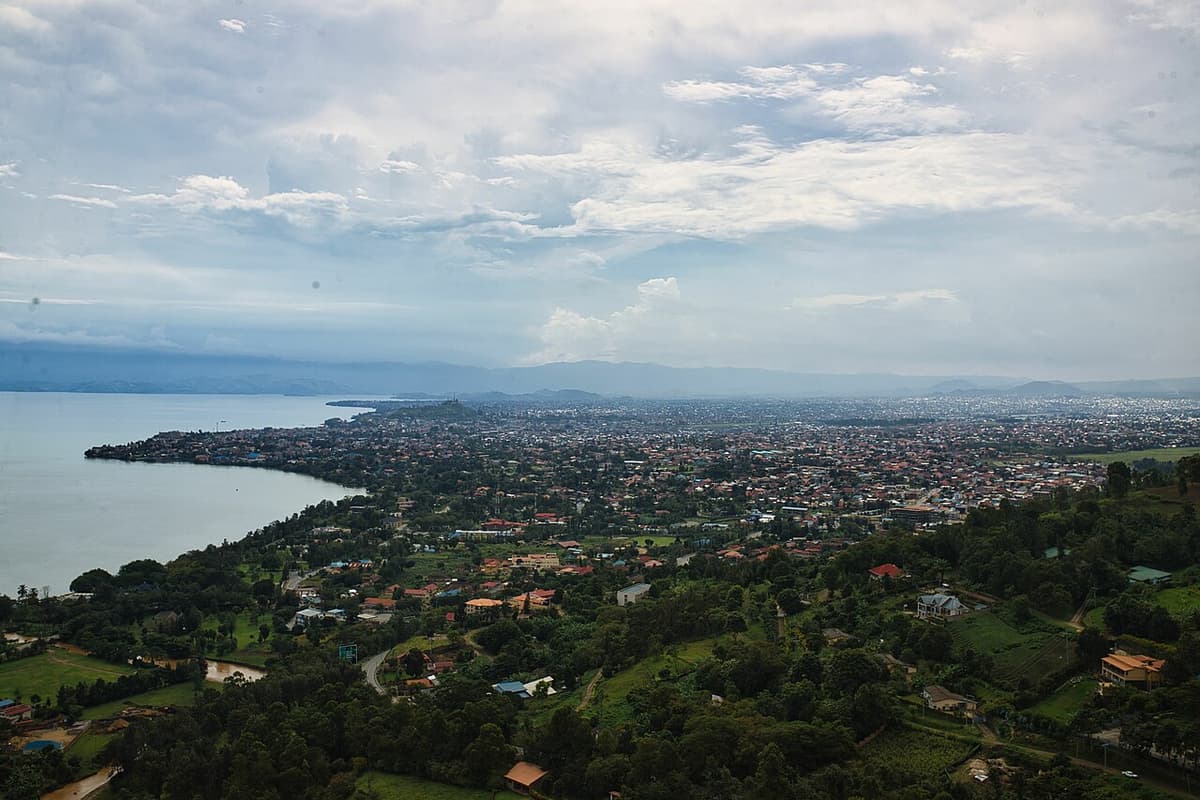
Sécurité - 31 août 2026
Des villages de Walikale vidés alors que les combats se propagent dans l'est de la RDC
Goma, le 31 août 2026 - Plusieurs villages du groupement Waloa Loanda de Walikale ont été vidés alors que les combats entre l'armée et les forces AFC/M23 se sont étendus des zones voisines de Masisi et Kalehe…
Par Amina Kabasele - 3 min de lecture
Sécurité - 31 août 2026
Le gouvernement affirme que l'armée bloque l'expansion de l'AFC/M23 au Kivu
Kinshasa, le 31 août 2026 - Le gouvernement a déclaré que les FARDC faisaient systématiquement échouer les tentatives de l'AFC/M23 d'occuper de nouveaux territoires dans les Kivus, alors que les combats se poursuivaient…
Par Amina Kabasele - 3 min de lecture