
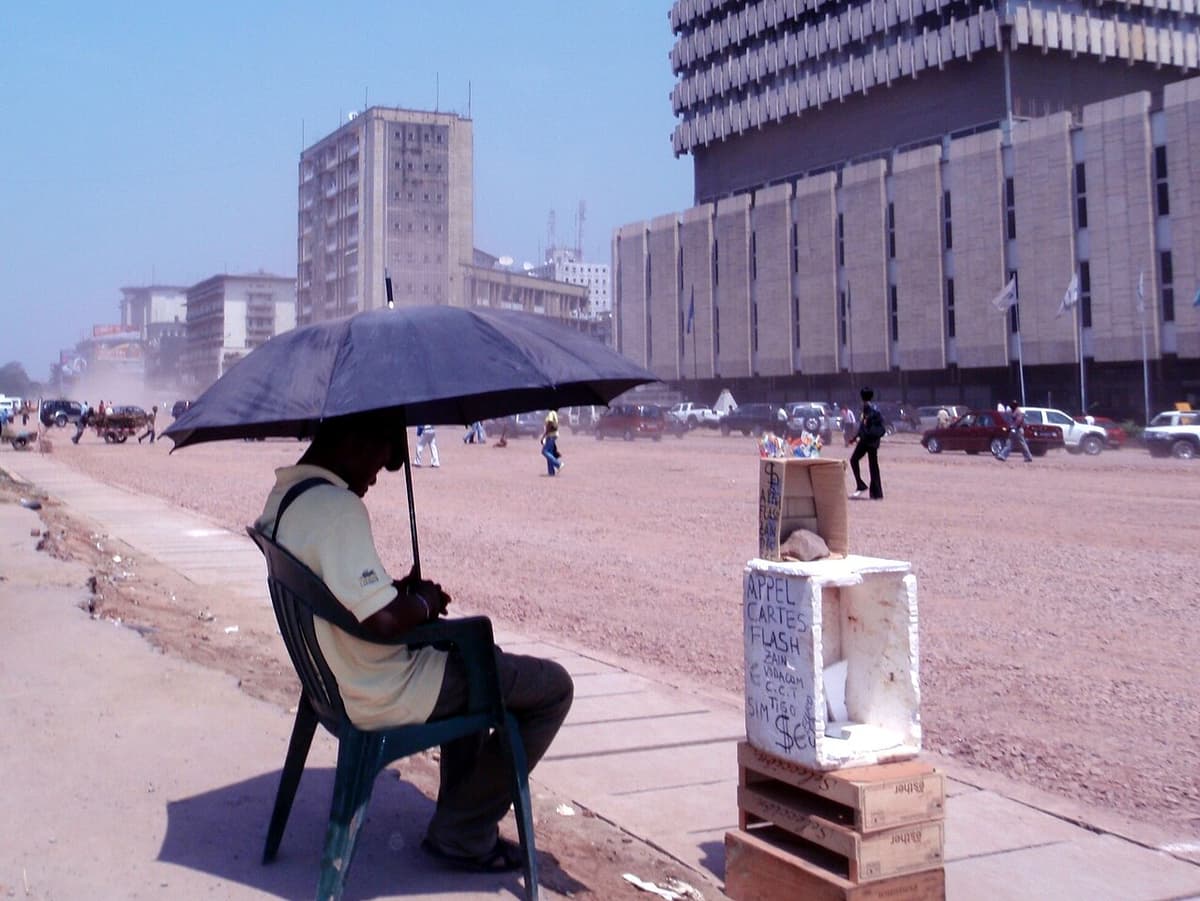
Sécurité - 28 novembre 2025
RDC : Samuel Mbemba appelle les employeurs à respecter les droits des travailleurs avant les fêtes
Kinshasa, le 28 novembre 2025 - À l'approche de la saison des fêtes, le ministre des Droits humains, Samuel Mbemba, a appelé les employeurs à garantir le paiement à temps des salaires et des prestations sociales dans une déclaration publiée le lundi 24 novembre 2025.
Il a rappelé aux employeurs que le Code du travail congolais - en particulier l'article 7, paragraphe h, et l'article 99 - garantit une rémunération régulière, permettant aux travailleurs de célébrer Noël et le Nouvel An avec dignité.
Soulignant l'engagement du gouvernement en matière de protection sociale, le ministre a également annoncé la création d'un programme d'assistance, effectif à partir du 6 janvier 2026, pour soutenir les travailleurs victimes de violations de droits. Cette initiative vise à renforcer l'équité, la responsabilité et le respect des droits fondamentaux des travailleurs au sein des entreprises congolaises.
La seconde moitié de novembre 2025 présente une dichotomie frappante pour la République Démocratique du Congo : une nation réalisant des avancées significatives en diplomatie internationale et en diversification économique, tout en luttant contre une crise de sécurité qui se détériore dans ses provinces orientales.
Crise de sécurité et humanitaire Malgré les efforts diplomatiques via les processus de Washington et de Doha, la situation sécuritaire dans l'est de la RDC reste critique. Les accords de cessez-le-feu ont rencontré de graves défis, la coalition AFC/M23 étendant son contrôle à Masisi et au Sud-Kivu, établissant des administrations parallèles et déplaçant des milliers de civils. Le coût humanitaire est écrasant, avec plus de 19 millions de personnes en détresse dans la région et les agences d'aide faisant face à des contraintes financières. Bien que les FARDC aient renforcé leurs capacités grâce au financement de l'Union européenne et à de nouvelles nominations de magistrats militaires, la violence persistante des groupes armés comme les ADF et le M23 continue de représenter la menace la plus mortelle pour la population.
Diplomatie et diversification économique En revanche, Kinshasa a réussi à poursuivre une stratégie agressive de diversification économique et de partenariat international. Cette période a été marquée par la signature de six accords bilatéraux majeurs avec le Qatar, y compris un portefeuille d'investissement de 21 milliards de dollars. De plus, le lancement d'un partenariat commercial avec le Royaume-Uni et le renforcement des liens avec la Serbie signalent un effort concerté pour réduire la dépendance aux exportations de minéraux bruts et renforcer les chaînes de valeur locales. Sur le plan national, le projet de budget 2026 du gouvernement reflète ces priorités, allouant des ressources significatives à la sécurité, aux infrastructures et à la protection sociale.
Gouvernance et justice En interne, la RDC navigue dans un paysage politique complexe. Les tensions entre les assemblées provinciales et les exécutifs ont augmenté, comme en témoignent les motions de censure dans des provinces comme la Mongala et le Haut-Uele. Cependant, le gouvernement a montré un engagement ferme envers la justice et la responsabilité historique, notamment à travers la campagne pour la reconnaissance du génocide congolais, soutenue par des dénominations religieuses et des institutions africaines. La poursuite rapide dans l'affaire du vol de Rawbank et le procès des groupes armés à Walikale démontrent une volonté de lutter contre l'impunité et de restaurer l'autorité de l'État.
Perspectives Alors que la RDC approche de la fin de l'année 2025, la nation se trouve à un carrefour décisif. L'avenir immédiat sera probablement défini par la capacité du gouvernement à traduire les succès diplomatiques et économiques en améliorations concrètes de la sécurité sur le terrain. Tous les regards seront tournés vers la prochaine réunion de suivi de haut niveau prévue pour le 17 janvier 2026 au Togo, qui constitue un test crucial pour la consolidation de la paix dans la région des Grands Lacs.
À lire aussi
Sécurité - 31 août 2026
RDC et Congo-Brazzaville s'efforcent de désamorcer le conflit frontalier sur le fleuve Congo
Kinshasa, le 31 août 2026 - La RDC et le Congo-Brazzaville ont agi pour contenir les tensions après un affrontement mortel du 28 août entre les troupes des FARDC et les forces du Congo-Brazzaville sur le fleuve Congo…
Par Amina Kabasele - 3 min de lecture
Sécurité - 31 août 2026
Des villages de Walikale vidés alors que les combats se propagent dans l'est de la RDC
Goma, le 31 août 2026 - Plusieurs villages du groupement Waloa Loanda de Walikale ont été vidés alors que les combats entre l'armée et les forces AFC/M23 se sont étendus des zones voisines de Masisi et Kalehe…
Par Amina Kabasele - 3 min de lecture
Sécurité - 31 août 2026
Le gouvernement affirme que l'armée bloque l'expansion de l'AFC/M23 au Kivu
Kinshasa, le 31 août 2026 - Le gouvernement a déclaré que les FARDC faisaient systématiquement échouer les tentatives de l'AFC/M23 d'occuper de nouveaux territoires dans les Kivus, alors que les combats se poursuivaient…
Par Amina Kabasele - 3 min de lecture