
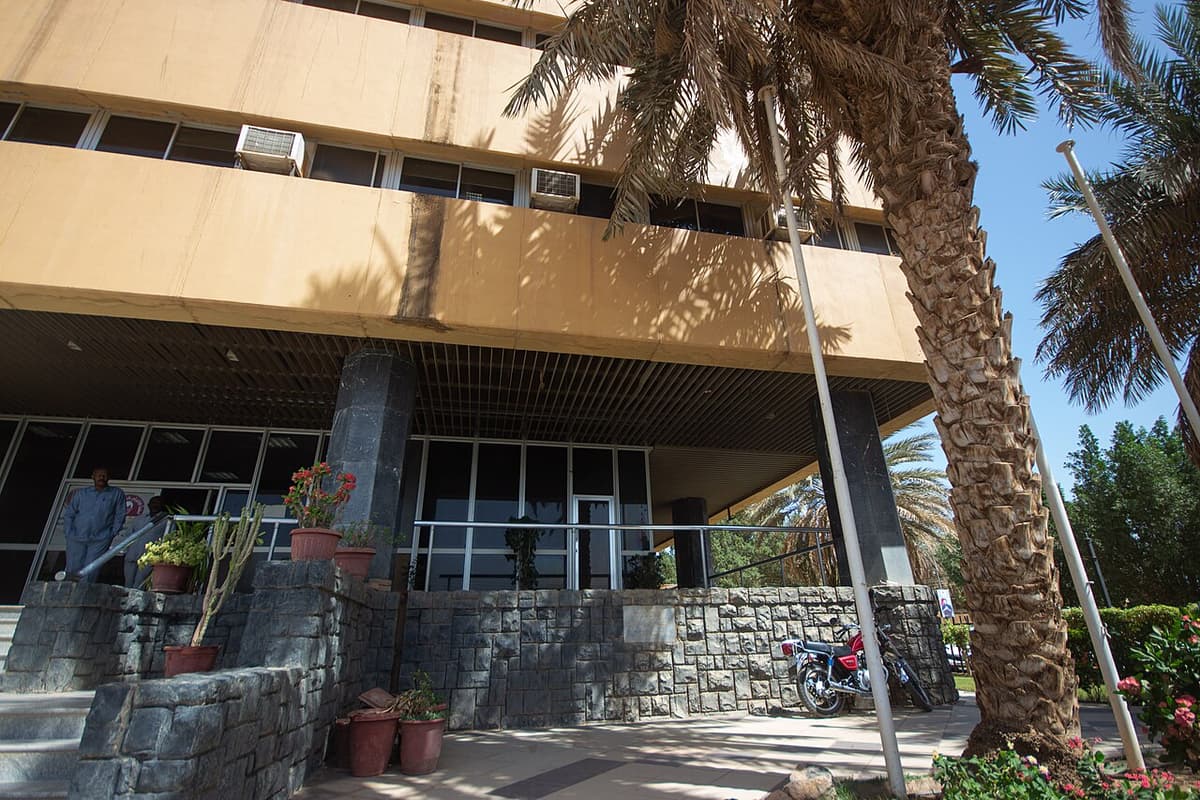
Économie - 20 avril 2026
La première euro-obligation « Mbote » de la RDC marque une percée de 1,25 milliard de dollars sur les marchés mondiaux
Kinshasa, le 20 avril 2026 - Kinshasa, du 9 au 14 avril 2026 - La République démocratique du Congo a réalisé une entrée historique sur les marchés de capitaux internationaux avec l'émission réussie de sa première euro-obligation, levant 1,25 milliard de dollars dans le cadre d'une transaction que les responsables décrivent comme une étape majeure dans la transformation économique du pays.
L'opération, menée sous la houlette du président Félix Antoine Tshisekedi Tshilombo et coordonnée par l'intermédiaire du ministère des Finances dirigé par Doudou Fwamba, a été présentée à la fois comme une avancée financière et un signal d'amélioration de la crédibilité souveraine sur les marchés mondiaux.
Baptisée « Mbote », l'émission a suscité un vif intérêt des investisseurs, avec une demande totale dépassant 5,3 milliards de dollars, soit plus de quatre fois le montant levé. Il était structuré en deux tranches, comprenant 600 millions de dollars sur cinq ans à 8,75 % et 650 millions de dollars sur dix ans à 9,00 %.
Les responsables gouvernementaux ont déclaré que cette demande excessive reflète la confiance internationale croissante dans la gestion macroéconomique et la trajectoire de réforme du pays, soutenue par une discipline budgétaire améliorée et des indicateurs économiques stabilisés.
Avant cette émission, les autorités ont organisé des tournées de présentation des investisseurs dans les principaux centres financiers, notamment à Washington, New York, Londres et Paris, pour présenter les perspectives économiques du pays, son programme de réformes et ses priorités de développement.
Les recettes seront affectées à des projets d'infrastructures prioritaires dans le cadre du programme national de développement 2024-2028, notamment la modernisation de l'aéroport international de N'djili, la construction du barrage hydroélectrique de Katende et l'amélioration des infrastructures de transport interprovincial visant à stimuler la mobilité urbaine et l'intégration économique.
La transaction a été soutenue par un consortium bancaire international comprenant Citigroup et Standard Chartered Bank, aux côtés de l'institution locale Rawbank, qui a participé à la structuration et à la coordination.
Les responsables ont souligné que l'euro-obligation reflète également une amélioration plus large de la stabilité macroéconomique, avec une inflation contenue à environ 2,3 %, une dette publique estimée à environ 18 % du PIB et une croissance moyenne d'environ 7 % ces dernières années. Ils ont ajouté que les réserves restent suffisantes pour couvrir au moins trois mois d'importations, renforçant ainsi la stabilité extérieure.
Les autorités financières ont décrit cette émission comme une reconnaissance d’une meilleure perception du crédit souverain, attribuant les progrès aux réformes mises en œuvre depuis 2019. Elles ont également souligné la position stratégique du pays dans les chaînes d’approvisionnement mondiales en minéraux, en particulier en cobalt, en cuivre et d’autres ressources critiques.
Dans ses remarques après l'émission, le ministre des Finances a décrit l'opération comme un signal de confiance du marché international dans les réformes du pays, soulignant que les fonds serviront de levier pour le développement à long terme plutôt que pour les besoins de financement à court terme.
Avec cette première euro-obligation, la RDC rejoint un groupe sélectionné d'émetteurs africains sur les marchés mondiaux des capitaux, se positionnant pour élargir l'accès au financement tout en renforçant son profil parmi les investisseurs internationaux.
À lire aussi

Économie - 31 août 2026
Le Rwanda récupère des parcelles industrielles non développées pour améliorer l'utilisation des terres
Kigali, le 31 août 2026 - Le Rwanda a récupéré 15 parcelles industrielles supplémentaires auprès d'investisseurs qui n'ont pas réussi à les développer dans les délais convenus, renforçant ainsi la volonté du…
Par Jean-Marc Okito - 2 min de lecture
Économie - 31 août 2026
Les coûts élevés et le manque d'informations ralentissent l'adoption de l'énergie solaire chez les agriculteurs
Kampala, le 31 août 2026 - Les coûts initiaux élevés et le manque d'informations freinent l'adoption des technologies solaires chez les petits agriculteurs ougandais, limitant la productivité et la gestion post-récolte.
Par Jean-Marc Okito - 3 min de lecture
Économie - 31 août 2026
La fermeture de la cafétéria du Parlement expose un différend sur un contrat de nourriture de 2 milliards de Shs
Kampala, le 31 août 2026 - Un différend sur un contrat de restauration du Parlement d'une valeur comprise entre 1,3 milliard et 2 milliards de Shs a perturbé les services de la cafétéria pour les législateurs et le…
Par Jean-Marc Okito - 2 min de lecture