
Sécurité - 14 juillet 2026
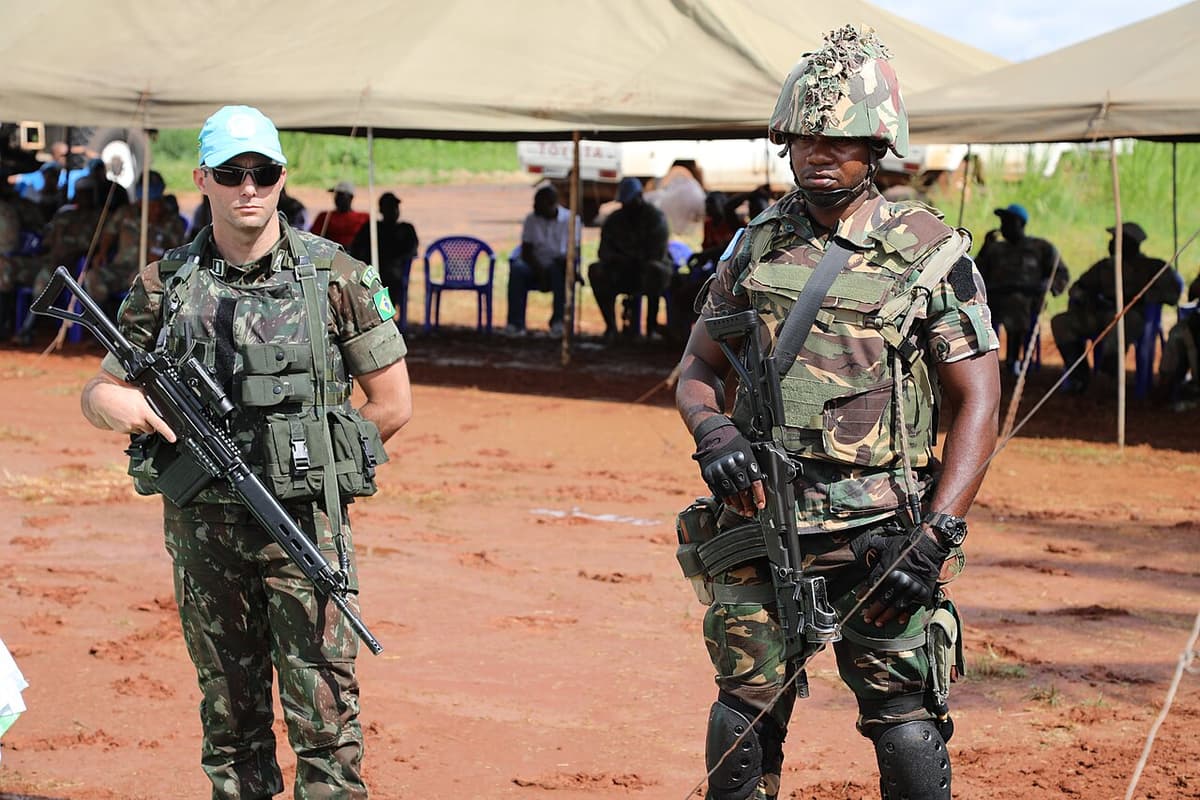
Un législateur de la RDC appelle à un plus grand soutien militaire pour mettre fin à la violence des ADF à Beni
Kinshasa, le 14 juillet 2026 - Le député Enock Batsotsi Nyamwisi a appelé à un soutien financier et logistique accru aux Forces armées de la République démocratique du Congo (FARDC), arguant que des ressources durables sont essentielles pour vaincre les Forces démocratiques alliées (ADF) et mettre fin aux violences persistantes à Beni et dans les environs.
Cet appel est intervenu lors d'une rencontre à Kinshasa avec le général Jacques Ychaligonza Nduru, chef d'état-major adjoint des FARDC chargé des opérations et du renseignement. Les discussions ont porté sur les opérations militaires en cours contre les ADF, dont les attaques continuent de causer des victimes civiles et de l'insécurité au Nord-Kivu.
Représentant le territoire de Beni, Batsotsi a fait part des préoccupations des communautés locales touchées par des attaques répétées et a exhorté le gouvernement à garantir que les opérations militaires soient soutenues par un financement, une logistique et une infrastructure adéquats.
Il a souligné que les campagnes militaires ne peuvent réussir sans des ressources opérationnelles suffisantes, exprimant sa confiance dans le fait que le gouvernement fournirait à l'armée le soutien nécessaire pour soutenir les opérations sur le terrain.
Au cours de la réunion, le général Ychaligonza aurait présenté la mise en œuvre d'un plan opérationnel interprovincial intégré conçu pour renforcer la coordination entre les forces de sécurité dans les provinces touchées par les activités des ADF. La stratégie vise à améliorer les opérations militaires conjointes et à renforcer les efforts visant à neutraliser le groupe armé.
Selon le législateur, l'officier supérieur militaire a également réaffirmé l'engagement de l'état-major, sous la direction du président Félix Tshisekedi, à restaurer l'intégrité territoriale du pays et à faire face aux menaces sécuritaires persistantes.
Batsotsi a en outre souligné l'importance de renforcer la coopération entre les civils et les militaires, décrivant le soutien du public comme un élément clé dans les efforts visant à combattre à la fois l'insurrection des ADF et les défis sécuritaires plus larges dans l'est de la RDC.
Il a également appelé à une discipline militaire plus stricte, critiquant l'existence de points de contrôle illégaux qui auraient été établis par certains militaires dans les zones opérationnelles. De telles pratiques, a-t-il soutenu, restreignent les mouvements des civils et sapent la confiance du public dans les forces armées, soulignant que le professionnalisme et la discipline restent essentiels au succès des opérations militaires contre les groupes armés.
Conclusion
La première quinzaine de juillet 2026 souligne les défis complexes et multiformes auxquels est confrontée la République démocratique du Congo, révélant un écart persistant entre les avancées diplomatiques notables, les réformes institutionnelles et les difficiles réalités qui se déroulent sur le terrain.
Sur la scène internationale, la RDC a continué de renforcer sa position diplomatique en tirant parti de sa présidence tournante du Conseil de sécurité des Nations Unies pour faire avancer les discussions sur les violences sexuelles liées aux conflits et promouvoir la gouvernance des ressources naturelles comme pilier clé d'une paix durable. Au niveau national, Kinshasa a poursuivi sa consolidation institutionnelle à travers des réformes visant à renforcer les mécanismes anti-corruption, à améliorer la transparence financière avec l'intégration stratégique du CENAREF dans le Groupe Egmont et à promouvoir la participation économique à travers la mise en œuvre de la loi sur le contenu local.
Néanmoins, ces avancées politiques et diplomatiques restent éclipsées par la détérioration de la situation sécuritaire et humanitaire dans l’est de la RDC. Malgré les efforts de médiation en cours, notamment dans le cadre du processus de paix de Doha et de l’Accord de Washington, la violence armée continue de s’intensifier, l’AFC/M23 conservant son influence territoriale grâce à un soutien extérieur et bénéficiant de réseaux de minerais illicites opérant au-delà des frontières. Les tensions internes au sein du mouvement, combinées à l'activité continue d'autres groupes armés tels que les ADF, compliquent encore davantage les efforts visant à restaurer la stabilité, tandis que les civils restent exposés aux déplacements, aux violations des droits humains et aux urgences de santé publique, notamment l'épidémie actuelle d'Ebola.
Dans le même temps, la RDC a continué de renforcer son image d’acteur stratégique dans la gouvernance mondiale du climat et des ressources, soulignant son rôle de « pays de solution » à travers des initiatives axées sur la conservation des forêts, l’exploitation minière durable et le développement énergétique. Cependant, traduire cette reconnaissance internationale en une transformation nationale durable reste le défi central.
En fin de compte, la première quinzaine de juillet démontre que la trajectoire future de la RDC dépendra de sa capacité à combler le fossé entre les engagements diplomatiques et les réalités du terrain. Une paix et un développement durables nécessiteront non seulement des capacités de sécurité plus fortes et une application efficace de l’autorité de l’État, mais aussi des réformes plus profondes en matière de gouvernance, une gestion responsable des ressources naturelles et une confiance renouvelée entre les institutions, les communautés et les partenaires internationaux.
Par Jeff Buleli
À lire aussi
Sécurité - 31 août 2026
RDC et Congo-Brazzaville s'efforcent de désamorcer le conflit frontalier sur le fleuve Congo
Kinshasa, le 31 août 2026 - La RDC et le Congo-Brazzaville ont agi pour contenir les tensions après un affrontement mortel du 28 août entre les troupes des FARDC et les forces du Congo-Brazzaville sur le fleuve Congo…
Par Amina Kabasele - 3 min de lecture
Sécurité - 31 août 2026
Des villages de Walikale vidés alors que les combats se propagent dans l'est de la RDC
Goma, le 31 août 2026 - Plusieurs villages du groupement Waloa Loanda de Walikale ont été vidés alors que les combats entre l'armée et les forces AFC/M23 se sont étendus des zones voisines de Masisi et Kalehe…
Par Amina Kabasele - 3 min de lecture
Sécurité - 31 août 2026
Le gouvernement affirme que l'armée bloque l'expansion de l'AFC/M23 au Kivu
Kinshasa, le 31 août 2026 - Le gouvernement a déclaré que les FARDC faisaient systématiquement échouer les tentatives de l'AFC/M23 d'occuper de nouveaux territoires dans les Kivus, alors que les combats se poursuivaient…
Par Amina Kabasele - 3 min de lecture