

Politique - 8 mars 2026
La RDC accueille 2 500 nouveaux magistrats pour renforcer l’État de droit
Kinshasa, le 23 février 2026 - La République démocratique du Congo a officiellement intronisé 2 500 nouveaux magistrats au sein de la justice nationale, samedi 21 février 2026, lors d'une cérémonie tenue à la salle des congrès du Palais du Peuple à Kinshasa. L'événement a marqué la conclusion d'un programme de formation intensif de trois mois visant à améliorer l'efficacité, l'éthique, la compétence et la conduite professionnelle des magistrats avant leur déploiement à travers le pays.
Le ministre de la Justice et garde des Sceaux, Guillaume Ngefa, a souligné que cette initiative représente une étape cruciale dans le renforcement de l'État de droit. "Un magistrat n'est ni un instrument des puissants, ni un otage de l'émotion, ni un prisonnier de convictions personnelles. Il est un serviteur impartial de la loi, tenu à une stricte neutralité et à une égale distance avec toutes les parties", a-t-il déclaré.
Cette promotion vient compléter la première cohorte de magistrats, déjà en poste depuis 2023, tous diplômés du concours national organisé en octobre 2022 et baptisé promotion « Etat de droit ».
Lors de son allocution, le ministre Ngefa a rappelé aux nouveaux magistrats le poids de leurs responsabilités : "Dans l'exercice de vos fonctions, vous serez appelés à statuer sur les questions de liberté, de droits, de propriété et d'honneur des justiciables. Ces pouvoirs vous sont délégués par la nation, dans les limites fixées par la Constitution et les lois de la République."
Il a souligné que l'intégrité et la probité ne sont pas de simples vertus personnelles, mais des conditions préalables fondamentales à la confiance du public dans le système judiciaire. L'indépendance, a-t-il ajouté, n'est pas un privilège mais une garantie institutionnelle qui protège les citoyens contre l'arbitraire du pouvoir.
"Vous ferez face à des pressions, des tentatives d'influence, voire des menaces, mais ces défis ne peuvent justifier l'abandon des principes sur lesquels repose votre serment. La lutte contre la corruption, le trafic d'influence et les retards injustifiés est désormais à la fois une obligation professionnelle et une exigence de performance institutionnelle", a déclaré la ministre Ngefa.
Le ministre a également souligné la nécessité d'une transformation numérique, de procédures rationalisées, d'un traitement accéléré des dossiers et d'une prise de décision transparente en tant qu'éléments essentiels d'une gouvernance judiciaire moderne. « Les magistrats doivent être non seulement des praticiens du droit mais aussi des agents de transformation, faisant preuve de rigueur méthodologique, de décisions de qualité et du strict respect des délais légaux », a-t-il déclaré.
Le déploiement de ces 2 500 magistrats devrait répondre à des défis urgents dans plusieurs juridictions, y compris dans les opérations sur le terrain. Le ministre Ngefa a réaffirmé l’engagement du gouvernement à soutenir le pouvoir judiciaire avec les ressources matérielles et organisationnelles nécessaires pour garantir un fonctionnement efficace.
La Constitution de la RDC du 18 février 2006 garantit l'indépendance du pouvoir judiciaire par rapport aux pouvoirs législatif et exécutif, renforçant la séparation des pouvoirs comme pierre angulaire de la démocratie. Le Conseil supérieur de la magistrature, chargé de gérer les nominations, les promotions, les mesures disciplinaires et les fonctions consultatives, veille à la bonne mise en œuvre de ces principes.
« Le mandat est clair : construire un système judiciaire digne de la nation, protecteur des droits fondamentaux, ferme contre les violations et sensible aux attentes légitimes de la population », a conclu la ministre Ngefa.
À lire aussi
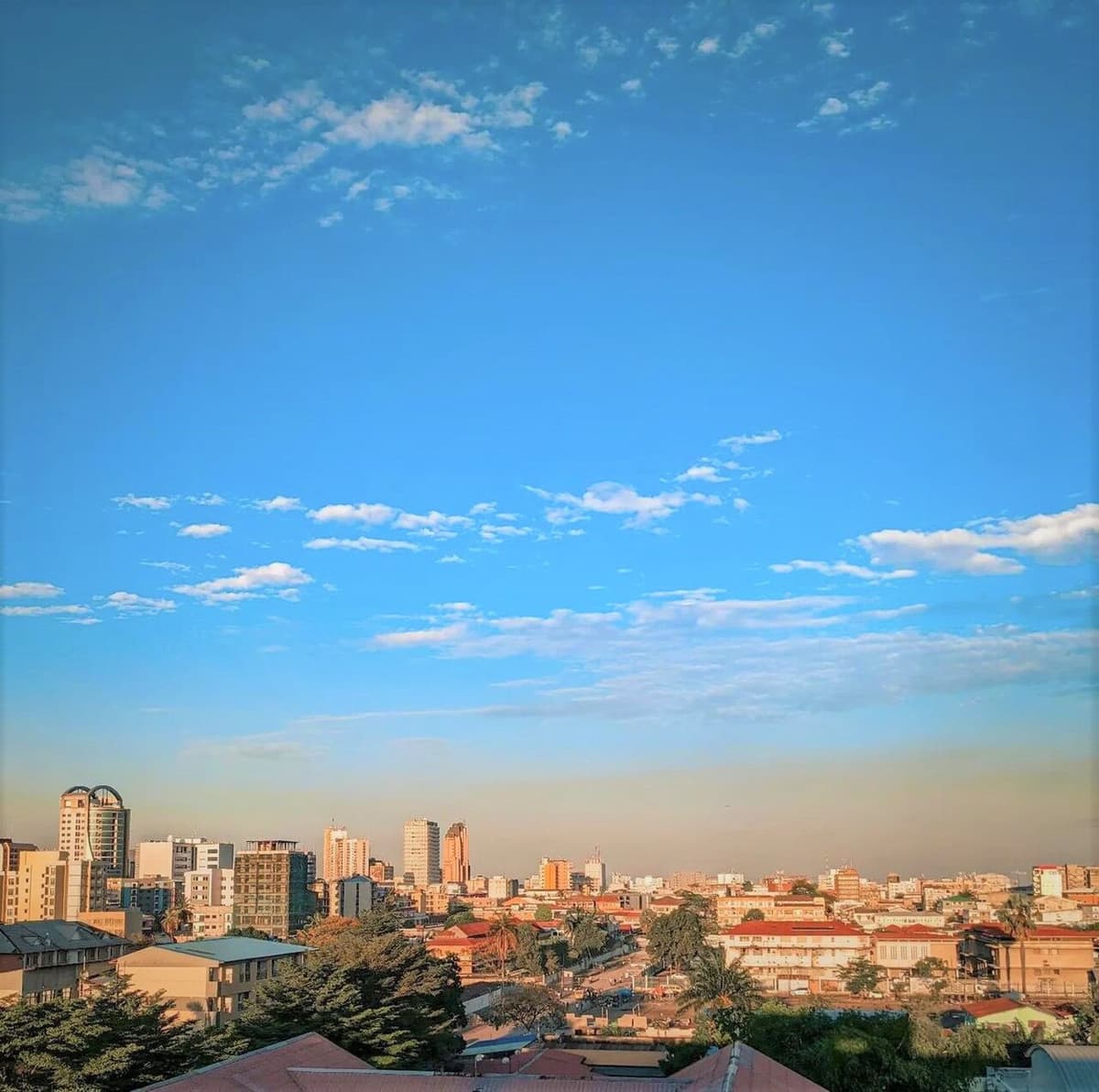
Politique - 31 août 2026
Le Président angolais met en garde contre le risque d'un conflit dans l'est de la RDC s'étendant à la région des Grands Lacs
Kinshasa, le 31 août 2026 - Le Président angolais Joao Lourenco a averti que le conflit de longue date dans l'est de la RDC pourrait avoir des répercussions dans la région des Grands Lacs, ajoutant un poids diplomatique…
Par Amina Kabasele - 3 min de lecture
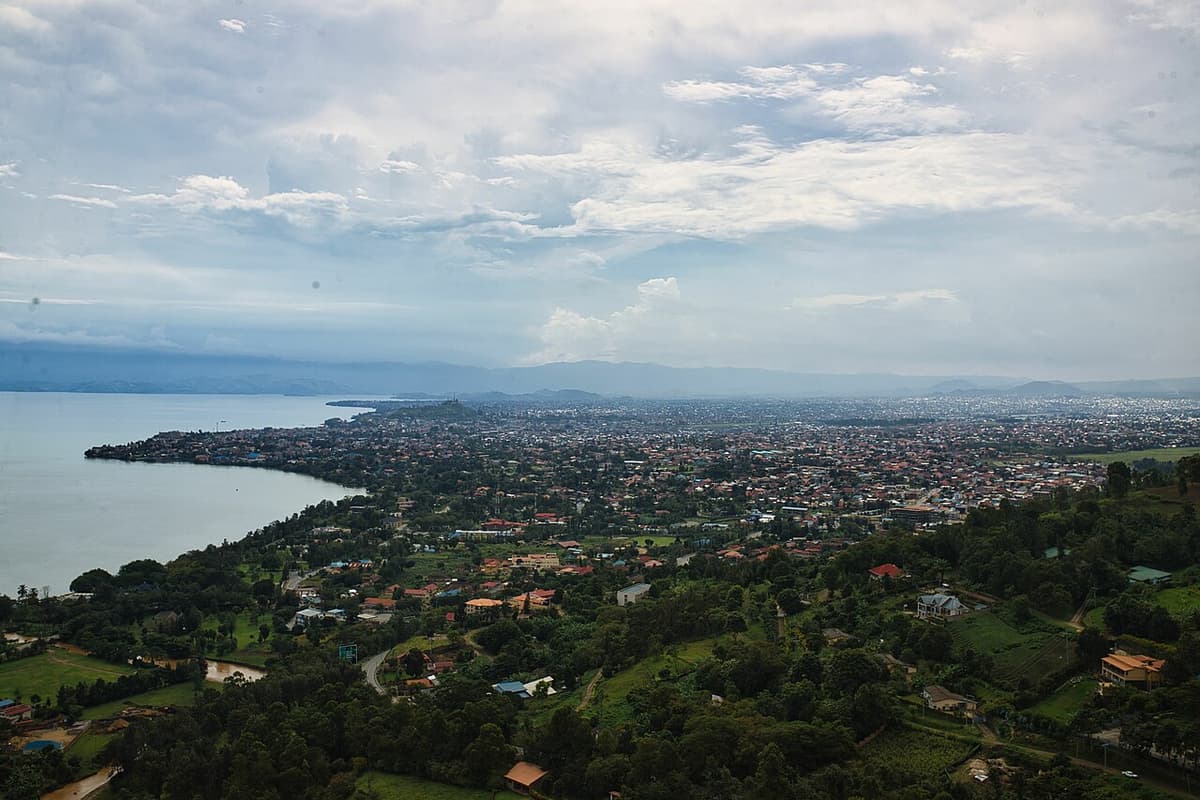
Politique - 31 août 2026
Le Rwanda rejette le cadrage ethnique des remarques du chef militaire ougandais
Kigali, le 31 août 2026 - Le Rwanda a réagi aux remarques sur les réseaux sociaux attribuées au chef des forces de défense de l'Ouganda, le général Muhoozi Kainerugaba, après que la porte-parole du gouvernement, Yolande…
Par Amina Kabasele - 2 min de lecture
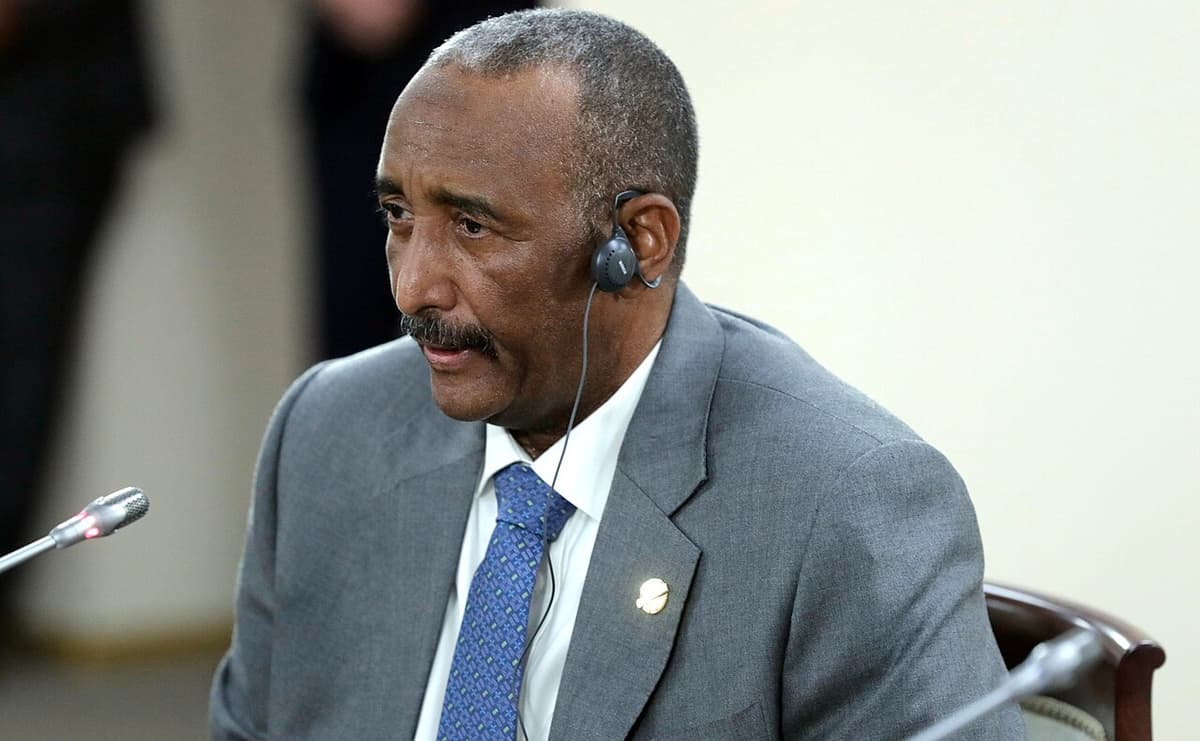
Politique - 31 août 2026
L'Union africaine soutient le plan de dialogue soudanais alors que des blocs civils s'y opposent
Khartoum, le 31 août 2026 - L'Union africaine a approuvé une nouvelle initiative de dialogue soudanais destinée à mettre fin à la guerre civile, mais d'importants groupes civils et politiques ont rejeté cette démarche…
Par Amina Kabasele - 2 min de lecture