
Culture - 8 février 2026
Réponse humanitaire en RDC recentrée sur 7,3 millions de personnes face à un financement de 1,4 milliard de dollars
Kinshasa, le 28 janvier 2026 - Face à un grave manque de financement, la communauté humanitaire en République Démocratique du Congo (RDC) a annoncé une répriorisation majeure de sa réponse pour 2026, ciblant 7,3 millions de personnes, soit moins de la moitié des près de 15 millions ayant un besoin critique. Le gouvernement et ses partenaires humanitaires ont lancé un appel urgent mercredi pour 1,4 milliard de dollars afin de répondre aux besoins humanitaires les plus pressants du pays.
Le plan révisé reflète une réduction nette par rapport à 2025, où 11 millions de personnes étaient ciblées. Selon des responsables humanitaires, ce changement représente une stricte priorisation des populations faisant face aux menaces les plus immédiates à leur survie, alors que le pays est confronté à un conflit armé persistant, à des déplacements massifs, à des chocs climatiques et à des épidémies récurrentes.
L'impact du sous-financement a déjà été sévère. En 2025, la réduction de la capacité opérationnelle a conduit à la fermeture de plus de 1 000 centres de nutrition, laissant plus de 390 000 enfants souffrant de malnutrition aiguë sévère sans soins essentiels. Environ 1,5 million de personnes ont perdu l'accès aux soins de santé primaires en raison de la fermeture d'établissements, de pénuries de médicaments et d'une réponse épidémique affaiblie. Les cibles d'assistance alimentaire mensuelle ont été réduites jusqu'à 73 %, exposant les communautés vulnérables à une faim et une privation accrues.
"La combinaison d'un besoin immense et de ressources limitées nous oblige à faire des choix extrêmement difficiles, parfois impossibles," a déclaré Bruno Lemarquis, Coordinateur humanitaire en RDC. "Nous appelons à des engagements financiers renouvelés et renforcés pour préserver des vies, la dignité et empêcher des millions de personnes d'être privées d'un soutien vital."
Le plan 2026 intervient dans un environnement humanitaire profondément perturbé, notamment au Nord-Kivu, au Sud-Kivu et en Ituri, où les combats intensifiés depuis janvier 2025 ont redéfini les besoins, perturbé les chaînes d'approvisionnement et imposé des contraintes administratives et sécuritaires croissantes. L'accès aux populations affectées est devenu de plus en plus dangereux et complexe.
M. Lemarquis a appelé à un changement de paradigme dans l'approche humanitaire. "L'assistance humanitaire sauve des vies, mais elle ne résout pas les causes profondes des crises," a-t-il déclaré. "La paix doit être au centre de nos efforts. Les solutions sont principalement politiques. Nous devons aller au-delà de la réaction constante et établir une culture d'anticipation et de prévention, tout en renforçant le Nexus Humanitaire-Développement-Paix pour un impact réel et durable."
Il a également salué la résilience et la solidarité des communautés congolaises, en particulier des familles d'accueil qui partagent des ressources rares avec les personnes déplacées, les décrivant comme la première ligne de défense humanitaire du pays. Il a souligné le rôle central du gouvernement dans la facilitation des opérations humanitaires sur le terrain.
Malgré son ampleur et sa durée, la crise humanitaire en RDC demeure l'une des plus prolongées et sous-financées au monde. Le Plan de Réponse Humanitaire 2025, budgété à 2,54 milliards de dollars, n'a été financé qu'à hauteur de 22 %, alors même que les besoins continuaient d'augmenter. Les pénuries de financement international, aggravées par des réductions récentes de l'assistance humanitaire de la part de donateurs clés, ont eu des conséquences particulièrement sévères dans l'est de la RDC.
Au niveau mondial, le plan humanitaire 2026 des Nations Unies cible 87 millions de personnes dans le monde et nécessite 23 milliards de dollars. Bien que des engagements majeurs aient été annoncés, les responsables humanitaires avertissent que sans un financement soutenu et prévisible, des millions de personnes vulnérables en RDC resteront sans assistance vitale.
À lire aussi

Culture - 27 avril 2026
Coopération en matière de déplacement des réfugiés au Sahel
Bamako, le 13 avril 2026 - La 14ème session de la Commission tripartite entre le Mali, le Burkina Faso et le Haut Commissariat des Nations Unies pour les réfugiés (HCR) s'est ouverte lundi à l'hôtel Salam de Bamako…
Par Sarah Ndaya - 3 min de lecture
Culture - 27 avril 2026
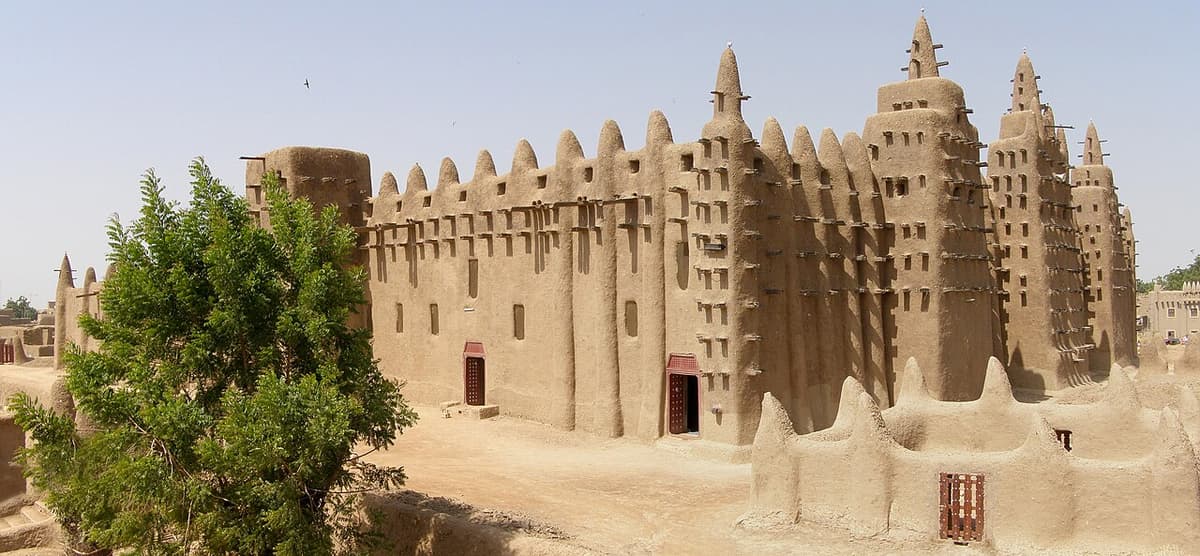
Réforme de l'éducation au Mali
Bamako, le 20 avril 2026 - Les autorités éducatives du Mali ont défini un ambitieux programme de réformes plaçant l'éducation au cœur de la souveraineté nationale, lors d'un échange avec la cinquième promotion de…
Par Amina Kabasele - 3 min de lecture
Culture - 27 avril 2026
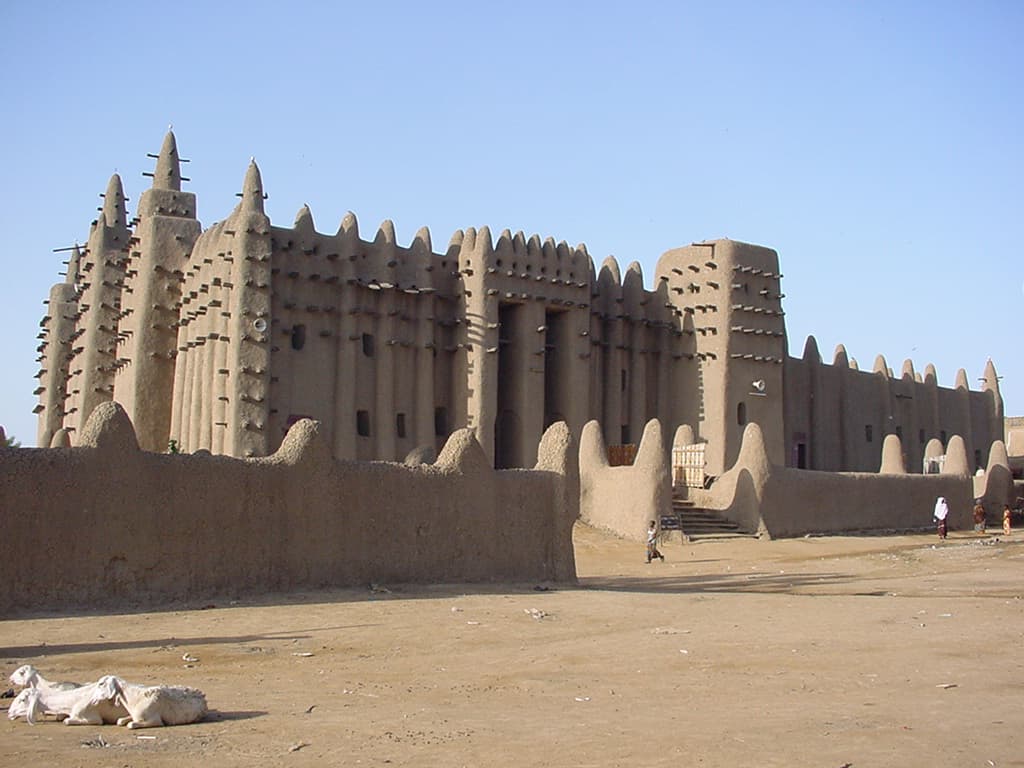
Patrimoine culturel et réconciliation au cœur de la 6e édition à venir
Bamako, le 14 avril 2026 - La promotion du patrimoine culturel et la réconciliation nationale ont été mises à l'honneur, mardi, alors que le ministre de l'Artisanat, de la Culture, de l'Hôtellerie et du Tourisme, Mamou…
Par Amina Kabasele - 3 min de lecture