
Société - 24 janvier 2026
La mission humanitaire du gouvernement de la RDC se rend en Tanzanie
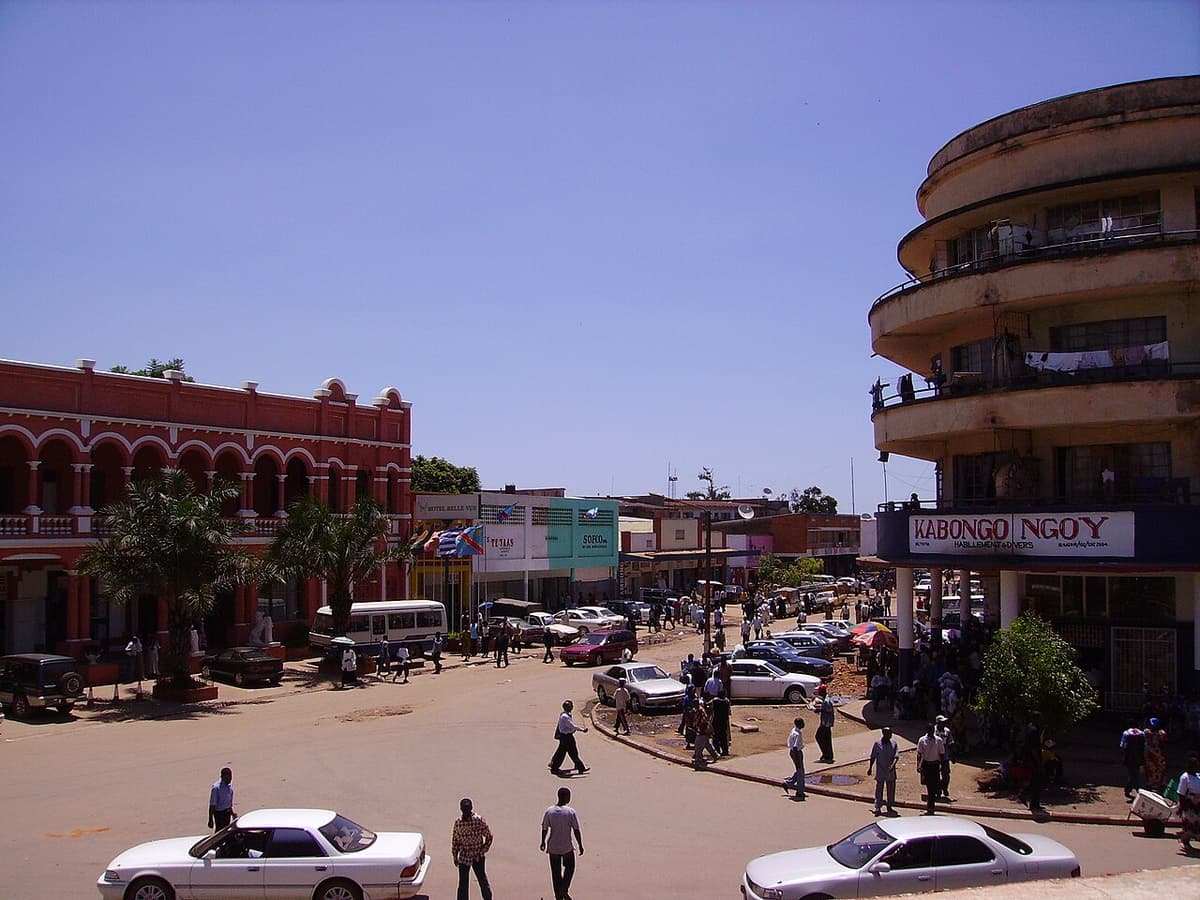
Dar es Salaam, le 12 janvier 2026 - La mission humanitaire de la République Démocratique du Congo (RDC) est arrivée à Dar es Salaam, en Tanzanie, le dimanche 11 janvier, marquant la deuxième étape de sa tournée régionale après le Burundi. La délégation est dirigée par Ève Bazaiba Masudi, ministre d'État en charge des Affaires sociales, de l'Action humanitaire et de la Solidarité nationale, et Crispin Mbadu Phanzu, ministre délégué à la Francophonie et à la Diaspora.
Cette mission fait suite aux décisions du Conseil des ministres après l'occupation d'Uvira dans le Sud-Kivu par l'AFC/M23, soutenue par le Rwanda. Ses objectifs incluent la livraison d'une aide humanitaire aux réfugiés congolais à Kigoma, le renforcement de la coordination avec les autorités tanzaniennes et burundaises, et la mobilisation des partenaires internationaux en réponse à la crise humanitaire régionale.
Ève Bazaiba a noté que plus de 67 000 Congolais avaient déjà reçu de l'aide sur le site de Busuma au Burundi, qualifiant cela d'acte de solidarité nationale. Elle a souligné que la mission de la délégation est d'apporter réconfort, espoir et soutien moral aux compatriotes déplacés au Burundi et en Tanzanie, tout en œuvrant pour le retour de la paix.
Malgré les conditions de vie difficiles dans les camps de déplacés, elle a insisté sur le fait que le gouvernement congolais ne ménagera aucun effort pour soutenir ses citoyens et reste pleinement engagé dans les processus de paix de Doha et de Washington. "Chaque minute qui passe aggrave la souffrance, non seulement pour le peuple congolais mais aussi pour les communautés d'accueil, la région et le monde", a-t-elle déclaré.
La situation humanitaire au Burundi continue de se détériorer suite à l'intensification des combats entre l'AFC/M23 et les forces gouvernementales congolaises dans l'est de la RDC, notamment après la chute d'Uvira. Ces affrontements ont provoqué des déplacements massifs, malgré le retrait annoncé des rebelles.
La situation a atteint un seuil critique, avec un afflux massif de réfugiés et de demandeurs d'asile fuyant la violence dans le Sud-Kivu. Depuis début décembre, plus de 84 000 personnes ont traversé la frontière vers le Burundi, portant le nombre total de réfugiés et de demandeurs d'asile congolais à plus de 200 000. Les centres de transit et les établissements informels sont sévèrement surpeuplés, certains atteignant près de 200 % de leur capacité, plongeant des centaines de familles dans une vulnérabilité extrême. Les pénuries d'eau potable, d'assainissement, d'abris, de nourriture et de médicaments augmentent le risque de choléra et d'autres maladies mortelles.
Pour alléger la pression, le gouvernement burundais a désigné un nouveau site d'accueil à Bweru, dans la province de Ruyigi Buhumuza, où près de 21 000 réfugiés ont été transférés. Cependant, les conditions restent difficiles, de nombreuses familles dormant encore à l'extérieur en raison d'un manque d'abris adéquats.
De l'autre côté de la frontière, dans le Sud-Kivu, la violence persistante, les frappes de drones et les bombardements ont contraint plus de 500 000 personnes à fuir leur domicile, beaucoup d'entre elles plusieurs fois cette année. Des dizaines d'écoles ont été transformées en abris surpeuplés, et les premiers cas de choléra ont été signalés. L'insécurité persistante continue de restreindre l'accès humanitaire, limitant la capacité des travailleurs humanitaires à atteindre les populations en détresse aiguë.
Cette détérioration humanitaire survient dans un contexte de controverse autour du retrait annoncé de l'AFC/M23 d'Uvira, que les autorités congolaises considèrent comme une tentative de détourner l'attention et de réduire la pression internationale, notamment sur Kigali, considéré comme le principal soutien de la rébellion. Sur le terrain, l'AFC/M23 continue de consolider son contrôle, établissant une administration parallèle au-delà de l'autorité de Kinshasa.
La chute d'Uvira, une ville stratégique du Sud-Kivu, a renforcé l'emprise de la rébellion sur le Nord et le Sud-Kivu, suscitant des craintes d'une avancée potentielle vers le Grand Katanga, considéré comme le cœur économique de la RDC.
À lire aussi
Société - 31 août 2026
L'interdiction de l'enseignement pendant les vacances divise parents et enseignants à l'échelle nationale
Kampala, le 31 août 2026 - Une interdiction gouvernementale de l'enseignement pendant les vacances a déclenché un débat national, mettant en lumière les tensions entre le bien-être des enfants, la qualité de l'éducation…
Par Sarah Ndaya - 2 min de lecture
Société - 30 août 2026
Rwanda ordonne des rattrapages après une enquête sur une tricherie massive
Kigali, le 30 août 2026 - Le ministère rwandais de l'Éducation a ordonné à 7 188 élèves du primaire de repasser les examens de fin d'études primaires 2025/26 après que des enquêtes ont confirmé une tricherie massive…
Par Sarah Ndaya - 2 min de lecture
Société - 29 août 2026
L'ancien président du Botswana rejoint les Rwandais lors de l'Umuganda
Kigali, le 29 août 2026 - L'ancien président du Botswana, Mokgweetsi Masisi, a rejoint les Rwandais dans un service communautaire au cours d'une activité d'umuganda, mettant en lumière la tradition rwandaise de travail…
Par Sarah Ndaya - 3 min de lecture