
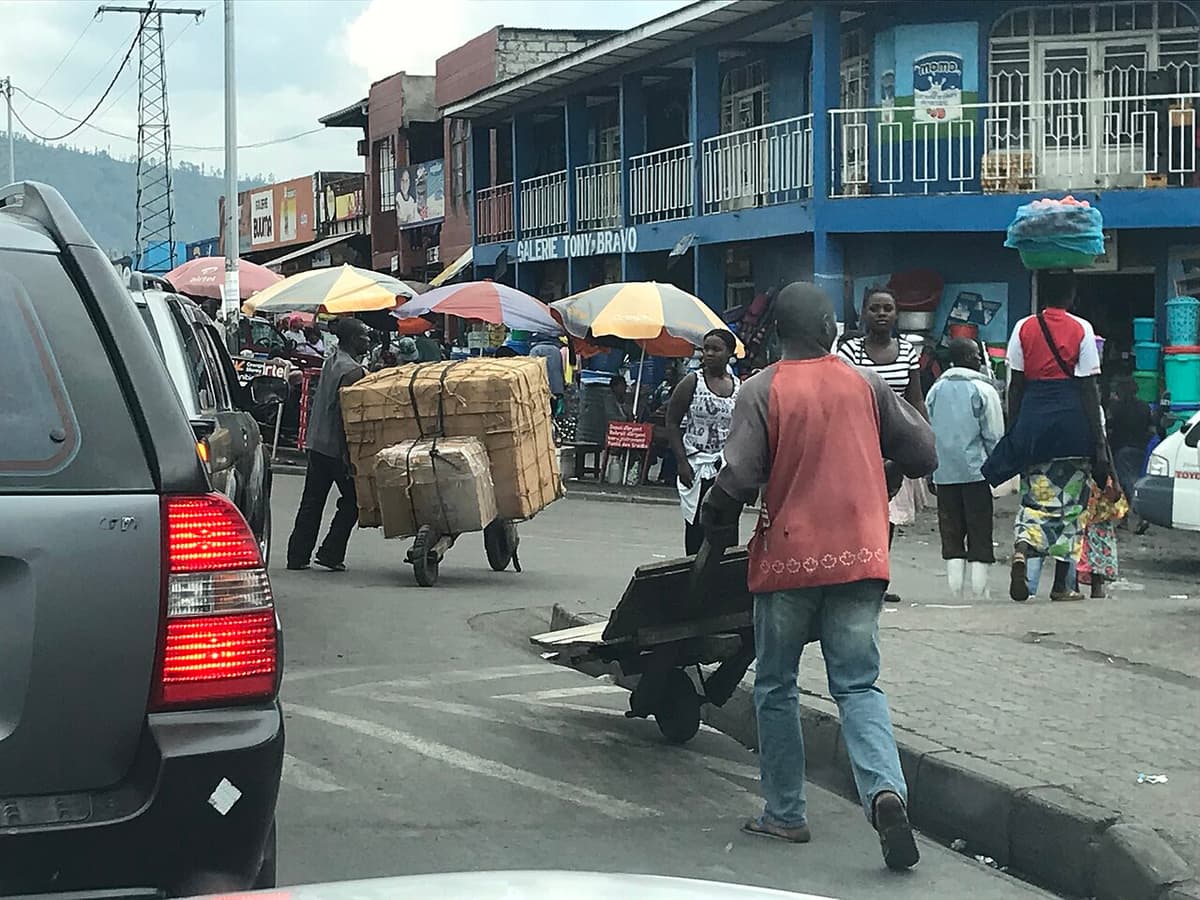
Sécurité - 17 octobre 2025
Les forces de la RDC lancent des attaques contre les positions de l'AFC/M23 malgré l'accord de cessez-le-feu
Kigali, le 17 octobre 2025 - Les forces gouvernementales de la République Démocratique du Congo (RDC) ont lancé des opérations militaires contre les positions de la coalition AFC/M23 dans le Nord et le Sud Kivu, quelques heures seulement après que les deux parties aient signé un accord de cessez-le-feu à Doha, au Qatar, le 14 octobre 2025, a déclaré le groupe rebelle.
Le porte-parole de l'AFC/M23, Lawrence Kanyuka, a déclaré le matin du 15 octobre 2025 que les attaques impliquaient des milices affiliées aux FARDC, y compris la coalition Wazalendo, ciblant des zones densément peuplées et des positions clés des rebelles.
"Les forces gouvernementales de Kinshasa ont mené de grandes attaques contre nos positions dans le Sud et le Nord Kivu, peu après la signature de l'accord de cessez-le-feu de Doha," a déclaré Kanyuka.
Les lieux spécifiques sous attaque comprenaient Kadasomwa et Lumbishi dans le territoire de Kalehe, au Sud Kivu, et Kasake dans le territoire de Masisi, au Nord Kivu.
L'accord de cessez-le-feu à Doha a établi un organe de surveillance conjoint composé de représentants égaux du gouvernement de la RDC et de l'AFC/M23, avec des observateurs des États-Unis, du Qatar, de l'Union Africaine et de la région des Grands Lacs. Cet organe est destiné à superviser le respect de l'accord et à faciliter les négociations de paix en cours.
Kanyuka a averti que les attaques mettent non seulement en danger les civils, mais menacent également les progrès du processus de paix, risquant de compromettre les efforts pour parvenir à un accord durable entre les deux parties.
Les analystes affirment que la situation met en évidence la fragilité des cessez-le-feu dans l'est de la RDC, où les affrontements entre les forces gouvernementales et les groupes rebelles continuent de défier la stabilité régionale.
Ce rapport illustre un contraste marqué entre la situation intérieure du Rwanda et le contexte régional tendu dans lequel le pays évolue. En interne, le Rwanda démontre un élan de développement soutenu, marqué par des investissements stratégiques dans les infrastructures routières, la santé (avec le soutien de l'UE pour la production de vaccins) et l'autonomisation économique locale, en particulier pour les femmes et les PME.
Cependant, ces progrès sont éclipsés par des tensions persistantes avec la République Démocratique du Congo. Malgré les tentatives de dialogue dans le cadre des processus de paix de Washington et de Doha, une profonde méfiance persiste. Les accusations mutuelles entre les présidents Tshisekedi et Kagame, les contradictions au sein même du gouvernement congolais, et surtout, la situation sécuritaire extrêmement volatile dans l'est de la RDC - avec des affrontements impliquant le M23, l'armée congolaise et diverses milices - continuent de menacer la stabilité régionale.
En résumé, alors que le Rwanda consolide son développement économique et social, son environnement géopolitique reste précaire, la résolution du conflit dans l'est de la RDC étant la clé d'une paix durable dans la région des Grands Lacs.
À lire aussi
Sécurité - 31 août 2026
RDC et Congo-Brazzaville s'efforcent de désamorcer le conflit frontalier sur le fleuve Congo
Kinshasa, le 31 août 2026 - La RDC et le Congo-Brazzaville ont agi pour contenir les tensions après un affrontement mortel du 28 août entre les troupes des FARDC et les forces du Congo-Brazzaville sur le fleuve Congo…
Par Amina Kabasele - 3 min de lecture
Sécurité - 31 août 2026
Des villages de Walikale vidés alors que les combats se propagent dans l'est de la RDC
Goma, le 31 août 2026 - Plusieurs villages du groupement Waloa Loanda de Walikale ont été vidés alors que les combats entre l'armée et les forces AFC/M23 se sont étendus des zones voisines de Masisi et Kalehe…
Par Amina Kabasele - 3 min de lecture
Sécurité - 31 août 2026
Le gouvernement affirme que l'armée bloque l'expansion de l'AFC/M23 au Kivu
Kinshasa, le 31 août 2026 - Le gouvernement a déclaré que les FARDC faisaient systématiquement échouer les tentatives de l'AFC/M23 d'occuper de nouveaux territoires dans les Kivus, alors que les combats se poursuivaient…
Par Amina Kabasele - 3 min de lecture