
Sécurité - 10 juillet 2026
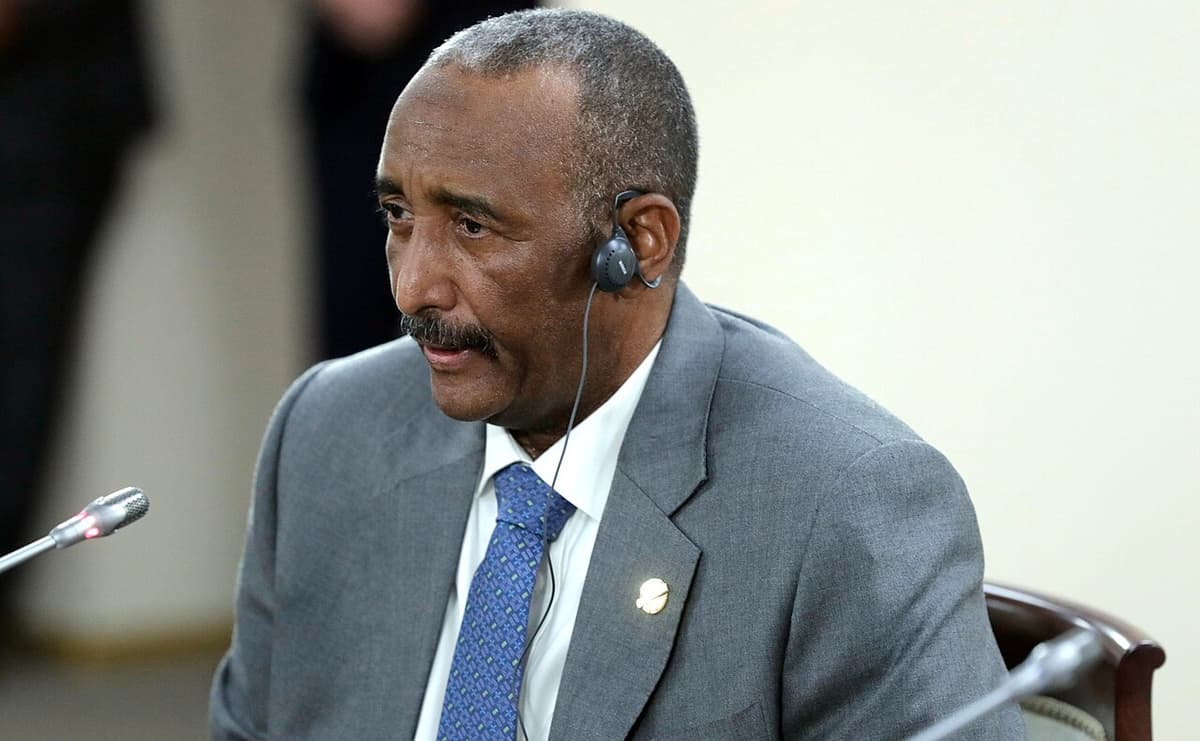
La crise des déplacements s’aggrave à El Obeid alors que le conflit resserre l’emprise sur la ville
EL OBEID, le 10 juillet 2026 - El Obeid, la capitale de l'État soudanais du Nord-Kordofan, est confrontée à une pression humanitaire croissante alors que des dizaines de milliers de personnes déplacées continuent d'arriver malgré un siège en cours et des attaques répétées de drones.
La ville est devenue un refuge majeur pour les civils fuyant les violences au Sud et à l’Ouest du Kordofan, même si elle reste encerclée sur trois côtés par les Forces de soutien rapide (RSF). La détérioration de la situation sécuritaire a accru les inquiétudes quant à la sécurité des habitants et à la possibilité d’une offensive militaire plus large.
Les frappes de drones ont ciblé à plusieurs reprises des infrastructures critiques et la principale voie d'approvisionnement de la ville reliant El Obeid à Kosti, dans l'État du Nil Blanc. Les attaques ont perturbé les transports, endommagé des véhicules commerciaux et contribué à une forte hausse des prix des denrées alimentaires et d’autres biens essentiels.
Entre mars et juin, plus de 11 000 familles, représentant environ 60 000 personnes, seraient arrivées à El Obeid, portant la population de la ville à environ 3,2 millions d'habitants. Près de la moitié des habitants sont désormais déplacés internes, vivant dans des camps temporaires ou dans des familles d'accueil.
L’urgence humanitaire croissante a été aggravée par l’effondrement de l’activité économique locale. De nombreuses familles déplacées peinent à subvenir à leurs besoins quotidiens alors que les opportunités d’emploi disparaissent et que les entreprises ferment.
Le secteur industriel autrefois actif d’El Obeid a été gravement touché par les perturbations de l’approvisionnement en produits agricoles et les pénuries prolongées d’électricité. La plupart des usines de transformation du pétrole de la ville ont suspendu leurs activités, laissant de nombreux travailleurs sans revenus.
Les récentes attaques de drones contre des installations de carburant ont encore aggravé la crise, provoquant de graves pénuries de carburant et faisant grimper fortement les prix sur le marché noir.
Alors que le conflit continue de perturber les moyens de subsistance et l'accès humanitaire, les agences humanitaires préviennent que les besoins des communautés déplacées augmentent rapidement, ce qui exerce une pression supplémentaire sur les ressources déjà épuisées de la ville.
À lire aussi
Sécurité - 31 août 2026
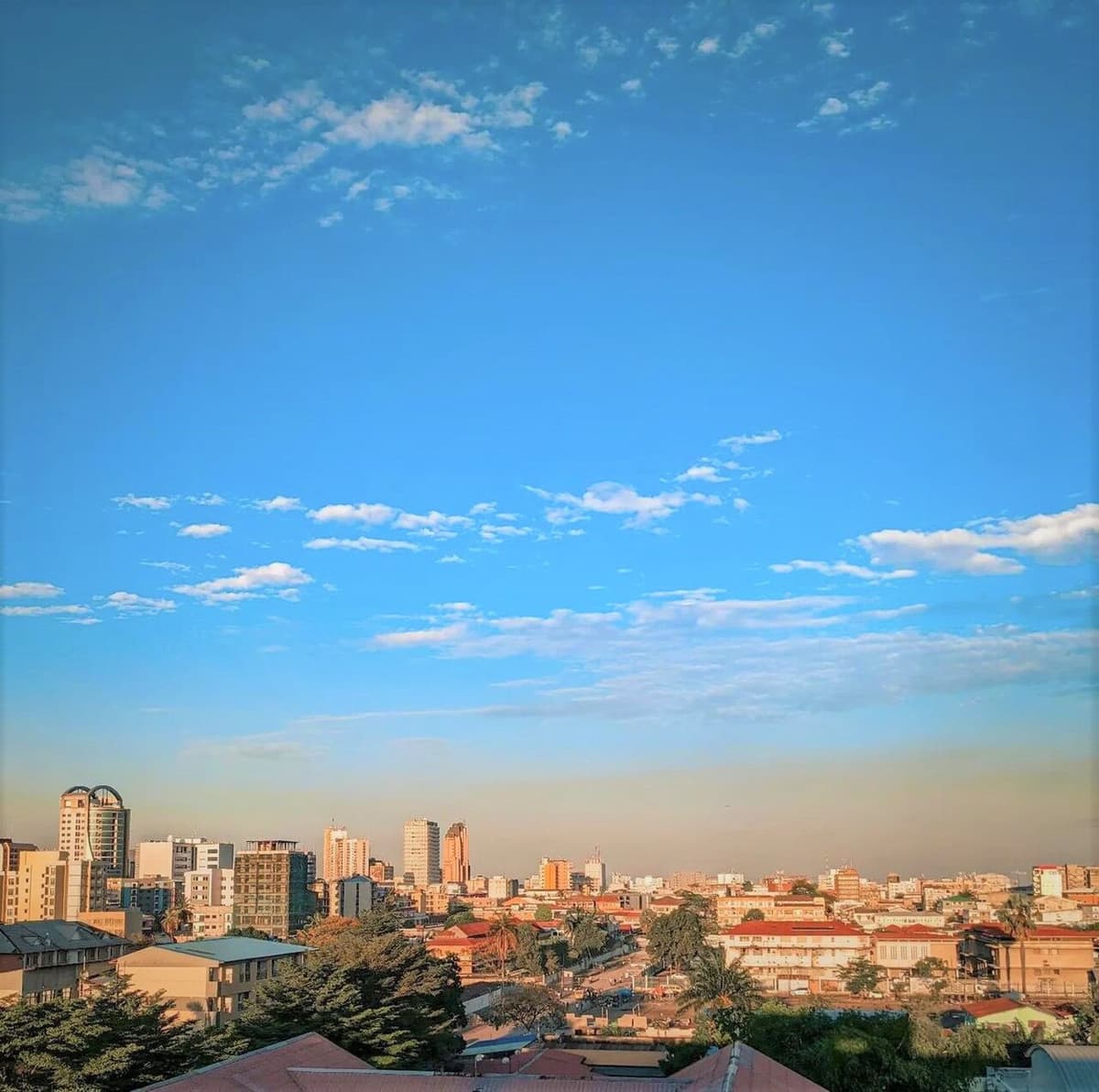
RDC et Congo-Brazzaville s'efforcent de désamorcer le conflit frontalier sur le fleuve Congo
Kinshasa, le 31 août 2026 - La RDC et le Congo-Brazzaville ont agi pour contenir les tensions après un affrontement mortel du 28 août entre les troupes des FARDC et les forces du Congo-Brazzaville sur le fleuve Congo…
Par Amina Kabasele - 3 min de lecture
Sécurité - 31 août 2026
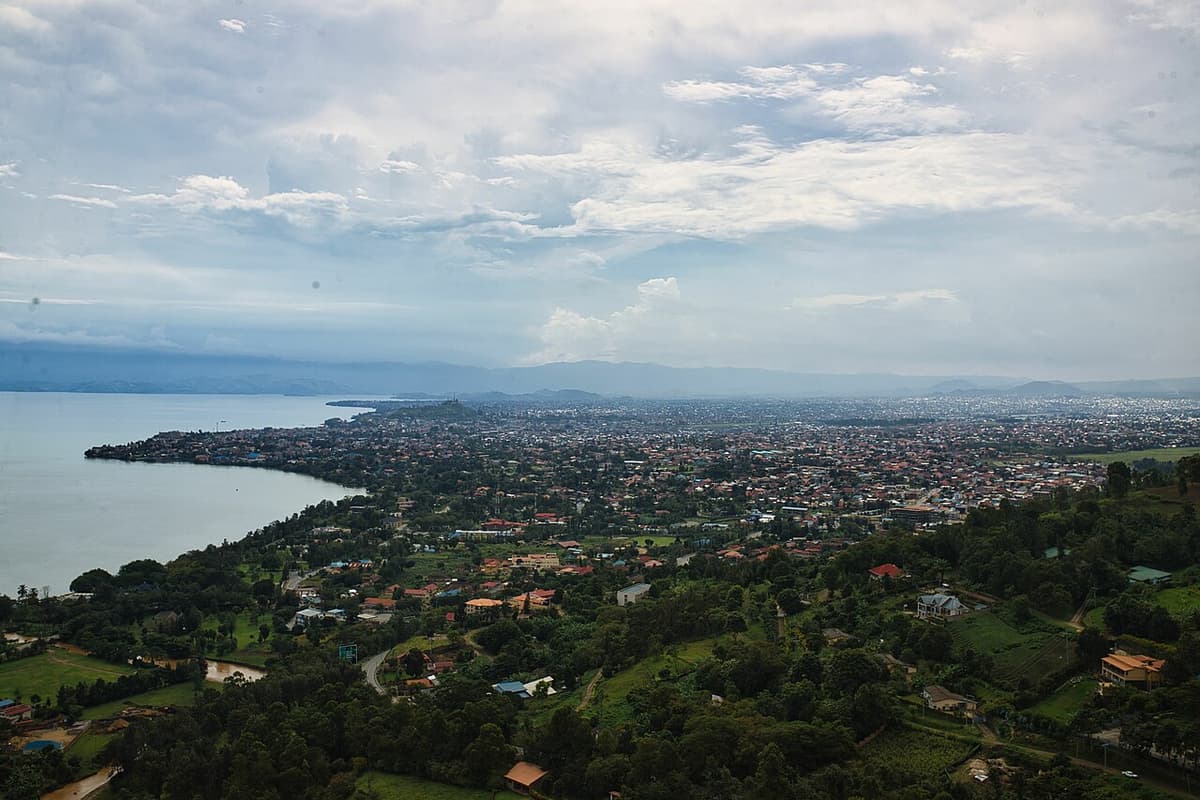
Des villages de Walikale vidés alors que les combats se propagent dans l'est de la RDC
Goma, le 31 août 2026 - Plusieurs villages du groupement Waloa Loanda de Walikale ont été vidés alors que les combats entre l'armée et les forces AFC/M23 se sont étendus des zones voisines de Masisi et Kalehe…
Par Amina Kabasele - 3 min de lecture
Sécurité - 31 août 2026
Le gouvernement affirme que l'armée bloque l'expansion de l'AFC/M23 au Kivu
Kinshasa, le 31 août 2026 - Le gouvernement a déclaré que les FARDC faisaient systématiquement échouer les tentatives de l'AFC/M23 d'occuper de nouveaux territoires dans les Kivus, alors que les combats se poursuivaient…
Par Amina Kabasele - 3 min de lecture