
Sécurité - 22 novembre 2025
Côte d’Ivoire Grants Refugee Status to Nearly 80,000 Burkinabe and Malian NationalsCôte d’Ivoire, November 21, 2025
Bamako, le 22 novembre 2025 - In a significant humanitarian development, Côte d’Ivoire has officially granted refugee status to over 69,000 Burkinabe and 1,500 Malian nationals, bringing the total recognized refugee population in the country to nearly 80,000, up from just 2,500 previously. The decision, formalized through an interministerial decree on July 2, 2025, received minimal media attention and was only publicly noted on November 20 via a UNHCR technical dashboard.
This measure applies to asylum seekers registered from May 2021 onwards, primarily individuals who fled violence in southern Burkina Faso and certain regions of Mali to seek safety in northern Côte d’Ivoire. The newly recognized population is highly vulnerable, having left their homes due to escalating conflict and security threats in the Sahel.
According to the UNHCR, official refugee status grants access to identity documents and special passports, facilitating administrative procedures and legal travel. While Ivorian law from 2023 already guaranteed certain rights, including the right to work, this decree now provides clear and formal legal recognition of these protections.
The Daara-the Directorate of Aid and Assistance to Refugees and Stateless Persons-is tasked with implementing humanitarian programs for the newly recognized refugees. These initiatives include the distribution of aid, support with administrative and social procedures, and integration services. Refugee status also opens the possibility of a voluntary, assisted return to the country of origin, although current security conditions in the Sahel make such returns highly challenging.
By granting this legal recognition, Côte d’Ivoire provides the refugees with temporary protection, stability, and access to essential services, while reinforcing its role as a safe haven amid regional turmoil.
À lire aussi
Sécurité - 31 août 2026
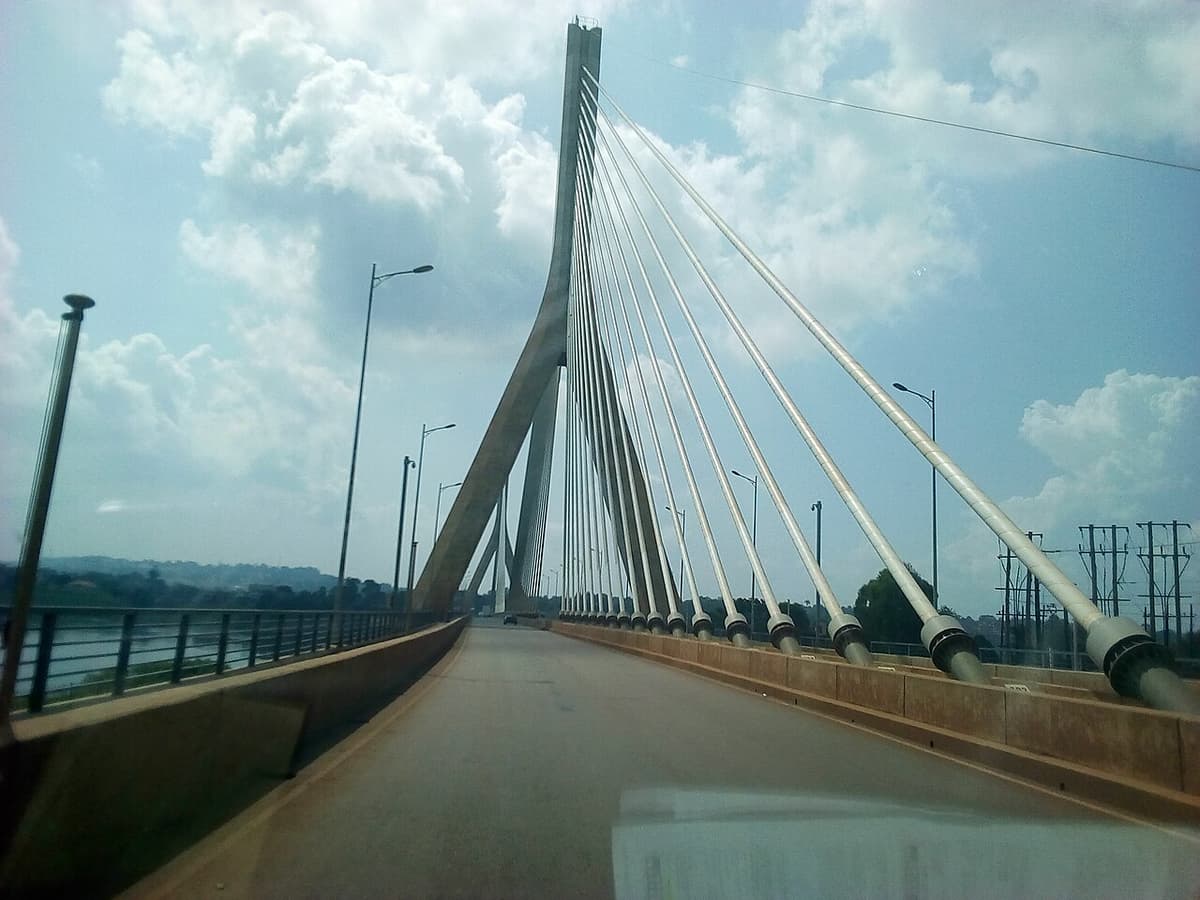
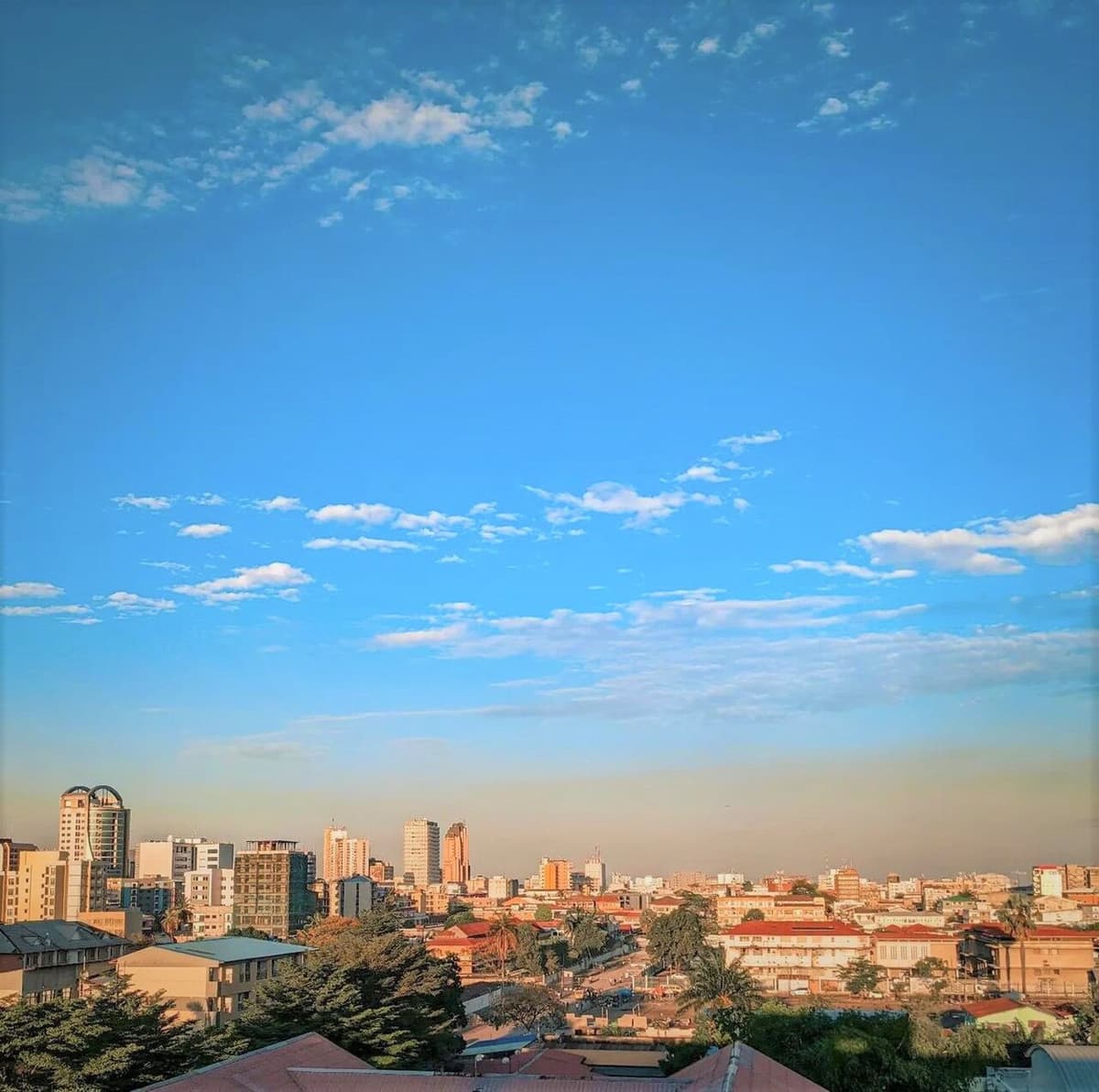
RDC et Congo-Brazzaville s'efforcent de désamorcer le conflit frontalier sur le fleuve Congo
Kinshasa, le 31 août 2026 - La RDC et le Congo-Brazzaville ont agi pour contenir les tensions après un affrontement mortel du 28 août entre les troupes des FARDC et les forces du Congo-Brazzaville sur le fleuve Congo…
Par Amina Kabasele - 3 min de lecture
Sécurité - 31 août 2026
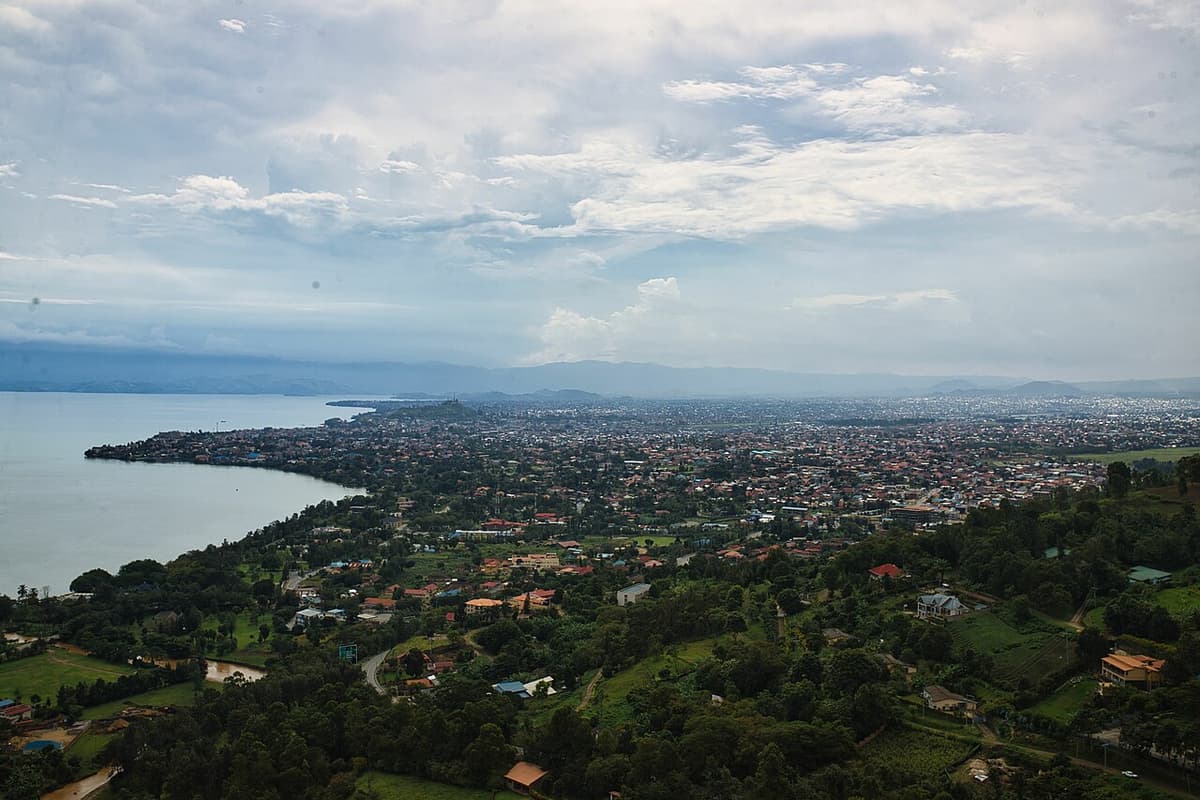
Des villages de Walikale vidés alors que les combats se propagent dans l'est de la RDC
Goma, le 31 août 2026 - Plusieurs villages du groupement Waloa Loanda de Walikale ont été vidés alors que les combats entre l'armée et les forces AFC/M23 se sont étendus des zones voisines de Masisi et Kalehe…
Par Amina Kabasele - 3 min de lecture
Sécurité - 31 août 2026
Le gouvernement affirme que l'armée bloque l'expansion de l'AFC/M23 au Kivu
Kinshasa, le 31 août 2026 - Le gouvernement a déclaré que les FARDC faisaient systématiquement échouer les tentatives de l'AFC/M23 d'occuper de nouveaux territoires dans les Kivus, alors que les combats se poursuivaient…
Par Amina Kabasele - 3 min de lecture