
Sécurité - 11 janvier 2026
Conflit entre Wazalendo et la direction des FARDC
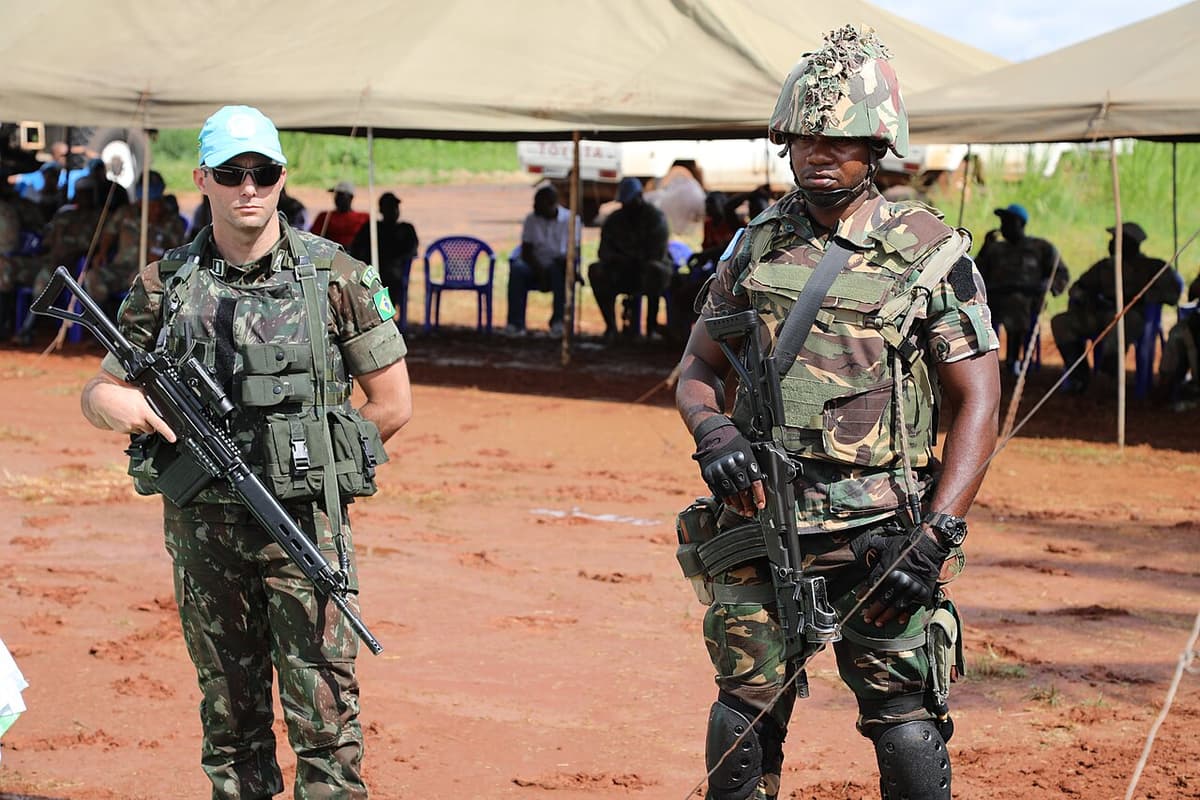
Le 7 janvier 2026 - Des tensions ont émergé entre la coalition Wazalendo, alignée avec le gouvernement congolais, et la direction militaire de la République Démocratique du Congo. Selon le porte-parole de Wazalendo, Habyarimana Mbitsemunda, également connu sous le nom de Jules Mulumba, une sérieuse conspiration au sein des FARDC a affecté les opérations sur le terrain et la coordination interne.
Mulumba a déclaré que l'arrestation du général major Janvier Mayanga wa Gishuba, commandant adjoint des Forces de secours de la RDC, était le résultat d'une conspiration orchestrée par le lieutenant général Padiri Bulenda, le commandant en chef des FARDC. Il a expliqué que le général Mayanga s'opposait au transfert de 8 millions de dollars destinés à Wazalendo par le ministère de la Défense et des Finances.
La direction de Wazalendo a également critiqué le lieutenant général Padiri Bulenda pour avoir envoyé des messages attaquant leur coalition, que Mulumba a qualifiée de campagne de diffamation contre ces groupes armés. Mulumba a en outre accusé le général Fall Sikabwe d'avoir contribué à la capture de Goma par les forces de l'AFC/M23 le 27 janvier 2025, alléguant qu'il avait facilité des opérations conjointes entre les forces sud-africaines, burundaises et Wazalendo.
D'autres officiers des FARDC ont également été blâmés pour des échecs militaires. Mulumba a cité le lieutenant général Masunzu Pacifique et le général de brigade Olivier Gasita, tous deux du Sud-Kivu, comme responsables d'erreurs opérationnelles, s'interrogeant sur les raisons pour lesquelles ils restent en poste actif.
À Kinshasa, plusieurs officiers supérieurs ont été arrêtés pour des complots présumés contre le président Félix Tshisekedi, y compris le général Dieudonné Mutupeke Kiamata, le général Marcel Mbangu Mashita, le général Franck Ntumba (anciennement en charge des opérations militaires au palais présidentiel) et le général Christian Tshiwewe Songesha, chef d'état-major de l'armée. Wazalendo affirme que le général Ntumba et le général Tshiwewe étaient impliqués dans la planification d'un coup d'État, tandis que Mutupeke et Mbangu font face à des accusations de crimes qu'ils n'ont pas commis.
Ce différend met en lumière de profondes fractures au sein de l'armée congolaise et de ses forces alliées, révélant la méfiance et les luttes internes qui continuent de saper les opérations de sécurité dans l'est de la RDC.
À lire aussi
Sécurité - 31 août 2026
RDC et Congo-Brazzaville s'efforcent de désamorcer le conflit frontalier sur le fleuve Congo
Kinshasa, le 31 août 2026 - La RDC et le Congo-Brazzaville ont agi pour contenir les tensions après un affrontement mortel du 28 août entre les troupes des FARDC et les forces du Congo-Brazzaville sur le fleuve Congo…
Par Amina Kabasele - 3 min de lecture
Sécurité - 31 août 2026
Des villages de Walikale vidés alors que les combats se propagent dans l'est de la RDC
Goma, le 31 août 2026 - Plusieurs villages du groupement Waloa Loanda de Walikale ont été vidés alors que les combats entre l'armée et les forces AFC/M23 se sont étendus des zones voisines de Masisi et Kalehe…
Par Amina Kabasele - 3 min de lecture
Sécurité - 31 août 2026
Le gouvernement affirme que l'armée bloque l'expansion de l'AFC/M23 au Kivu
Kinshasa, le 31 août 2026 - Le gouvernement a déclaré que les FARDC faisaient systématiquement échouer les tentatives de l'AFC/M23 d'occuper de nouveaux territoires dans les Kivus, alors que les combats se poursuivaient…
Par Amina Kabasele - 3 min de lecture