
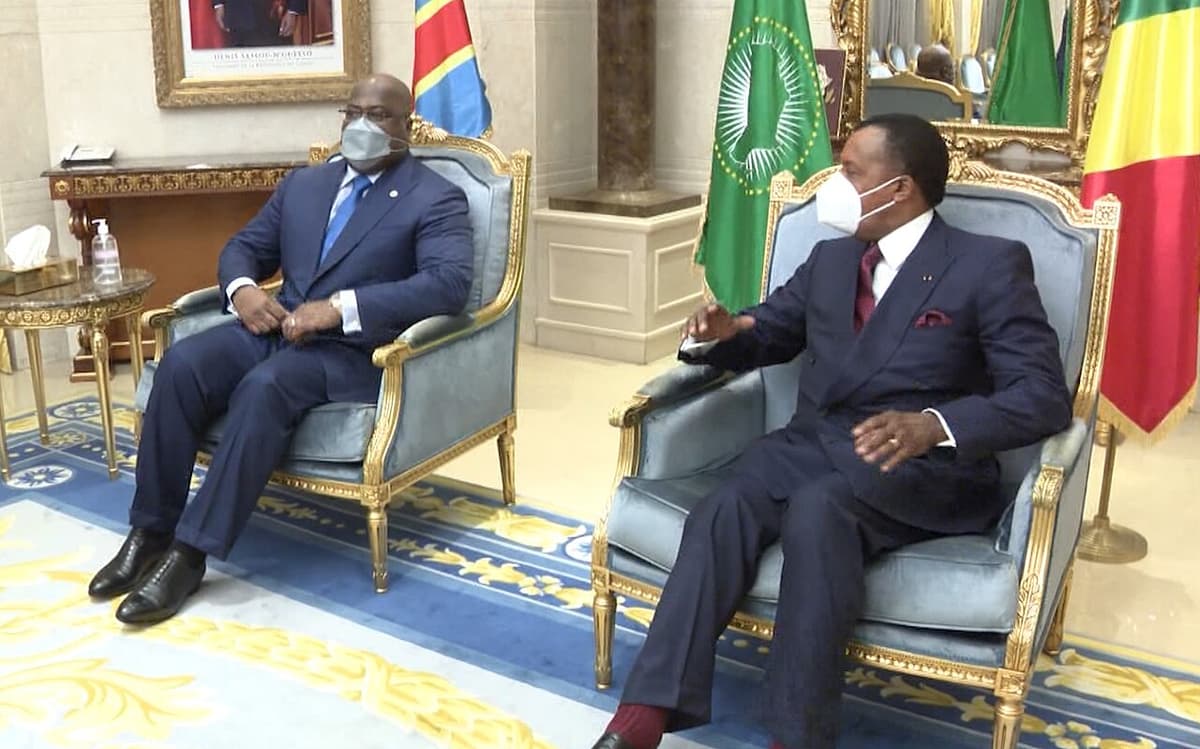
Sécurité - 8 février 2026
Des citoyens lancent une pétition pour dissoudre l'Assemblée provinciale de l'Équateur
Mbandaka, le 5 février 2026 - Un collectif de citoyens, se faisant appeler les « Citoyens Rebelles », a lancé une pétition demandant la dissolution de l'Assemblée provinciale de l'Équateur, intensifiant les tensions politiques dans la capitale provinciale.
Accusations d'ingérence et de favoritisme Le groupe accuse les membres de l'assemblée provinciale de paralyser l'exécutif par des ingérences intempestives et des pratiques de favoritisme. Selon les pétitionnaires, l'organe délibérant a outrepassé son rôle de contrôle constitutionnel, s'immisçant dans la gestion quotidienne du gouvernement provincial.
« Les membres du parlement se comportent comme des gestionnaires. Ils bloquent des dossiers importants et interfèrent dans les responsabilités de l'exécutif. Nous disons que ça suffit ; cette assemblée doit être dissoute pour permettre à la province de respirer », a déclaré Papy Ekate Ekofo, porte-parole du collectif des « Citoyens Rebelles ».
Le collectif a lancé une campagne de signatures à grande échelle à travers Mbandaka, visant à recueillir 25 000 signatures pour faire appel directement au président Félix Tshisekedi, la seule autorité habilitée à ordonner la dissolution d'une assemblée provinciale en cas de crise persistante.
Allégations de corruption Des rumeurs circulant à Mbandaka suggèrent que certains membres de l'assemblée sont impliqués dans des affaires de corruption, exerçant une pression sur les institutions publiques pour recruter des proches, au détriment des talents locaux.
Réponse de l'Assemblée L'Assemblée provinciale de l'Équateur a rejeté la pétition. Le rapporteur Ézéchiel Ambokani a souligné que l'initiative n'a pas de fondement légal, déclarant :
« Cette pétition n'a aucun fondement légal pour dissoudre notre institution. Les mécanismes de dissolution sont strictement définis par la Constitution et ne dépendent pas de la collecte de signatures dans la rue. »
Implications pour la gouvernance Des observateurs avertissent que ce bras de fer intervient à un moment où la province de l'Équateur lutte avec des problèmes d'infrastructure et de développement social. Si la situation n'est pas résolue, le conflit entre les citoyens et les élus pourrait affaiblir davantage l'autorité de l'État dans la région.
À lire aussi
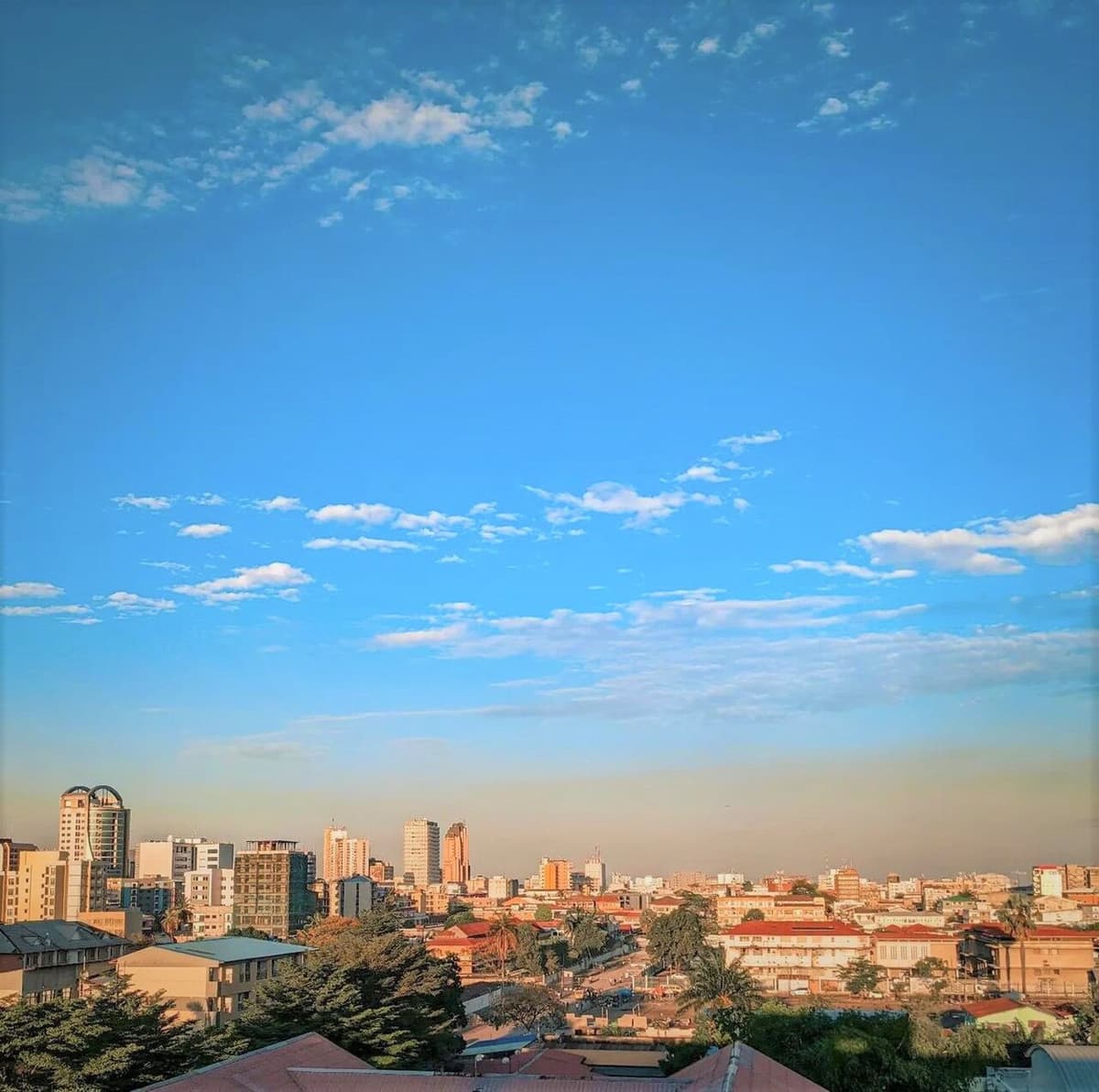
Sécurité - 31 août 2026
RDC et Congo-Brazzaville s'efforcent de désamorcer le conflit frontalier sur le fleuve Congo
Kinshasa, le 31 août 2026 - La RDC et le Congo-Brazzaville ont agi pour contenir les tensions après un affrontement mortel du 28 août entre les troupes des FARDC et les forces du Congo-Brazzaville sur le fleuve Congo…
Par Amina Kabasele - 3 min de lecture
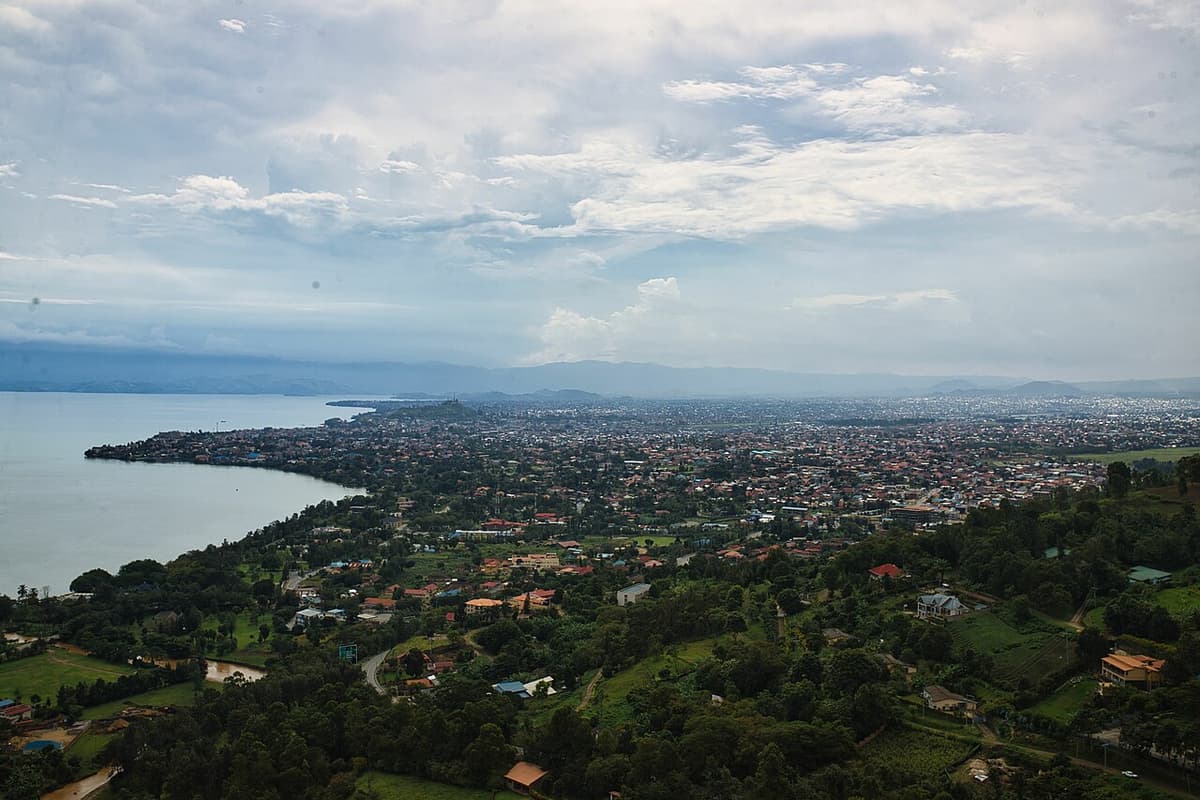
Sécurité - 31 août 2026
Des villages de Walikale vidés alors que les combats se propagent dans l'est de la RDC
Goma, le 31 août 2026 - Plusieurs villages du groupement Waloa Loanda de Walikale ont été vidés alors que les combats entre l'armée et les forces AFC/M23 se sont étendus des zones voisines de Masisi et Kalehe…
Par Amina Kabasele - 3 min de lecture
Sécurité - 31 août 2026
Le gouvernement affirme que l'armée bloque l'expansion de l'AFC/M23 au Kivu
Kinshasa, le 31 août 2026 - Le gouvernement a déclaré que les FARDC faisaient systématiquement échouer les tentatives de l'AFC/M23 d'occuper de nouveaux territoires dans les Kivus, alors que les combats se poursuivaient…
Par Amina Kabasele - 3 min de lecture