
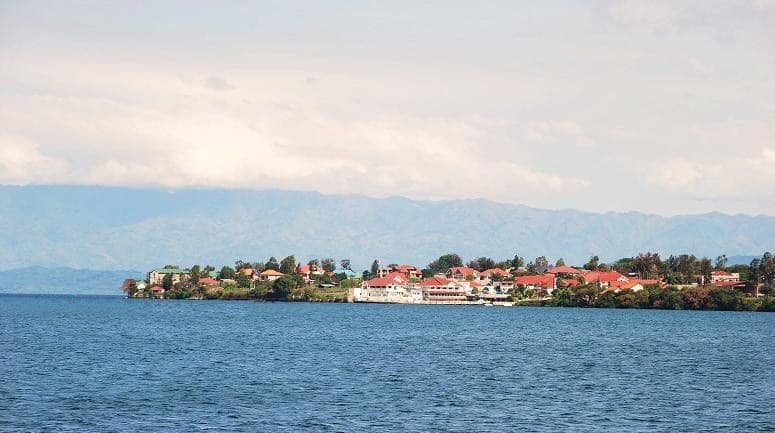
Sécurité - 14 novembre 2025
Le CICR réaffirme son engagement humanitaire dans l'est de la RDC
Kinshasa, le 14 novembre 2025 - Le vendredi 14 novembre 2025 - À Goma, le Directeur régional pour l'Afrique du Comité international de la Croix-Rouge (CICR), Patrick Youssef, a réaffirmé la détermination de son organisation à intensifier l'aide humanitaire aux populations vulnérables dans l'est de la RDC, malgré des conditions de sécurité instables et des contraintes financières croissantes.
Accompagné du Secrétaire général de la Croix-Rouge suédoise, il a salué la résilience des communautés locales et le dévouement des 10 000 bénévoles mobilisés dans la région. Soulignant les efforts en cours, y compris la distribution de semences et de nourriture à 5 600 familles dans le groupe Ikobo, au Nord-Kivu, Youssef a appelé les donateurs internationaux à maintenir leur attention sur cette crise persistante, insistant sur la nécessité d'une assistance rapide et digne pour les personnes touchées.
La première moitié de novembre 2025 pour la République démocratique du Congo a été marquée par un contraste frappant entre des activités diplomatiques et économiques de haut niveau et une réalité humanitaire sévère et en détérioration, particulièrement à l'est.
Au niveau international, cette période a vu une intensification des efforts diplomatiques axés sur le conflit de l'est, avec l'UE exigeant un corridor humanitaire, le Président Tshisekedi s'engageant avec le Qatar sur le processus de paix, et le Premier ministre Suminwa appelant à des partenariats équitables à Londres. Sur le plan macro-économique, le gouvernement a projeté une stabilité, citant une économie résiliente, un franc congolais stable et une baisse significative de l'inflation, soutenue par la deuxième revue du FMI.
Cependant, cet optimisme de haut niveau a été éclipsé par une crise qui s'aggrave sur le terrain. La situation humanitaire a atteint un point critique, avec des rapports indiquant que près de 25 millions de Congolais font face à une grave insécurité alimentaire. La crise est particulièrement aiguë dans des zones comme Walikale, qui est au bord de la famine avec un taux de malnutrition de 46 %. Cette situation est alimentée par des conflits armés en cours, qui continuent de blesser des civils et de déplacer des populations, ainsi que par des groupes armés fermant des sites économiques clés.
Sur le plan national, le gouvernement navigue à travers des défis politiques et structurels internes. Cela inclut des retards parlementaires dans l'examen du budget 2026, des appels du Ministre de l'Intérieur à suspendre les motions de censure en temps de guerre, et des problèmes persistants d'impunité et de corruption à grande échelle présumée. De plus, des défaillances d'infrastructure critiques, telles que des inondations majeures à Kinshasa et au Sud-Kivu et l'effondrement d'une route clé en Ituri, continuent de perturber la vie quotidienne et les chaînes d'approvisionnement.
À lire aussi
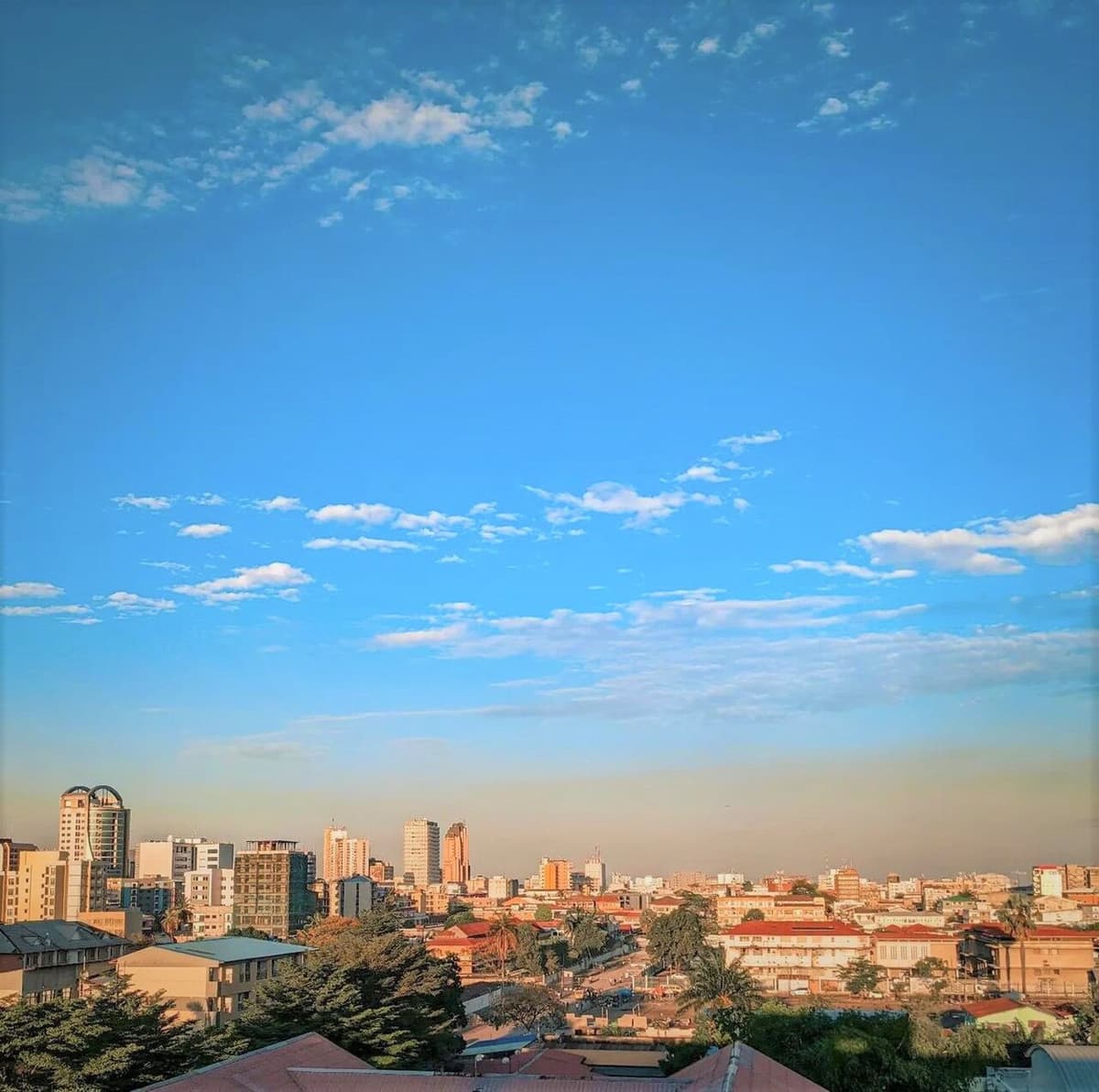
Sécurité - 31 août 2026
RDC et Congo-Brazzaville s'efforcent de désamorcer le conflit frontalier sur le fleuve Congo
Kinshasa, le 31 août 2026 - La RDC et le Congo-Brazzaville ont agi pour contenir les tensions après un affrontement mortel du 28 août entre les troupes des FARDC et les forces du Congo-Brazzaville sur le fleuve Congo…
Par Amina Kabasele - 3 min de lecture
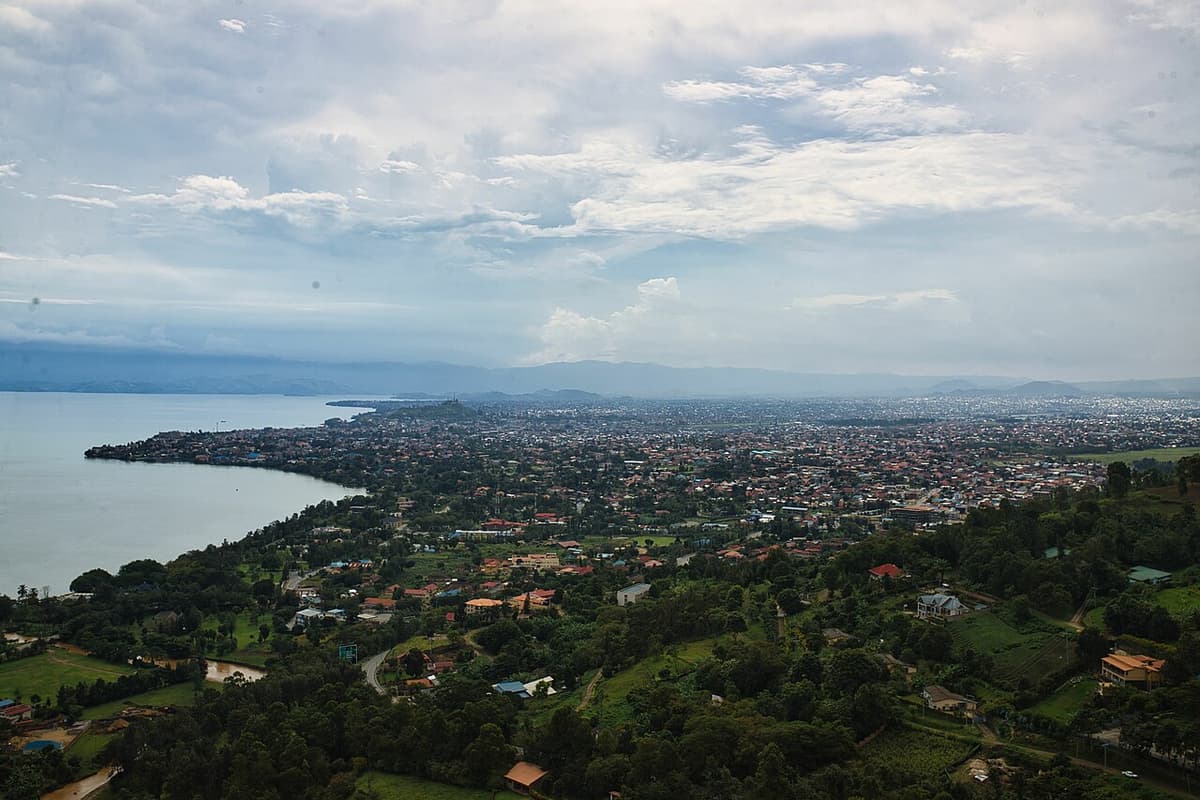
Sécurité - 31 août 2026
Des villages de Walikale vidés alors que les combats se propagent dans l'est de la RDC
Goma, le 31 août 2026 - Plusieurs villages du groupement Waloa Loanda de Walikale ont été vidés alors que les combats entre l'armée et les forces AFC/M23 se sont étendus des zones voisines de Masisi et Kalehe…
Par Amina Kabasele - 3 min de lecture
Sécurité - 31 août 2026
Le gouvernement affirme que l'armée bloque l'expansion de l'AFC/M23 au Kivu
Kinshasa, le 31 août 2026 - Le gouvernement a déclaré que les FARDC faisaient systématiquement échouer les tentatives de l'AFC/M23 d'occuper de nouveaux territoires dans les Kivus, alors que les combats se poursuivaient…
Par Amina Kabasele - 3 min de lecture