
Économie - 9 juillet 2026
La fermeture des frontières fait chuter les prix du sorgho et les agriculteurs font face à de lourdes pertes
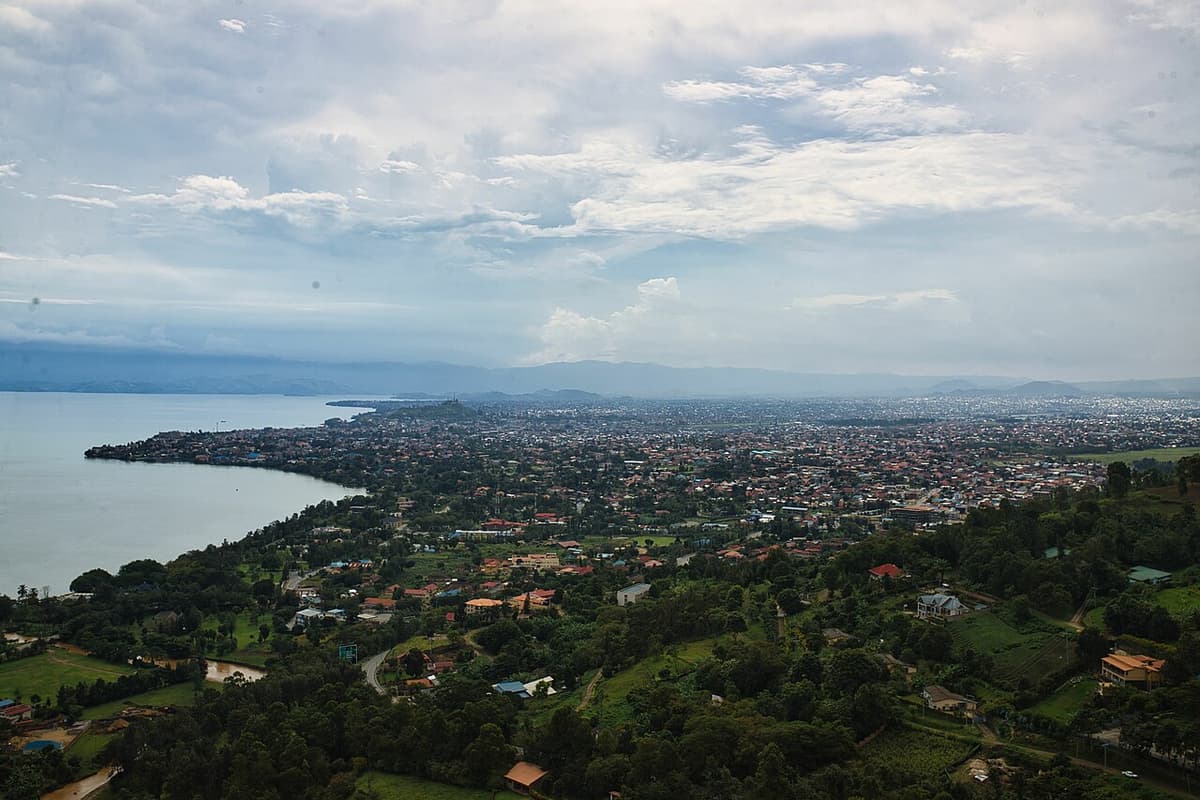
Rutshuru, le 9 juillet 2026 - Les producteurs de sorgho de la région de Jomba, dans le territoire de Rutshuru, sont confrontés à des difficultés économiques croissantes alors que le prix de leur récolte chute fortement suite à la perturbation du petit commerce transfrontalier avec l'Ouganda et le Rwanda.
Les agriculteurs attribuent ce déclin aux fermetures de frontières introduites dans le cadre des mesures liées à l’épidémie de maladie à virus Ebola, qui ont considérablement réduit les déplacements des commerçants qui achètent traditionnellement des produits agricoles locaux.
Actuellement, une mesure de sorgho pesant environ 1,5 kilogramme se vend entre 2 000 et 2 500 shillings ougandais, contre 3 000 shillings ougandais avant les restrictions. Malgré une bonne récolte cette saison, les producteurs disent avoir du mal à trouver des acheteurs et sont contraints de vendre à des prix qui ne couvrent pas leurs coûts de production.
A Tshengerero, l'agriculteur Vianney Rwakabuba Rumaka a expliqué que le principal défi n'est pas la production mais le manque d'accès aux marchés. Selon lui, les commerçants des pays voisins ne traversent plus la frontière, ce qui laisse aux agriculteurs des possibilités limitées de vendre leurs récoltes.
Il a averti que l'effondrement des prix affecte directement les revenus des ménages agricoles, réduisant leur capacité à satisfaire leurs besoins fondamentaux et à réinvestir dans les activités agricoles.
Les agriculteurs affirment que ce déclin représente une perte importante par rapport aux années précédentes, lorsque les ventes de sorgho fournissaient suffisamment de revenus pour acheter des produits essentiels. Ils craignent désormais qu’une saison agricole par ailleurs réussie ne devienne un revers financier pour de nombreuses familles rurales.
Les producteurs de Jomba appellent les autorités locales et nationales à prendre des mesures urgentes pour rétablir les flux commerciaux, soutenir l'accès au marché ou créer des opportunités commerciales alternatives pour éviter de nouvelles pertes.
La situation met en évidence la vulnérabilité économique des communautés de l’est de la RDC, où de nombreux ménages ruraux dépendent des réseaux commerciaux transfrontaliers pour vendre des produits agricoles et maintenir leurs moyens de subsistance.
À lire aussi

Économie - 31 août 2026
Le Rwanda récupère des parcelles industrielles non développées pour améliorer l'utilisation des terres
Kigali, le 31 août 2026 - Le Rwanda a récupéré 15 parcelles industrielles supplémentaires auprès d'investisseurs qui n'ont pas réussi à les développer dans les délais convenus, renforçant ainsi la volonté du…
Par Jean-Marc Okito - 2 min de lecture

Économie - 31 août 2026
Les coûts élevés et le manque d'informations ralentissent l'adoption de l'énergie solaire chez les agriculteurs
Kampala, le 31 août 2026 - Les coûts initiaux élevés et le manque d'informations freinent l'adoption des technologies solaires chez les petits agriculteurs ougandais, limitant la productivité et la gestion post-récolte.
Par Jean-Marc Okito - 3 min de lecture
Économie - 31 août 2026
La fermeture de la cafétéria du Parlement expose un différend sur un contrat de nourriture de 2 milliards de Shs
Kampala, le 31 août 2026 - Un différend sur un contrat de restauration du Parlement d'une valeur comprise entre 1,3 milliard et 2 milliards de Shs a perturbé les services de la cafétéria pour les législateurs et le…
Par Jean-Marc Okito - 2 min de lecture