
Sécurité - 14 juillet 2026
Selon l'analyste Christian Moleka, la performance militaire reste le principal défi de la RDC
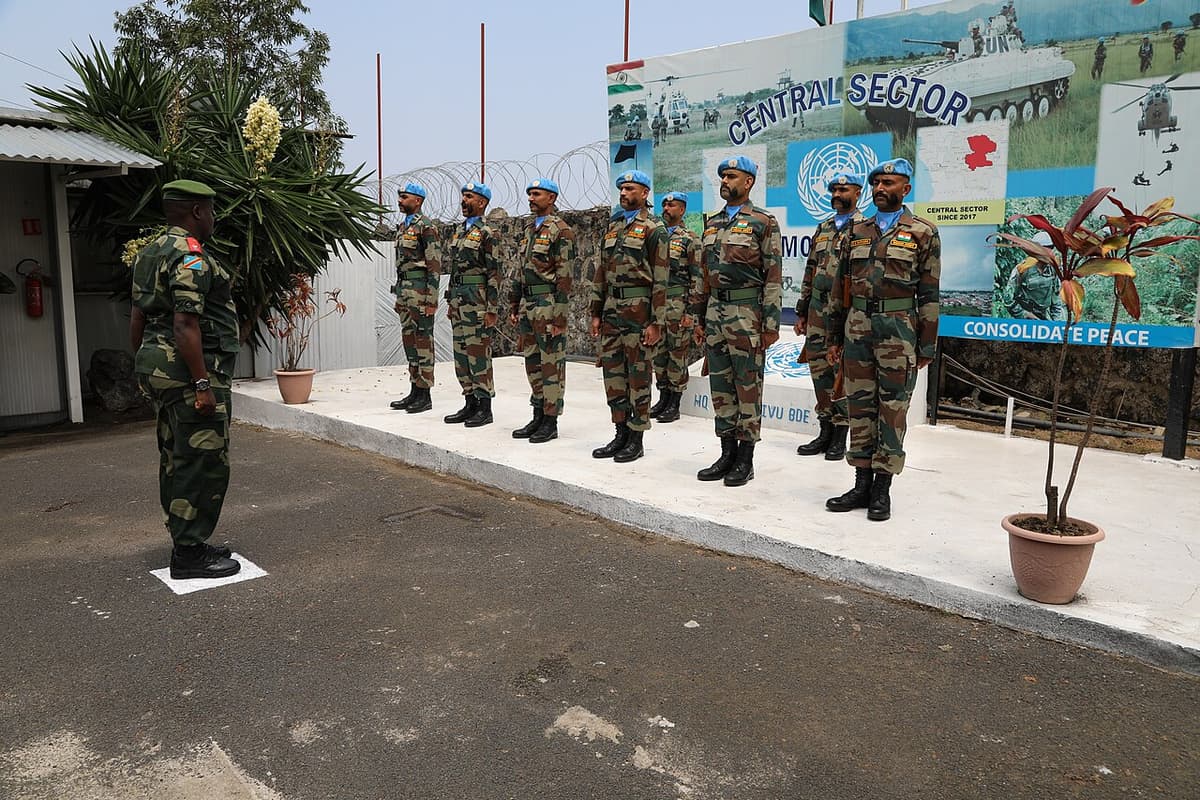
Kinshasa, le 14 juillet 2026 - L'analyste politique congolais Christian Moleka a affirmé que le plus grand défi de la République démocratique du Congo dans le conflit à l'est reste militaire plutôt que diplomatique, malgré le récent soutien international à la position de Kinshasa.
S'exprimant lors d'une discussion en ligne animée par le journaliste Stanis Bujakera Tshiamala, Moleka a évalué les stratégies militaires et diplomatiques du gouvernement en réponse au conflit impliquant l'AFC/M23.
Il a noté qu'entre 2022 et 2025, la RDC a alloué environ 4,5 milliards de dollars à la défense dans le cadre de sa loi de programmation militaire. Il a toutefois souligné que les Forces armées de la République démocratique du Congo (FARDC) n'ont pas réussi à reprendre l'initiative stratégique depuis la prise de Bunagana en 2022, qualifiant les résultats opérationnels de inférieurs aux attentes.
Tout en reconnaissant d’importantes réalisations diplomatiques, Moleka a souligné ce qu’il a décrit comme un décalage entre le soutien international et l’évolution du champ de bataille. Il a cité des mesures telles que des sanctions européennes contre le Rwanda, une reconnaissance internationale croissante du conflit et l'adoption unanime d'une résolution du Conseil de sécurité des Nations Unies traitant de la crise.
Malgré ces progrès diplomatiques, il a fait valoir qu’ils n’ont pas encore produit de changements décisifs sur le terrain. Faisant référence aux évaluations récentes du conflit, Moleka a noté que l'AFC/M23 a continué d'étendre le territoire sous son contrôle depuis les accords de Doha, illustrant ce qu'il a décrit comme l'impact pratique limité des seuls efforts diplomatiques.
Selon l'analyste, la capacité militaire reste le facteur décisif pour renforcer la position diplomatique du pays. Il a comparé la diplomatie et les opérations militaires à deux éléments complémentaires qui doivent fonctionner ensemble, affirmant que les négociations internationales nécessitent un levier militaire crédible pour obtenir des résultats durables.
Moleka a averti que la dynamique diplomatique pourrait perdre de son efficacité si elle n’était pas soutenue par des performances militaires plus fortes, soulignant que les réalités du champ de bataille continuent de façonner les négociations politiques.
Au-delà de la situation immédiate, il a caractérisé le conflit comme une guerre d’usure prolongée qui a évolué sur près de trois décennies. Selon lui, le défi central n’est plus l’intensité des engagements militaires individuels mais la capacité de l’État et de ses institutions à soutenir une stratégie à long terme combinant résilience militaire et engagement diplomatique.
À lire aussi
Sécurité - 31 août 2026
RDC et Congo-Brazzaville s'efforcent de désamorcer le conflit frontalier sur le fleuve Congo
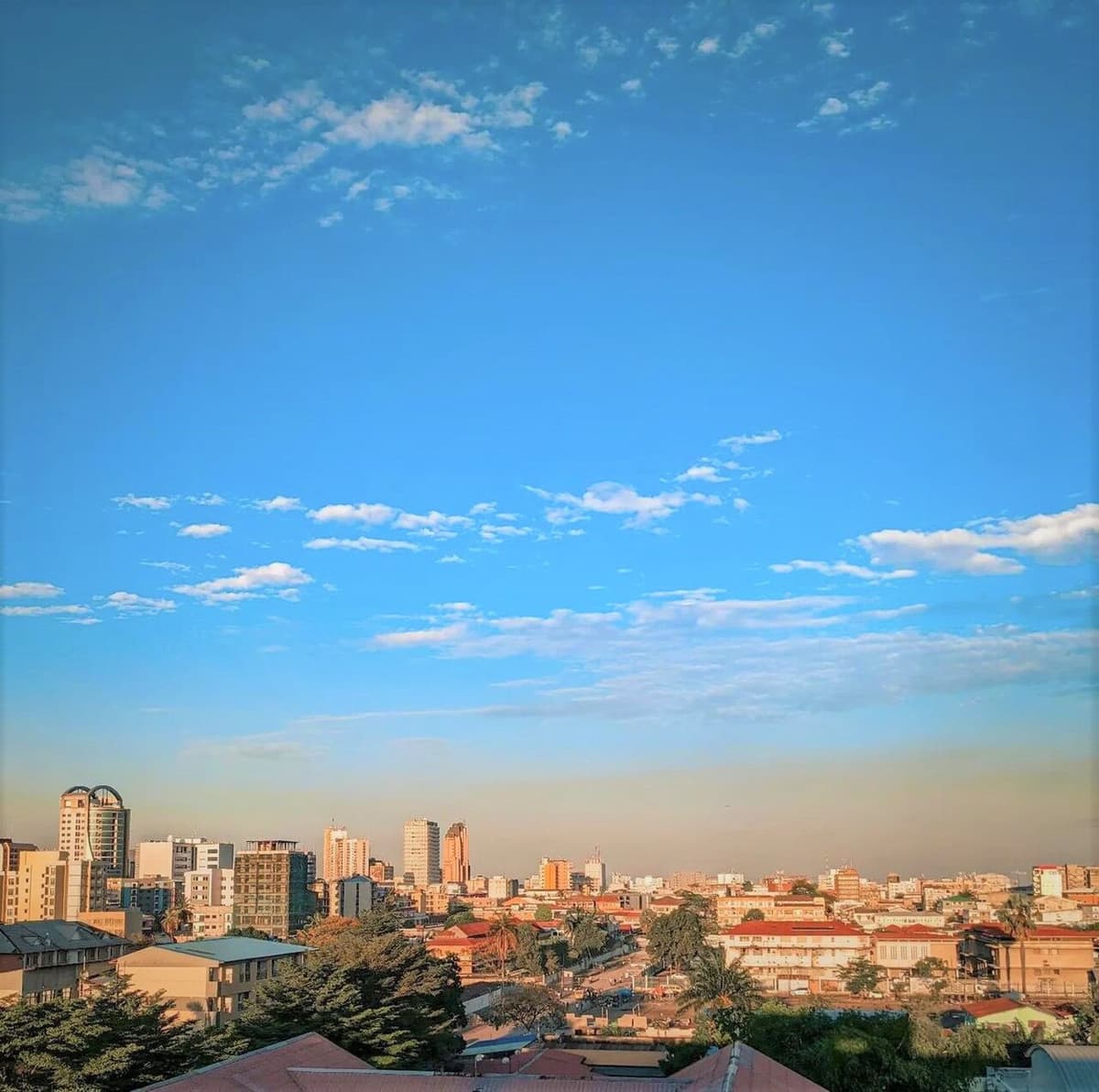
Kinshasa, le 31 août 2026 - La RDC et le Congo-Brazzaville ont agi pour contenir les tensions après un affrontement mortel du 28 août entre les troupes des FARDC et les forces du Congo-Brazzaville sur le fleuve Congo…
Par Amina Kabasele - 3 min de lecture
Sécurité - 31 août 2026
Des villages de Walikale vidés alors que les combats se propagent dans l'est de la RDC
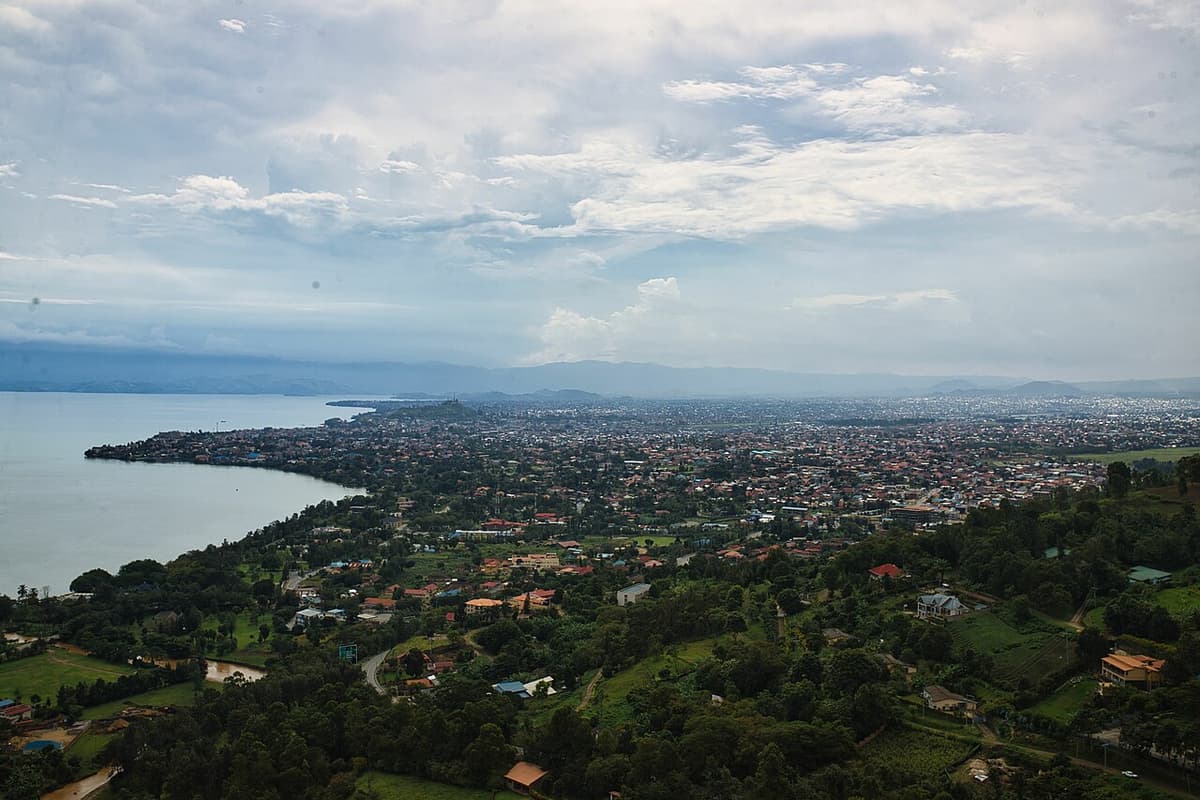
Goma, le 31 août 2026 - Plusieurs villages du groupement Waloa Loanda de Walikale ont été vidés alors que les combats entre l'armée et les forces AFC/M23 se sont étendus des zones voisines de Masisi et Kalehe…
Par Amina Kabasele - 3 min de lecture
Sécurité - 31 août 2026
Le gouvernement affirme que l'armée bloque l'expansion de l'AFC/M23 au Kivu
Kinshasa, le 31 août 2026 - Le gouvernement a déclaré que les FARDC faisaient systématiquement échouer les tentatives de l'AFC/M23 d'occuper de nouveaux territoires dans les Kivus, alors que les combats se poursuivaient…
Par Amina Kabasele - 3 min de lecture