
Culture - 8 février 2026
Une IA pour Diagnostiquer les Patients et Prescrire des Médicaments - Programme Pilote en Cours
Kigali, le 3 février 2026 - Le Rwanda teste une application de santé alimentée par l'IA, conçue pour aider les médecins à diagnostiquer les patients et à prendre rapidement des décisions concernant les prescriptions médicamenteuses. Le pilote fait partie d'un projet soutenu par le gouvernement, Horizon 1000, développé en collaboration avec la Bill Foundation et OpenAI.
Le projet, actuellement testé dans environ 50 hôpitaux au cours des deux dernières années, vise à accélérer les services médicaux et à améliorer les soins sans remplacer les médecins. Muhire Andrew, directeur des technologies de l'information au ministère de la Santé, a souligné que la technologie soutient les décisions cliniques mais ne remplace pas le jugement humain.
L'application écoute les patients décrire leurs symptômes, les enregistre et aide le personnel médical à déterminer le traitement approprié, y compris dans les cas urgents nécessitant des soins avancés. Elle est conçue pour fonctionner hors ligne, répondant ainsi aux défis des zones rurales avec un accès Internet limité.
Si le projet réussit, Horizon 1000 pourrait s'étendre à 1 000 hôpitaux à travers l'Afrique d'ici 2028. La technologie vise à répondre à la pénurie de main-d'œuvre dans le secteur de la santé au Rwanda, où actuellement un médecin sert 1 000 patients, contre la recommandation de l'OMS de quatre médecins pour 1 000 patients.
Des défis demeurent, notamment les barrières linguistiques, car le système fonctionne actuellement en anglais, tandis que 75 % des Rwandais parlent le kinyarwanda. Des solutions sont explorées pour garantir une compréhension précise des patients et un soutien efficace de l'IA.
Suite à l'approbation en 2023 par le Cabinet de la politique nationale quinquennale pour accélérer la technologie IA, un investissement estimé à 76,5 millions de dollars est prévu pour intégrer l'IA dans divers secteurs, stimulant le développement économique et l'innovation au Rwanda.
À lire aussi

Culture - 27 avril 2026
Coopération en matière de déplacement des réfugiés au Sahel
Bamako, le 13 avril 2026 - La 14ème session de la Commission tripartite entre le Mali, le Burkina Faso et le Haut Commissariat des Nations Unies pour les réfugiés (HCR) s'est ouverte lundi à l'hôtel Salam de Bamako…
Par Sarah Ndaya - 3 min de lecture
Culture - 27 avril 2026
Réforme de l'éducation au Mali
Bamako, le 20 avril 2026 - Les autorités éducatives du Mali ont défini un ambitieux programme de réformes plaçant l'éducation au cœur de la souveraineté nationale, lors d'un échange avec la cinquième promotion de…
Par Amina Kabasele - 3 min de lecture
Culture - 27 avril 2026
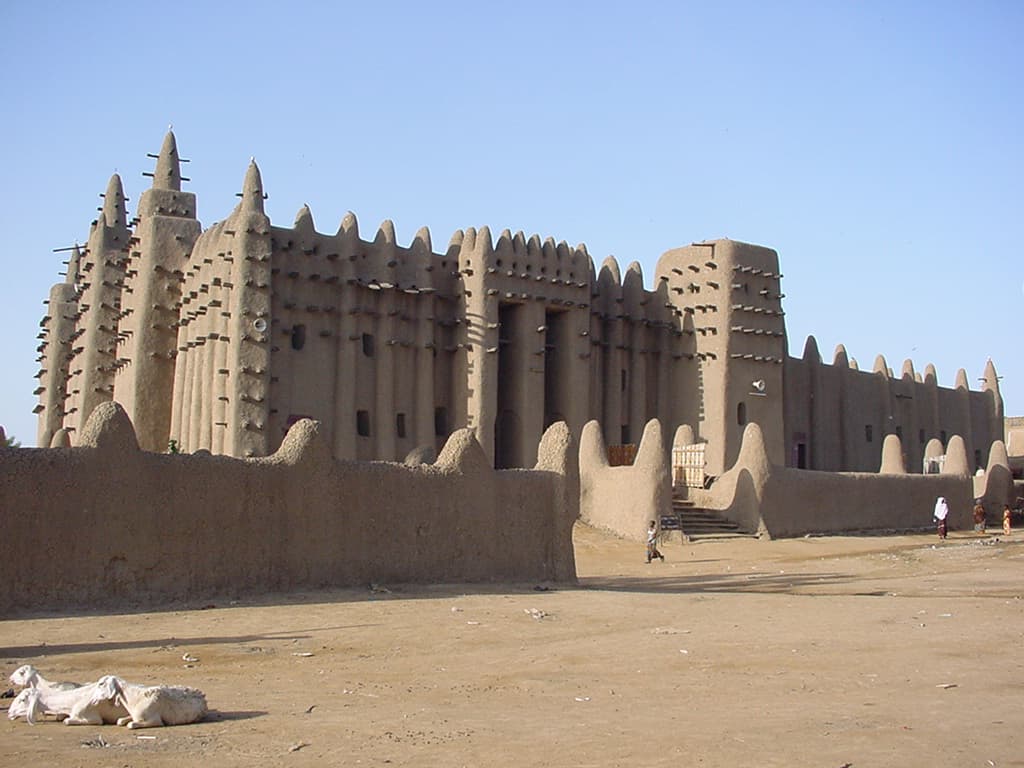
Patrimoine culturel et réconciliation au cœur de la 6e édition à venir
Bamako, le 14 avril 2026 - La promotion du patrimoine culturel et la réconciliation nationale ont été mises à l'honneur, mardi, alors que le ministre de l'Artisanat, de la Culture, de l'Hôtellerie et du Tourisme, Mamou…
Par Amina Kabasele - 3 min de lecture