
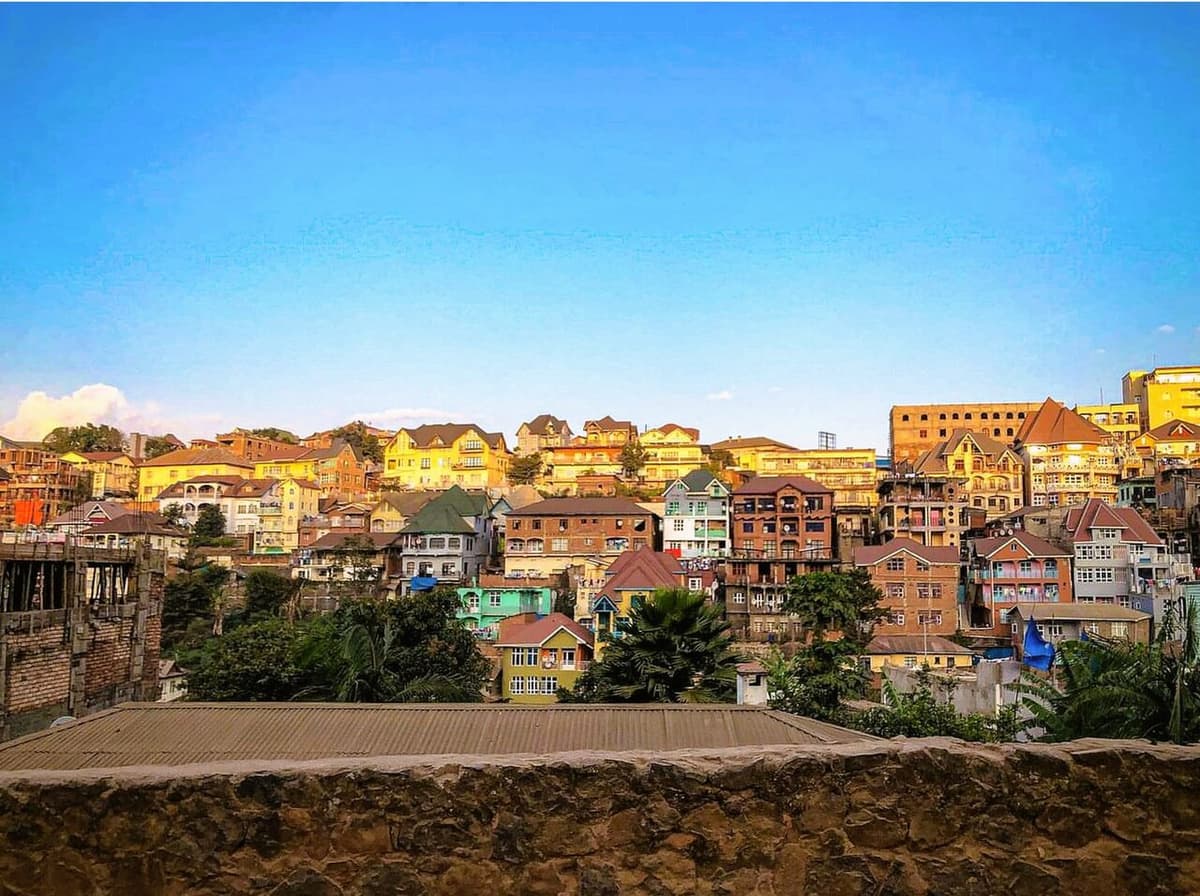
Sécurité - 23 février 2026
L'AFC/M23 dénonce la « fragmentation diplomatique » de Kinshasa malgré le cessez-le-feu angolais
Kinshasa, le 14 février 2026 - Suite à de nouveaux appels au cessez-le-feu, la rébellion AFC/M23 a réaffirmé son engagement à mettre en œuvre le mécanisme convenu dans le processus de paix de Doha. Dans une déclaration publiée le vendredi 13 février, le coordinateur politique Corneille Nangaa a souligné que cette position reflète un sens de responsabilité politique et un désir d'un règlement négocié, durable et inclusif du conflit.
« Cependant, l'AFC/M23 dénonce la stratégie de fragmentation diplomatique employée par le régime illégitime et corrompu de Kinshasa, caractérisée par la prolifération de cadres et d'initiatives parallèles en dehors d'un processus centralisé et consensuel. Une telle approche compromet les efforts de médiation, affaiblit la crédibilité et risque de retarder un règlement politique sérieux », a déclaré Nangaa.
Il a également accusé le gouvernement de Kinshasa de poursuivre des actes belliqueux, y compris des offensives contre des zones peuplées, l'utilisation de mercenaires et des bombardements indiscriminés, malgré son soutien public au cessez-le-feu. Nangaa a décrit l'acceptation par le gouvernement du principe de cessez-le-feu comme une manœuvre de relations publiques, visant à tromper l'opinion nationale et internationale tout en poursuivant une stratégie militariste.
Cette déclaration fait suite à une proposition de cessez-le-feu angolais, annoncée après une réunion à Luanda avec le président angolais João Lourenço, le président congolais Félix Tshisekedi, le président togolais Faure Gnassingbé (médiateur de l'UA) et l'ancien président nigérian Olusegun Obasanjo, représentant les facilitateurs désignés par l'UA pour le processus de paix en RDC.
L'élan diplomatique a été précédé d'une réunion de haut niveau à Lomé, au Togo, le 17 janvier 2026, visant à consolider le processus de paix en RDC et dans la région des Grands Lacs. Initiée par Faure Essozimna Gnassingbé, médiateur principal de l'UA pour l'est de la RDC, la réunion a renforcé la coordination avec les États-Unis et le Qatar pour encourager les parties à honorer leurs engagements.
Suite à Lomé, l'Union africaine a esquissé sa structure de médiation, sous l'autorité de Gnassingbé, soutenue par cinq co-facilitateurs ayant des responsabilités spécifiques et un secrétariat commun comprenant l'UA et des organisations régionales, chargé de diriger le processus de paix dans l'est de la RDC.
À lire aussi
Sécurité - 31 août 2026
RDC et Congo-Brazzaville s'efforcent de désamorcer le conflit frontalier sur le fleuve Congo
Kinshasa, le 31 août 2026 - La RDC et le Congo-Brazzaville ont agi pour contenir les tensions après un affrontement mortel du 28 août entre les troupes des FARDC et les forces du Congo-Brazzaville sur le fleuve Congo…
Par Amina Kabasele - 3 min de lecture
Sécurité - 31 août 2026
Des villages de Walikale vidés alors que les combats se propagent dans l'est de la RDC
Goma, le 31 août 2026 - Plusieurs villages du groupement Waloa Loanda de Walikale ont été vidés alors que les combats entre l'armée et les forces AFC/M23 se sont étendus des zones voisines de Masisi et Kalehe…
Par Amina Kabasele - 3 min de lecture
Sécurité - 31 août 2026
Le gouvernement affirme que l'armée bloque l'expansion de l'AFC/M23 au Kivu
Kinshasa, le 31 août 2026 - Le gouvernement a déclaré que les FARDC faisaient systématiquement échouer les tentatives de l'AFC/M23 d'occuper de nouveaux territoires dans les Kivus, alors que les combats se poursuivaient…
Par Amina Kabasele - 3 min de lecture