
Sécurité - 24 janvier 2026
L'AFC/M23 fait appel à l'ONU et place la ville d'Uvira sous la "responsabilité totale et complète"
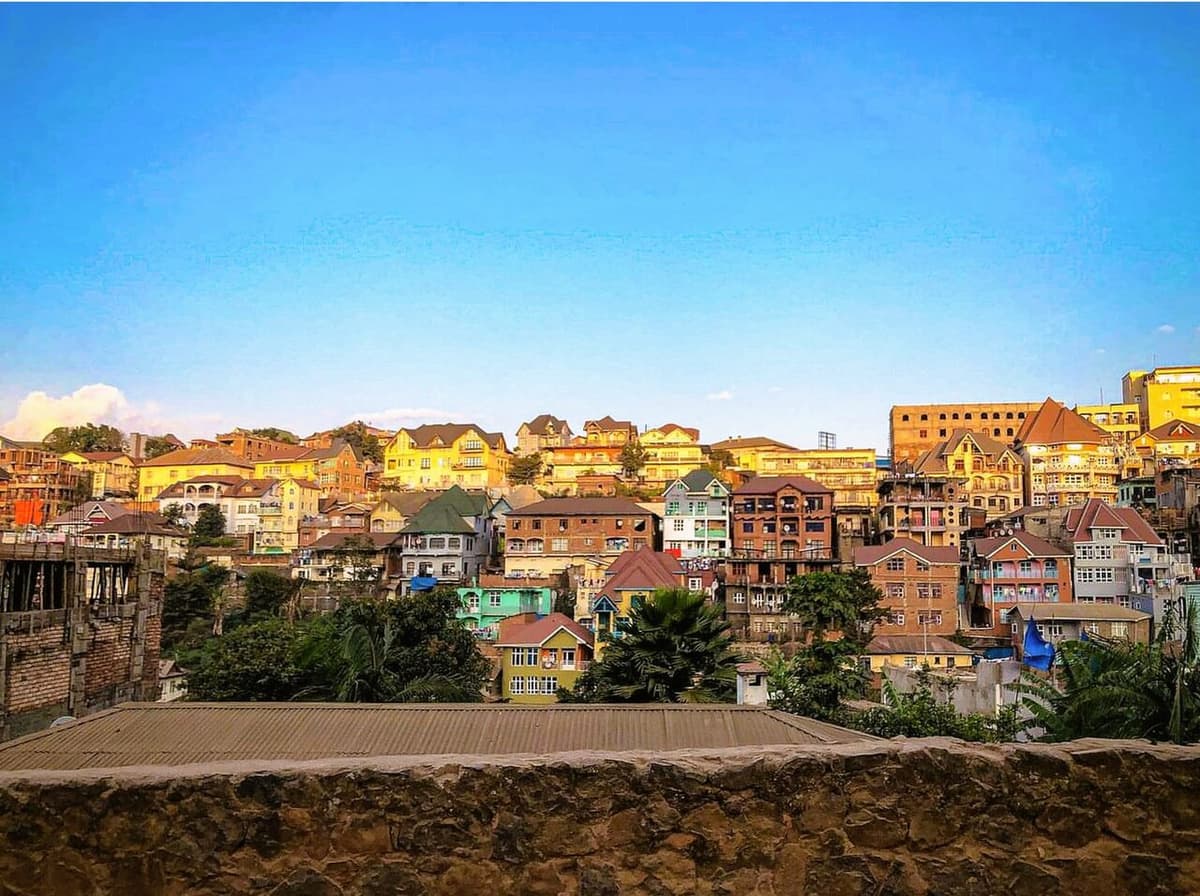
Uvira, le 16 janvier 2026 - La rébellion AFC/M23, qui contrôle de vastes zones du Nord-Kivu et du Sud-Kivu, a annoncé qu'elle avait placé la ville stratégique d'Uvira sous la responsabilité de la communauté internationale. Dans une lettre datée du jeudi 15 janvier 2026, au Secrétaire général de l'ONU, António Guterres, le coordinateur politique du groupe, Corneille Nangaa, a déclaré que cette décision fait suite à l'annonce de retrait des rebelles faite le 15 décembre 2025, récemment réaffirmée, et à leur engagement déclaré en faveur du cessez-le-feu.
Le mouvement soutenu par le Rwanda a déclaré qu'il retire immédiatement son "unité d'observation et de surveillance" et décline toute responsabilité en matière de sécurité dans la ville.
"Avec effet immédiat, notre organisation retire son unité d'observation et de surveillance, qui préparait le transfert de la ville à la force neutre, et décline toute responsabilité pour la sécurité de cette ville importante dans la province du Sud-Kivu. Il incombe désormais à la communauté internationale, dans le cadre de ses responsabilités et engagements, d'assurer la protection des populations civiles, le maintien de la paix et la sécurité de tous les habitants d'Uvira, sans discrimination", a écrit Corneille Nangaa.
Dans la même lettre, il a mis en garde contre les menaces posées par des acteurs non signataires des accords de paix, y compris l'armée burundaise, les FDLR, les milices Wazalendo et des mercenaires soutenant les FARDC, affirmant que leur présence pourrait plonger Uvira dans le chaos et compromettre les efforts de paix régionaux menés par l'Union africaine, le Qatar, les États-Unis et d'autres partenaires.
"Nous attirons solennellement l'attention de la communauté internationale sur le fait que l'armée burundaise, les FDLR, les soi-disant groupes armés Wazalendo et les mercenaires soutenant les FARDC représentent une menace claire pour la ville d'Uvira. Ces acteurs armés ne sont pas partie prenante d'engagements découlant d'un processus de paix. Par conséquent, leur présence et leurs activités représentent une menace directe et immédiate non seulement pour la population civile, mais aussi pour le processus de paix en cours et pour la stabilité régionale dans son ensemble", a-t-il déclaré.
Il a ajouté :
"Dans ce contexte préoccupant, il est essentiel que la communauté internationale assume pleinement ses responsabilités et assure le déploiement rapide d'une force véritablement neutre dans la ville d'Uvira, afin d'éviter qu'elle ne sombre à nouveau dans le chaos, la dévastation et la violence. Cette initiative démontre notre ferme engagement à protéger les civils, à consolider le cessez-le-feu et à créer les conditions d'une paix durable fondée sur le dialogue, le respect des engagements internationaux et les principes du droit international humanitaire."
Cette initiative intervient à un moment où, malgré l'implication du président américain Donald Trump et l'accélération apparente du processus de Washington, illustrée par la ratification d'accords par les présidents Félix Tshisekedi et Paul Kagame, la situation sur le terrain reste fragile. Kinshasa et Kigali continuent de peiner à aligner leurs positions, au milieu de tensions persistantes et d'accusations mutuelles de non-respect des engagements pris dans le cadre des initiatives diplomatiques en cours.
Les mêmes défis affectent les pourparlers de Doha, menés sous l'égide de l'Émir du Qatar entre Kinshasa et l'AFC/M23 soutenue par le Rwanda, qui n'ont pas encore donné de résultats tangibles sur le terrain. Ces négociations, destinées à compléter les accords de Washington en abordant les causes profondes telles que la restauration de l'autorité de l'État et la réintégration des groupes armés, restent bloquées. Plusieurs mesures convenues - y compris le communiqué conjoint, le mécanisme de cessez-le-feu, la déclaration de principes et l'accord-cadre - n'ont pas encore été mises en œuvre.
Cette inertie diplomatique a alimenté la poursuite des affrontements violents entre l'AFC/M23 et les forces gouvernementales. De plus, le dialogue national appelé par plusieurs acteurs sociopolitiques pour soutenir ces initiatives n'a pas encore été convoqué.
Après avoir annoncé son retrait de la médiation en mars 2025, l'Angola réintègre progressivement et discrètement le processus. Luanda a relancé de larges consultations, augmentant les contacts avec presque tous les acteurs concernés. Pendant ce temps, le Togo prévoit d'accueillir une réunion de haut niveau le samedi 17 janvier 2026, visant à renforcer la cohérence et la consolidation des initiatives de paix en RDC et dans la région des Grands Lacs.
C'est dans ce contexte que João Lourenço, président de l'Angola et actuel président de l'Union africaine, a reçu des représentants de la Conférence épiscopale nationale du Congo (CENCO) et de l'Église du Christ au Congo (ECC) à Luanda. Les discussions ont porté sur la nécessité d'établir un dialogue national inclusif, rassemblant tous les acteurs congolais pour parvenir à une paix durable en République démocratique du Congo. Les participants ont convenu que ce processus devait être lancé sans délai.
Ces consultations font partie d'efforts diplomatiques plus larges pour mettre fin au conflit armé dans l'est de la RDC, marqué par des combats continus entre les forces gouvernementales et l'AFC/M23 soutenue par le Rwanda, selon les Nations Unies.
À lire aussi
Sécurité - 31 août 2026
RDC et Congo-Brazzaville s'efforcent de désamorcer le conflit frontalier sur le fleuve Congo
Kinshasa, le 31 août 2026 - La RDC et le Congo-Brazzaville ont agi pour contenir les tensions après un affrontement mortel du 28 août entre les troupes des FARDC et les forces du Congo-Brazzaville sur le fleuve Congo…
Par Amina Kabasele - 3 min de lecture
Sécurité - 31 août 2026
Des villages de Walikale vidés alors que les combats se propagent dans l'est de la RDC
Goma, le 31 août 2026 - Plusieurs villages du groupement Waloa Loanda de Walikale ont été vidés alors que les combats entre l'armée et les forces AFC/M23 se sont étendus des zones voisines de Masisi et Kalehe…
Par Amina Kabasele - 3 min de lecture
Sécurité - 31 août 2026
Le gouvernement affirme que l'armée bloque l'expansion de l'AFC/M23 au Kivu
Kinshasa, le 31 août 2026 - Le gouvernement a déclaré que les FARDC faisaient systématiquement échouer les tentatives de l'AFC/M23 d'occuper de nouveaux territoires dans les Kivus, alors que les combats se poursuivaient…
Par Amina Kabasele - 3 min de lecture