
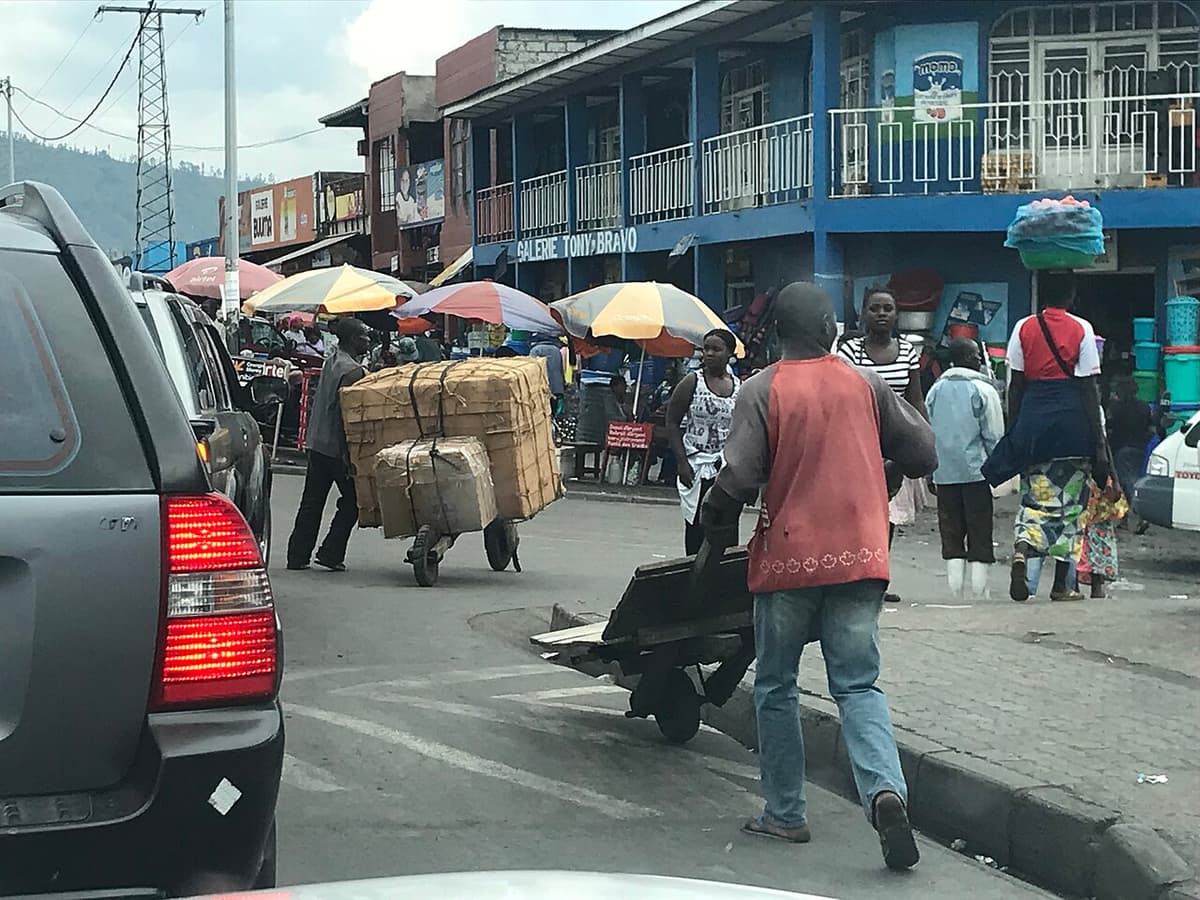
Sécurité - 8 mars 2026
15 à 30 % de la production mondiale de coltan sous contrôle du M23
Kinshasa, le 8 mars 2026 - Lors du débat du Conseil de sécurité de l'ONU sur l'énergie et les minéraux critiques, la France a souligné le rôle des ressources naturelles dans l'alimentation des conflits et de l'instabilité. L’est de la RDC, largement contrôlé par la rébellion AFC/M23 soutenue par le Rwanda, produit entre 15 et 30 % du coltan mondial, qui est exploité pour financer des activités armées et étendre le contrôle territorial.
Cet accaparement des ressources perpétue la violence, prolonge les conflits et aggrave les souffrances des populations civiles. La France a condamné le modèle d'exploitation prédatrice, soulignant que de telles pratiques entravent le développement économique et social en privant les États des ressources de leur propre territoire. Des comparaisons ont également été faites avec l’Ukraine, où les attaques contre les infrastructures énergétiques sont utilisées comme arme de coercition.
La séance s'est déroulée dans un contexte d'agression rwandaise en cours dans l'est de la RDC, les forces de l'AFC/M23 occupant de grandes parties du Nord et du Sud-Kivu. Le gouvernement congolais considère ces attaques comme des guerres économiques visant le pillage et l'exploitation illicite des minerais, tandis que Kigali rejette ces affirmations, invoquant les menaces des FDLR et refusant tout soutien militaire au M23.
Les efforts visant à résoudre les tensions comprennent le processus de Washington, portant sur les relations Kinshasa-Kigali, et le processus de Doha, axé sur la crise AFC/M23. Malgré ces initiatives, les hostilités persistent, mettant en danger les populations civiles et aggravant les conditions humanitaires, d'autant plus que l'aide internationale diminue.
À lire aussi
Sécurité - 31 août 2026
RDC et Congo-Brazzaville s'efforcent de désamorcer le conflit frontalier sur le fleuve Congo
Kinshasa, le 31 août 2026 - La RDC et le Congo-Brazzaville ont agi pour contenir les tensions après un affrontement mortel du 28 août entre les troupes des FARDC et les forces du Congo-Brazzaville sur le fleuve Congo…
Par Amina Kabasele - 3 min de lecture
Sécurité - 31 août 2026
Des villages de Walikale vidés alors que les combats se propagent dans l'est de la RDC
Goma, le 31 août 2026 - Plusieurs villages du groupement Waloa Loanda de Walikale ont été vidés alors que les combats entre l'armée et les forces AFC/M23 se sont étendus des zones voisines de Masisi et Kalehe…
Par Amina Kabasele - 3 min de lecture
Sécurité - 31 août 2026
Le gouvernement affirme que l'armée bloque l'expansion de l'AFC/M23 au Kivu
Kinshasa, le 31 août 2026 - Le gouvernement a déclaré que les FARDC faisaient systématiquement échouer les tentatives de l'AFC/M23 d'occuper de nouveaux territoires dans les Kivus, alors que les combats se poursuivaient…
Par Amina Kabasele - 3 min de lecture