
Africa - 26 October 2025
Huye: Over 300 Bodies Believed to Be Victims of 1994 Genocide Found in Four Months
Kigali, October 26, 2025 - Huye District authorities and the Ibuka Community have announced the discovery of more than 300 bodies in Matyazo Cell, Ngoma Sector, believed to be victims of the 1994 Genocide against the Tutsi. The findings, reported between June and October 2025, were made in the villages of Kamucuzi, Rurenda, and Kamatyazo, with some remains uncovered in fields and others buried under structures.
“Most of the people living in Matyazo are immigrants. Those who lived there before the genocide either fled or were killed. Many of the current residents bought land later, and it is often from their backyards that bodies are being discovered,” said Siboyintore Théodate, President of Ibuka in Huye District.
The discoveries include 46 bodies found in August at the farm of Munyempamo Faustin, nicknamed Gérard, 92 bodies in early September at the Gasarasi farm, and more than 180 bodies in October alone. These sites are near locations where over 2,000 bodies were found in 2023 and another 1,200 before April 2025.
Siboyintore explained that many of the victims came from other regions, including Nyaruguru, Karama, and Gikongoro, and were killed in areas along the many roads and checkpoints in Matyazo during the genocide.
“The truth about these mass graves came from testimonies of survivors and witnesses who provided detailed accounts during the 31st Kwibuka commemoration at ADEPR Matyazo. Their accounts guided us to the locations where bodies were buried,” he added.
Ibuka and local authorities continue to urge residents with information on undiscovered burial sites to come forward to ensure that the victims are laid to rest with dignity.
Over the past two years, more than 3,500 bodies have been recovered in Ngoma and Matyazo cells-over 2,000 in 2024, more than 1,200 in May 2025, and now over 300 in the recent months, with the number still rising.
The ongoing discoveries highlight the continued efforts to document and honor the victims of the 1994 Genocide, even decades later, and underscore the importance of community cooperation in locating burial sites.
Related reading
Africa - 29 June 2026
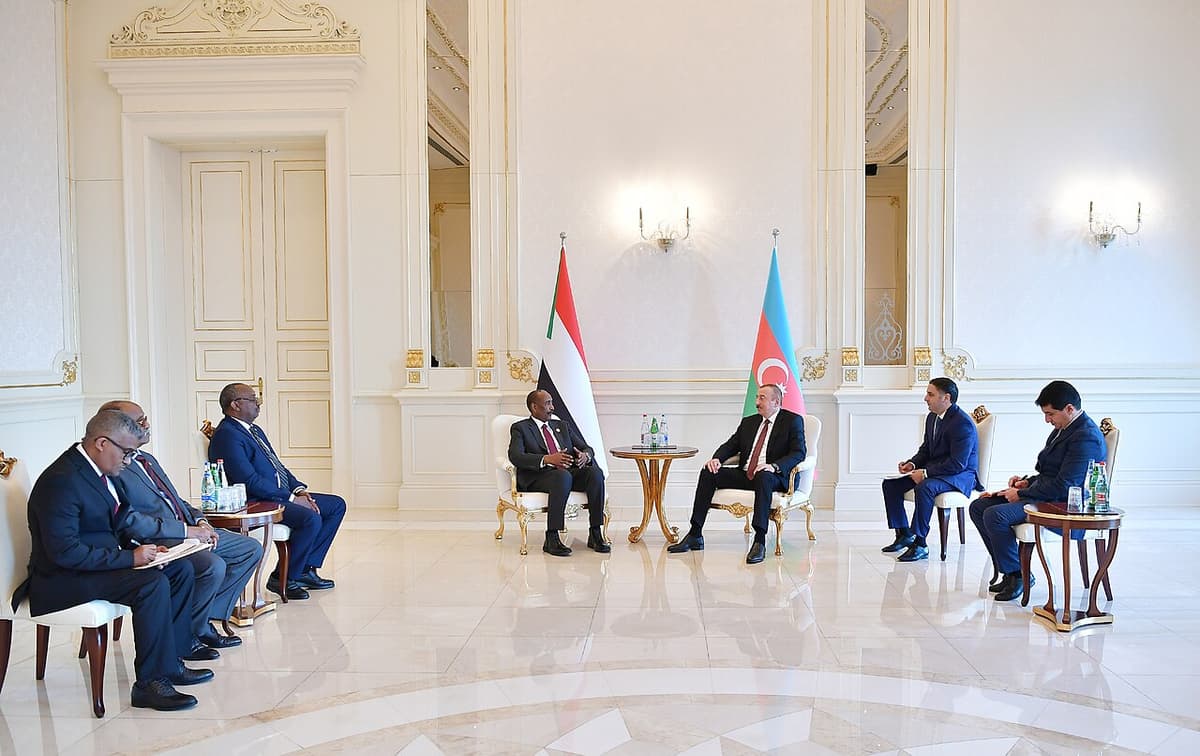
EU Delegation Visits Sudan in First High-Level Mission Since War Began
Port Sudan, June 18, 2026 - A high-level European Union delegation has concluded its first official visit to Sudan since the outbreak of the conflict in April 2023, signaling renewed diplomatic engagement as…
By Sarah Ndaya - 3 min read

Africa - 28 June 2026
Washington Peace Agreement Records Limited Progress After One Year
Kinshasa, June 27, 2026 - One year after the signing of the Washington Peace Agreement between the Democratic Republic of the Congo and Rwanda, implementation has remained limited, with the two countries completing less…
By Sarah Ndaya - 3 min read
Africa - 28 June 2026
Rwanda Shares Post-Genocide Development Lessons at Lesotho Leadership Forum
Kigali, Rwanda, June 22, 2026 - Prime Minister Dr. Justin Nsengiyumva has shared Rwanda's experience in rebuilding the country after the 1994 Genocide against the Tutsi, highlighting long-term planning, good governance…
By Sarah Ndaya - 3 min read